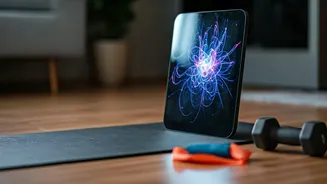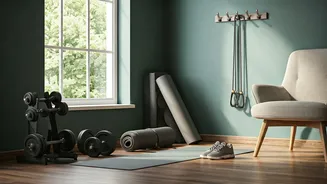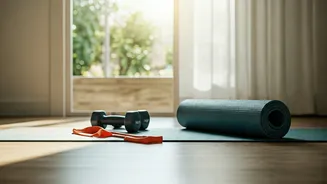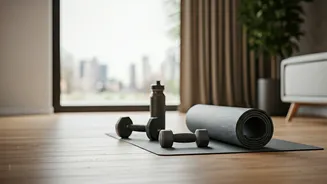





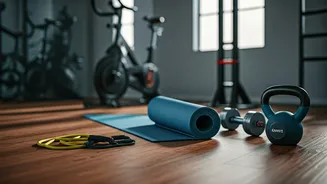


The Living Room Becomes the Gym
When India went into lockdown in early 2020, the fitness industry faced an existential crisis. Commercial gyms, dance studios, and yoga centres were shuttered overnight. For a population suddenly confined to their homes, with health and immunity becoming
top-of-mind concerns, the need for physical activity became more urgent than ever. This created a perfect storm for the home fitness market. What was once a niche segment for dedicated enthusiasts quickly became a mainstream necessity. The shift wasn't just about staying in shape; it was about maintaining a sense of routine, managing mental health, and reclaiming a degree of control during a period of intense uncertainty. This demand shock sent ripples through the market, transforming spare bedrooms, balconies, and living room corners into personal workout zones.
From Yoga Mats to Smart Treadmills
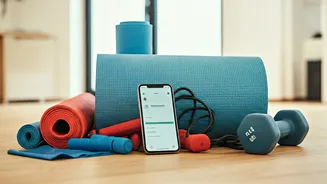
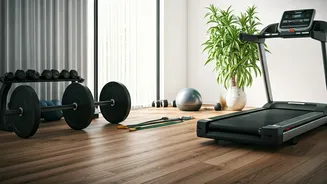
The initial surge in demand was for basic, affordable equipment. Retailers reported that yoga mats, resistance bands, dumbbells, and kettlebells flew off virtual shelves. As the pandemic wore on, and the prospect of returning to gyms remained distant, consumer behaviour evolved. People began investing in more substantial, long-term solutions. According to industry reports, sales for treadmills, stationary bikes, and cross-trainers saw unprecedented growth. E-commerce platforms like Amazon and Flipkart reported sales increases of over 100% in these categories. Brands like Decathlon and Cult.fit (which expanded its equipment offerings) struggled to keep up with demand, highlighting a significant shift in consumer spending priorities. This wasn't just panic buying; it was a calculated investment in a new, home-centric wellness lifestyle.
E-commerce and Digital Fitness Fuel the Boom
This home gym revolution would not have been possible without two critical enablers: e-commerce and digital fitness platforms. With physical stores closed, online marketplaces became the primary channel for purchasing equipment. They offered a vast selection, competitive pricing, and the convenience of home delivery, which was essential during lockdowns. Simultaneously, the digital fitness ecosystem exploded. Fitness apps, YouTube workout channels, and live-streamed classes from personal trainers provided the guidance and motivation that people were missing from their gym experiences. Companies like Cult.fit successfully pivoted, offering a powerful combination of online classes and their own branded equipment, creating a closed-loop ecosystem that kept users engaged and loyal within their homes.
Is This a Lasting Shift?
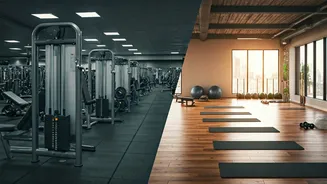
With life largely returning to pre-pandemic rhythms, the big question is whether the home gym trend is here to stay. The data suggests that it's not an either/or situation. While gym memberships have rebounded, many people have embraced a 'hybrid' model. They value the convenience and privacy of a home workout for daily cardio or quick sessions, while still visiting a commercial gym for specialized equipment, community interaction, or professional guidance. The investment in home equipment has created a lasting infrastructure in people's lives. Having a treadmill in the bedroom makes it harder to skip a workout on a rainy day. This hybrid approach offers the best of both worlds, and it appears to be the new normal for a significant portion of the fitness-conscious population.
The Ripple Effect on the Fitness Industry
The skyrocketing sales of home equipment have permanently reshaped the Indian fitness landscape. Traditional gyms have had to adapt, with many now offering their own digital platforms or hybrid membership plans. The market has become more fragmented and personalized. There's been a boom in freelance online coaches who have built entire careers on platforms like Instagram and YouTube, reaching clients across the country. Equipment manufacturers, both domestic and international, now see India as a primary growth market. The trend has democratized fitness to an extent, making it more accessible to those who were previously intimidated by gym culture or constrained by time and location. The home gym is no longer just a collection of equipment; it's a symbol of a fundamental shift in how India approaches health and wellness.