



The Hazards of the Highway
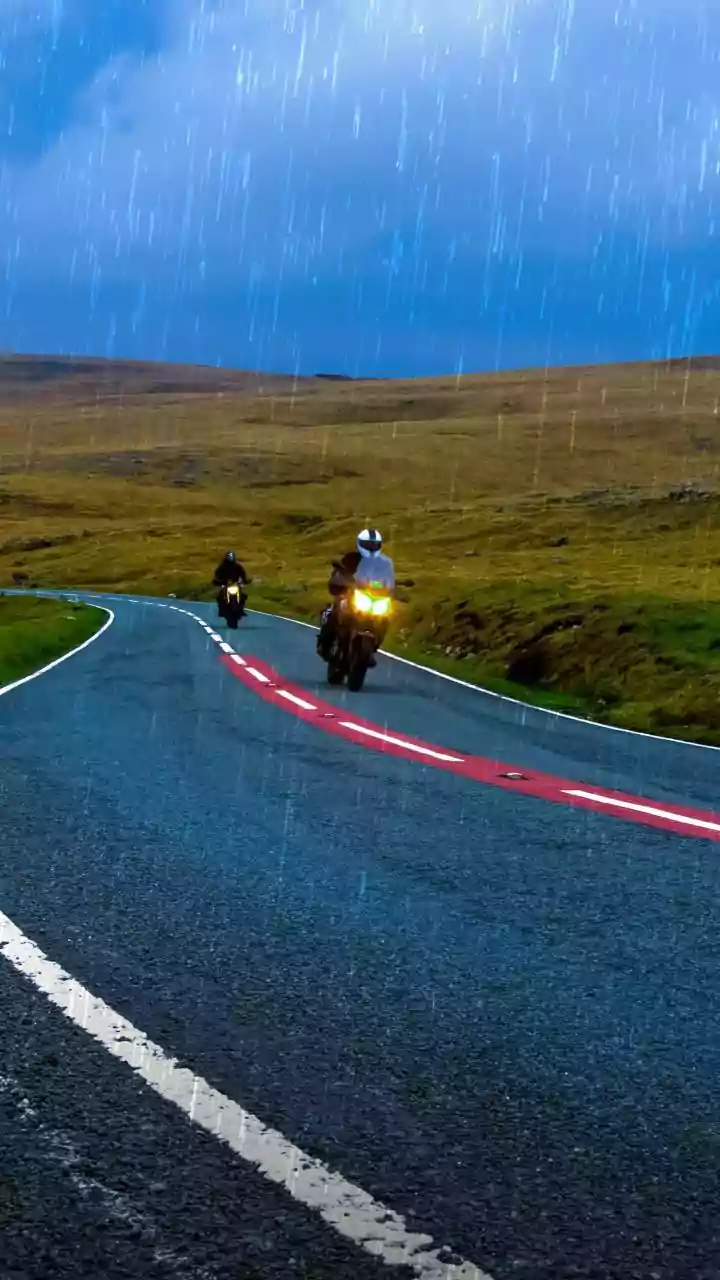
First, there’s the undeniable issue of safety. Monsoon rains transform Indian highways into unpredictable obstacle courses. Roads become slippery, visibility drops significantly, and hidden potholes or waterlogged streets can turn a scenic drive into a stressful
ordeal. The risk of accidents, landslides in hilly areas, and unexpected traffic delays is substantially higher during this season. For many young people, the stress of navigating these challenges—checking tyres, worrying about breakdowns, and the intense focus required for wet-road driving—is starting to outweigh the perceived freedom of a car trip. A journey that’s meant to be a relaxing escape can quickly become a high-stakes, exhausting task.
The Allure of the Window Seat
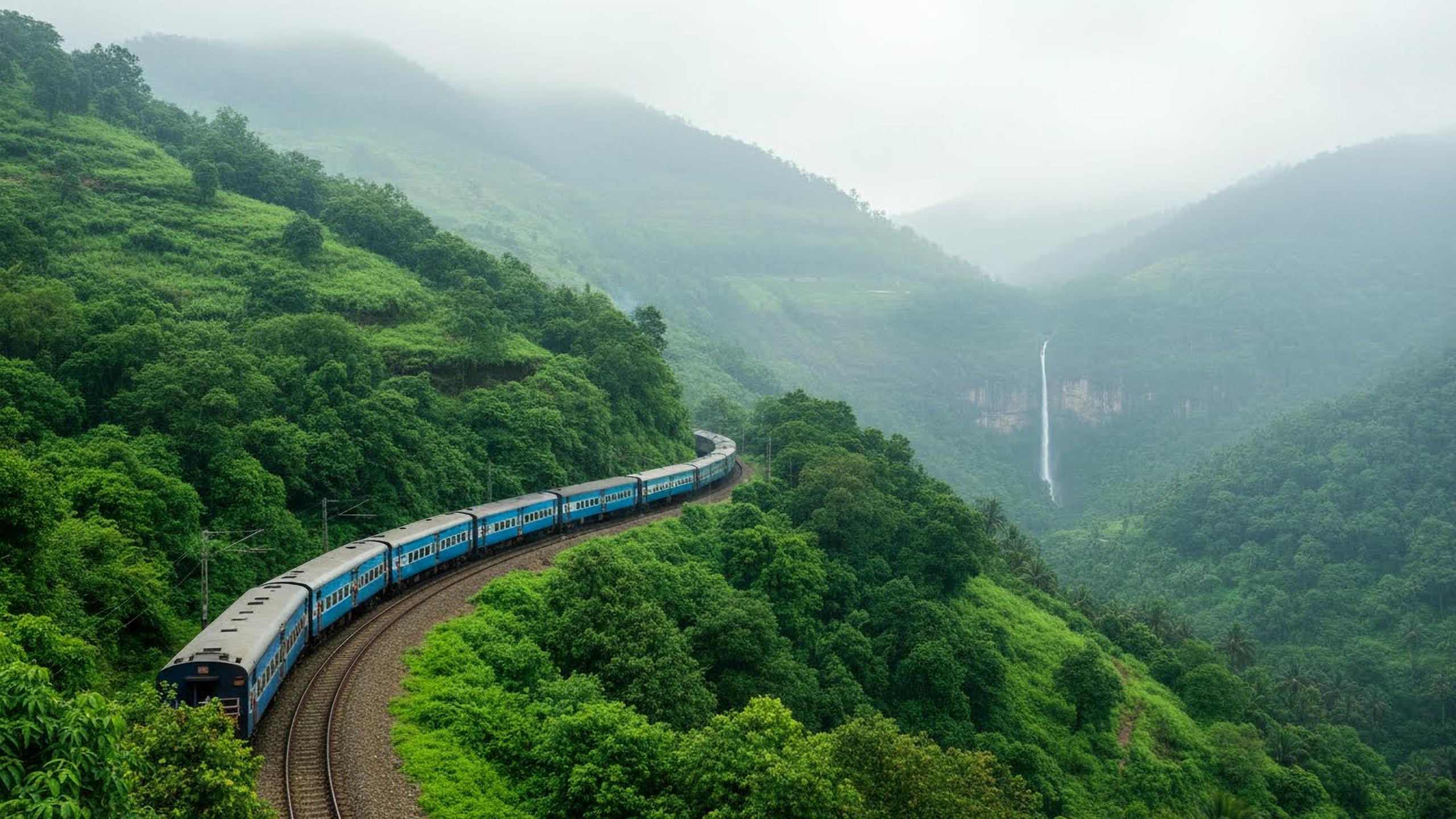
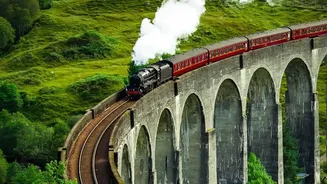
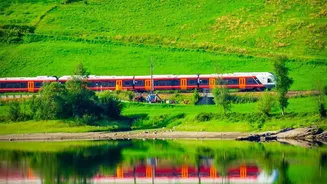
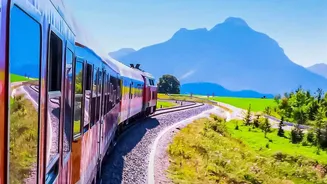
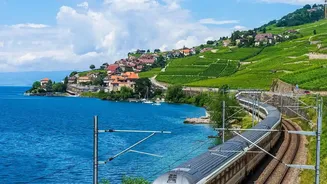
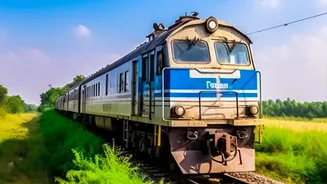
In contrast, train travel offers a profoundly more relaxing and immersive experience, especially during the monsoon. It’s about the journey itself: watching the rain-washed countryside roll by, seeing waterfalls spring to life, and passing through lush green landscapes that are often inaccessible by road. This slow, therapeutic pace allows travellers to unwind, read a book, or simply enjoy the view with a hot cup of tea, turning travel time into part of the vacation itself. The experience is less about the destination and more about witnessing the seasonal revival of nature from a comfortable, moving vantage point.
The Vistadome Effect: Made for the 'Gram
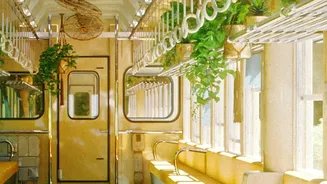
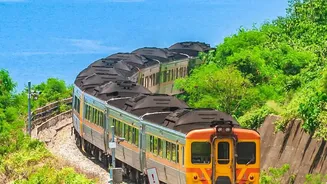
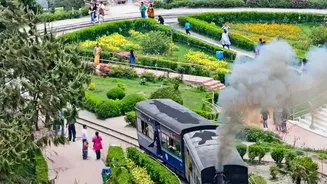
Indian Railways has tapped directly into the desires of a visually-driven generation with the introduction of Vistadome coaches on several scenic routes. These coaches feature panoramic glass windows, rotating seats, and even glass roofs, offering an unparalleled, cinematic view of the surroundings. Routes like the Mumbai-Goa line, the Kalka-Shimla railway, and the journey through the Araku Valley become incredibly picturesque, transforming the trip into a highly shareable, 'Instagrammable' event. The popularity and high occupancy rates of these coaches show that young travellers are willing to plan their trips around securing a seat that guarantees breathtaking, social-media-ready visuals.
Budget, Comfort, and Reliability
Practicality remains a huge factor. Train journeys are generally more budget-friendly than road trips, which involve fluctuating fuel costs, tolls, and potential maintenance issues. Trains also offer a different level of comfort, with ample leg space, the ability to walk around, and access to onboard facilities. During the monsoon, when flights are often cancelled and roads can be blocked, trains are frequently the most reliable mode of transport. For groups of friends, the communal experience of sharing a compartment, chatting, and enjoying meals together adds a social dimension that a car journey can't quite match.
A Shift Towards Slow Travel
Ultimately, this trend reflects a broader shift in travel philosophy among younger generations. The frantic rush to a destination is giving way to an appreciation for 'slow travel'—journeys that are more mindful, sustainable, and experiential. Choosing a train over a car is a conscious decision to slow down and connect more deeply with the journey. It’s a move away from the unpredictability and stress of monsoon driving towards an experience that promises comfort, reliability, and the simple, profound joy of watching the world go by. This change is less about the mode of transport and more about a new set of priorities for what a vacation should feel like.