

From Kitchen Scrap to Liquid Gold
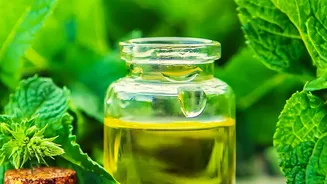
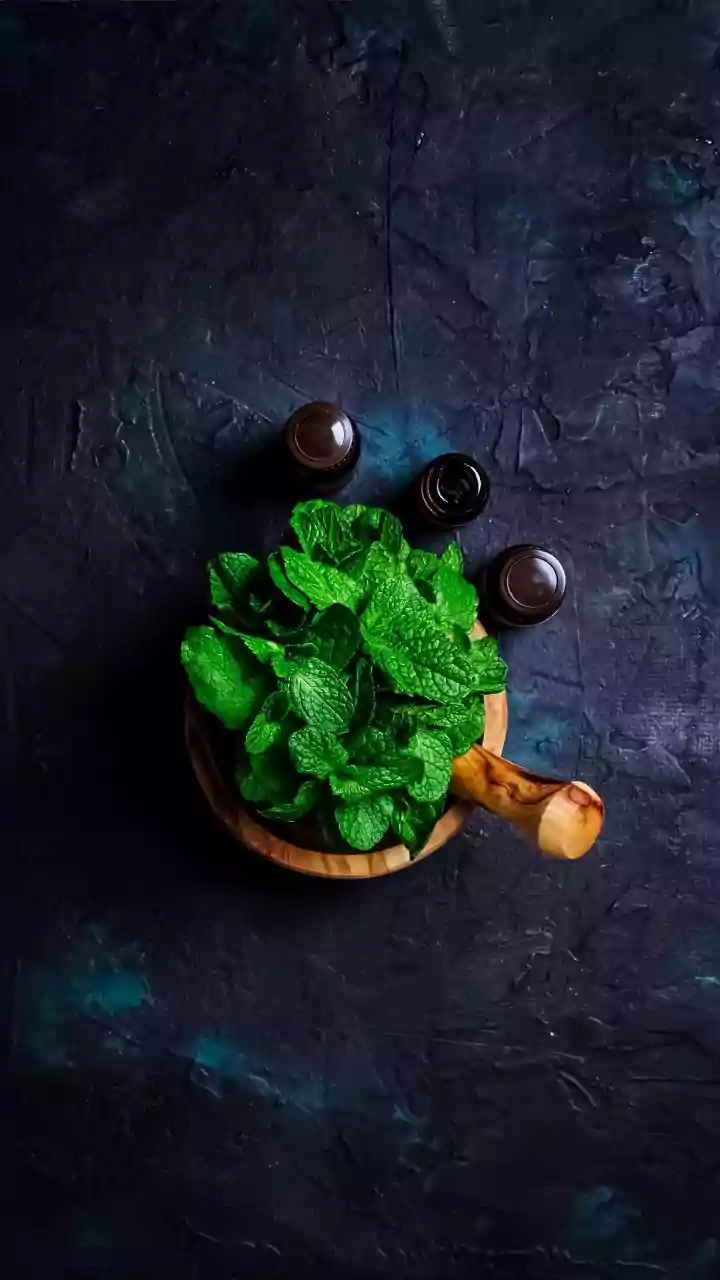
It’s a common habit to discard the stems of herbs like coriander (dhania) and mint (pudina), assuming all the flavour is in the leaves. However, these stems are packed with a potent, concentrated version of the herb's signature aroma and taste. By infusing
them in oil, you not only embrace a zero-waste philosophy but also create a versatile, custom-made ingredient that can elevate everyday meals. This process is surprisingly simple and transforms what was once destined for the compost bin into a flavourful finishing oil, marinade base, or salad dressing component. It’s a small step that makes your kitchen more sustainable and your food more delicious.
The Simple Method for Infusing Oil
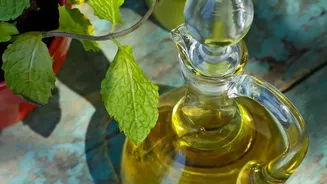
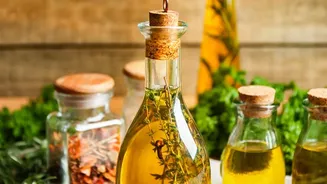
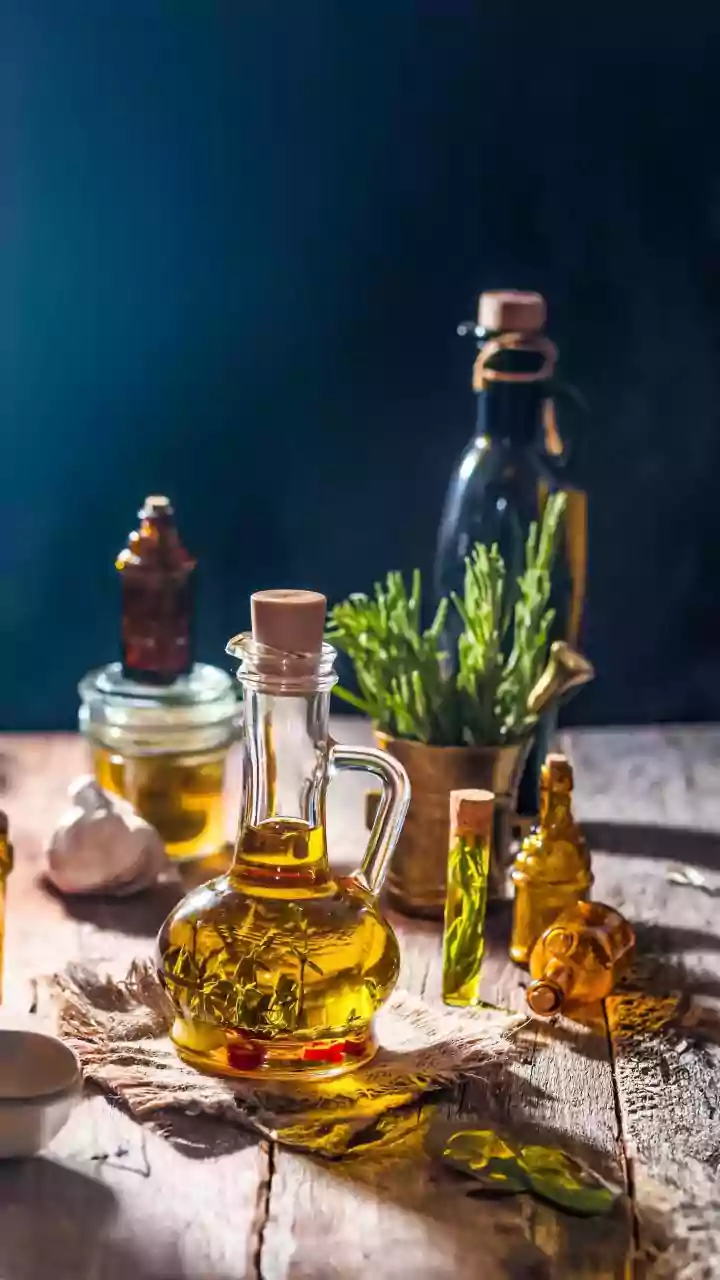
Creating your herb-stem oil requires just a few basic items: your leftover mint and coriander stems, a neutral-flavoured oil (like sunflower or a light olive oil), a saucepan, and a clean, sterilized glass jar for storage. The most crucial first step is to wash and thoroughly dry your herb stems. Any moisture introduced into the oil can reduce its shelf life. One effective method is to let the clean stems air-dry or pat them meticulously with a towel. Once dry, gently heat about one cup of oil in a saucepan over low heat. You are not trying to fry the herbs, just warm the oil enough to encourage the release of their aromatic compounds. Add a generous handful of the dried stems to the warm oil, turn off the heat, and let it steep for at least an hour. The longer it sits, the more intense the flavour will become. Finally, strain the oil through a fine-mesh sieve or cheesecloth into your sterilized jar, ensuring all plant material is removed.
A Critical Note on Safety and Storage
When infusing oil with fresh ingredients like herb stems, food safety is paramount. The main concern is Clostridium botulinum, a bacterium that thrives in low-acid, oxygen-free environments like oil and can cause botulism. Since fresh herbs contain water, they create conditions where this bacterium can grow if the oil is stored at room temperature. To avoid this risk, there are two safe approaches. The first and simplest is to treat the infused oil as a short-lived product: store it in the refrigerator and use it within four days. For longer-term storage, the herbs must be completely free of moisture before they are added to the oil. This can be achieved by thoroughly drying fresh stems in a dehydrator or on a very low oven setting until they are crisp. Infused oils made with fully dried herbs are much safer and can be stored in a cool, dark place for several weeks or even months.
How to Use Your Homemade Herb Oil
Now for the fun part: using your creation. The bright, peppery notes of coriander stem oil are perfect for drizzling over dal, roasted vegetables, or grilled paneer. It can be whisked into yogurt to create a quick, flavourful dip for kebabs or pakoras. A splash can liven up a simple soup or be used as the base for a zesty salad dressing. Mint stem oil, with its cool and refreshing character, works beautifully in raitas, marinades for lamb, or even drizzled over fruit salads. Imagine adding a few drops to your lemonade for a surprising twist. These oils are best used as a finishing touch rather than for high-heat cooking, which can diminish their delicate aromas. Think of them not as a cooking medium, but as a final flourish of flavour that brightens and elevates a dish just before serving.