




Start with a Packing Strategy, Not Just a List
The secret to carry-on-only travel begins before you even pull out your suitcase. It’s about a mindset shift from packing “just in case” items to packing with intention. For a four-day trip, you don’t need endless options; you need versatile ones. Start
by planning your outfits. Think about the activities on your itinerary—a casual day of sightseeing, a nice dinner, a business meeting—and select pieces that can be mixed and matched. A good rule of thumb is to choose a neutral colour palette (like black, navy, or beige) for your main items and add pops of colour with smaller accessories. This ensures nearly every top works with every bottom, maximising your outfit combinations without overpacking.
Build a Four-Day Capsule Wardrobe
A capsule wardrobe is a small collection of essential items that don't go out of fashion and can be augmented with seasonal pieces. For a four-day trip, this concept is your best friend. A simple formula to follow could be something like the 5-4-3-2-1 rule: five sets of socks and underwear, four tops, three bottoms, two pairs of shoes, and one accessory like a hat or jacket. Your four tops could include two casual t-shirts, one versatile blouse, and one sweater. For bottoms, consider one pair of jeans, one pair of trousers or a skirt, and perhaps a pair of comfortable shorts or leggings depending on your destination. The key is that each piece should be wearable in at least two different combinations.
Choose the Right Bag and Packing Aids
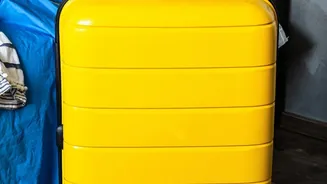
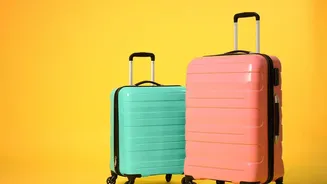
Your success starts with the right luggage. Opt for the lightest possible carry-on suitcase to maximize how much you can pack, especially on airlines with strict weight limits. But the real game-changer is how you organize the space inside. Packing cubes are essential. Standard cubes help compartmentalize your items—tops in one, bottoms in another—making it easy to find what you need without destroying your perfectly packed bag. For bulkier items like sweaters or jackets, compression packing cubes are invaluable, as they press out excess air to significantly reduce volume. This organisation prevents your bag from becoming a chaotic mess and allows you to use every square inch efficiently.
Master Rolling and Folding Techniques
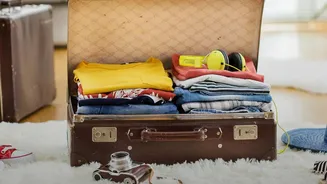
The age-old debate of rolling versus folding has a simple answer: use both. For most clothing items like t-shirts, jeans, and knitwear, rolling them tightly is the superior method. It not only saves a significant amount of space but also helps minimise wrinkles. For more structured items like blazers or dress shirts that are prone to creasing, a careful fold is better. You can lay these folded items flat on top of your rolled clothes or packing cubes. This hybrid approach ensures your clothes arrive in the best possible condition while taking up the least amount of space.
Simplify Your Toiletries
Liquids are often the biggest carry-on challenge. Remember the 3-1-1 rule: all liquids, gels, and aerosols must be in containers of 3.4 ounces (100 ml) or less, and all containers must fit into a single, clear, quart-sized zip-top bag. To avoid this hassle, switch to solid toiletries wherever possible. Solid shampoo bars, conditioner bars, toothpaste tablets, and bar soap can save you nearly all your liquid space. For the liquids you must bring, decant them into travel-sized reusable bottles. Don't bring full-sized products; you only need enough for four days.
Wear Your Heaviest Items on the Plane
This is one of the oldest and most effective packing hacks. If you're bringing a bulky sweater, a jacket, or a pair of boots, wear them on the plane. These items take up a disproportionate amount of space and weight in a carry-on. Wearing them frees up that valuable real estate for other necessities. You can always take a jacket or sweater off once you're on board and use it as a pillow or blanket. The same goes for your shoes; wear the heaviest pair and pack the lighter ones, like sandals or flats.