






A New Climate Reality
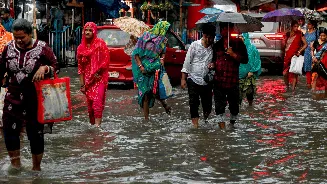
The familiar rhythm of waiting for cooling monsoon rains is being dangerously disrupted. India is now grappling with longer, more frequent, and more intense heatwaves that often precede or even interrupt the monsoon season. [12, 24] This creates a perilous
“dual threat” where communities face swings between extreme rainfall and oppressive, humid heat. [28] Experts warn that this humid heat can be a “silent killer,” as high moisture in the air prevents the body from cooling itself effectively through sweat, making it dangerous even at temperatures that seem manageable. [28] This isn't just a stretch of uncomfortable days; it’s a systemic climate, health, and economic challenge that demands a new approach to seasonal safety. [12, 20]
Understanding Heat's Hidden Dangers
While monsoon brings risks of flooding and water-borne diseases, the dangers of heat are often underestimated. Extreme heat can lead to a spectrum of illnesses, from heat exhaustion to life-threatening heatstroke. [10] Heatstroke is a medical emergency that occurs when your body's temperature rises to 40°C or higher. [2, 8] Key symptoms include a high body temperature, confusion or altered mental state, nausea, a throbbing headache, and skin that feels hot and dry. [2, 8] If not treated immediately, it can cause severe damage to the brain, heart, and kidneys, and can even be fatal. [10] The true death toll from heatwaves is believed to be significantly undercounted, as many fatalities are officially attributed to pre-existing conditions like heart or kidney failure that were worsened by heat stress. [12, 27]
Your Essential Heat-Proofing Checklist
Just as you prepare an umbrella for a downpour, you need a plan for scorching heat. The core of heat safety is proactive, not reactive. Stay hydrated by drinking plenty of water throughout the day, even before you feel thirsty. [4, 7] Drinks like coconut water, lemon water, and Oral Rehydration Solution (ORS) can help replenish lost electrolytes. [7, 19] It's best to avoid caffeine and alcohol, as they can contribute to dehydration. [2, 15] Your choice of clothing matters significantly; opt for lightweight, loose-fitting, and light-coloured cotton garments that allow your skin to breathe and reflect sunlight. [7, 19] Finally, be aware of the early signs of heat stress, such as dizziness, weakness, and heavy sweating, and take immediate action to cool down. [4, 10]
Reschedule Your Routine and Cool Your Home
One of the simplest and most effective strategies is to avoid the sun during its peak hours, typically between noon and 4 p.m. [15] If you must be outdoors, seek shade, take frequent breaks, and plan strenuous activities for the cooler early morning or late evening hours. [4, 19] At home, take simple steps to create a cooler environment. Keep curtains and blinds closed during the day to block direct sunlight. [4, 15] Use fans, coolers, or place a bowl of ice in front of a fan to circulate cool air. [15] At night, open windows to allow cooler air to ventilate your home. [15] Also, consider your diet. Eating light meals and foods with high water content, such as watermelon, cucumber, and yogurt, can help keep you cool from the inside out. [7, 19]
Follow Official Guidance
Government bodies like the India Meteorological Department (IMD) and the National Disaster Management Authority (NDMA) are actively working to mitigate heat risks. [9] The IMD issues regular heatwave alerts and forecasts, which are crucial to follow. [14, 18] In response, 23 states have been developing detailed Heat Action Plans (HAPs). [16] These plans include early warning systems, awareness campaigns, and guidelines for employers to adjust working hours for outdoor labourers. [14, 21, 26] Staying informed through official channels allows you to take necessary precautions for yourself and your community, especially for vulnerable groups like the elderly, children, and those with chronic health conditions. [19, 21]