




A New Green Movement
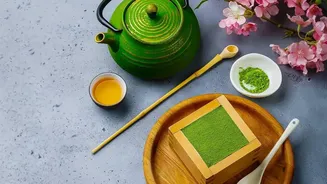
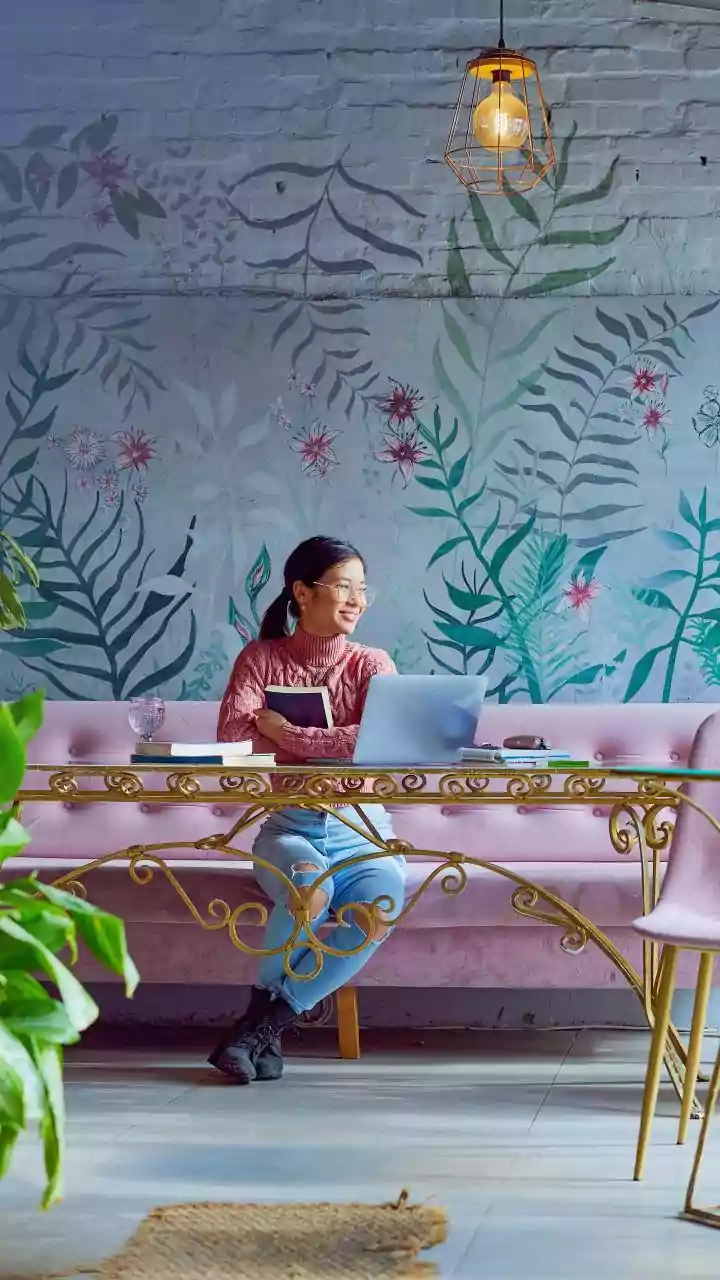
The quiet buzz in India's urban co-working spaces is no longer just about deadlines and deals; it's about matcha. This finely ground powder of specially grown and processed green tea leaves from Japan has rapidly moved from a niche health food item to
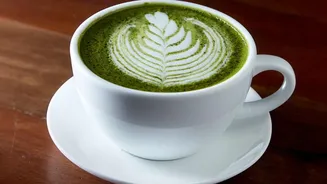
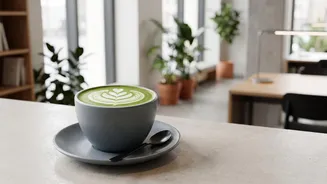
a mainstream status symbol. In cities like Delhi, the trend has been described as a full-blown mania, with dedicated matcha bars and cafes cropping up to meet the surging demand. Bengaluru boasts the densest matcha scene with the most dedicated cafes, while Mumbai's trend is closely tied to its strong specialty coffee culture. The visual appeal is undeniable: the bright green, frothy texture of a freshly whisked matcha latte is an Instagrammer's dream, making it a highly shareable and photogenic beverage.
The Perfect Fuel for Hustle Culture
So, why is this ancient Japanese tea resonating so strongly with today's young professionals? The answer lies in its unique properties. Unlike the sharp, jittery spike of energy from coffee, matcha provides a calmer, more sustained sense of alertness. This is due to the presence of L-theanine, an amino acid that works in tandem with caffeine to promote a state of relaxed focus. For a generation juggling multiple projects and facing high-pressure work environments, this 'calm alertness' is a significant draw, promising hours of steady focus without the dreaded afternoon crash or caffeine-induced anxiety. It's seen as the ideal fuel for long, creative work sessions, making it a perfect fit for the co-working lifestyle.
A Statement of Wellness and Style
Drinking matcha is more than just a caffeine choice; it's a wellness statement. Packed with antioxidants like EGCG, matcha is associated with a range of health benefits, from reducing inflammation to supporting metabolism. In a post-pandemic world with a heightened focus on health and mindful consumption, matcha fits perfectly into the narrative of clean living. This health-conscious appeal, combined with its aesthetic qualities, has transformed the drink into a lifestyle accessory. Ordering a matcha latte has become a symbol of being in-the-know, a subtle flex that signals an investment in both personal well-being and current trends.
The Indian Adaptation
While the matcha trend is global, Indian cafes are giving it a unique local twist. The price for a matcha latte can range significantly, from around ₹180 in Bengaluru to upwards of ₹600 at premium spots in Delhi. Beyond the classic latte, menus across Mumbai, Delhi, and Bengaluru feature innovative creations that cater to the Indian palate. You might find a Rose Matcha in Mumbai, a Matcha-Aam Panna in Bengaluru, or a Matcha Yuzu Tonic in Gurugram. Cafes are experimenting with everything from strawberry and ube infusions to matcha-based desserts like cookies, brownies, and even financiers. These creative adaptations make the earthy, sometimes acquired, taste of matcha more accessible while celebrating a fusion of global and local flavours.