





Across the bustling streets of Maharashtra, morning begins not with a quiet cup of tea, but with a flavour explosion. Meet Misal Pav: a fiery, textured, and utterly beloved breakfast dish that is more than a meal—it's a cultural ritual.
What Exactly is Misal Pav?
At its core, Misal
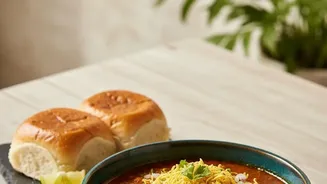
Pav is a masterful 'mixture', which is what 'misal' translates to in Marathi. It's a dish of beautiful contrasts, marrying a flavourful curry with soft bread and a delightful crunch. Originally conceived as a hearty, affordable, and nutritious meal for factory and mill workers, it provided the energy needed for a long day's labour. This humble meal has since transcended its origins to become one of Maharashtra's most iconic street foods, enjoyed by everyone from students to office-goers as a breakfast, snack, or even a full meal. The dish is a symphony of components assembled right before eating, making it an interactive and deeply personal culinary experience.
The Anatomy of a Perfect Bowl
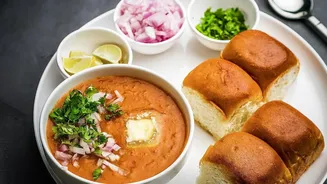
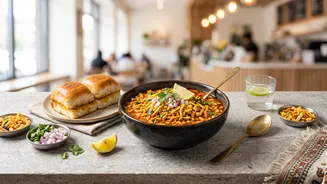
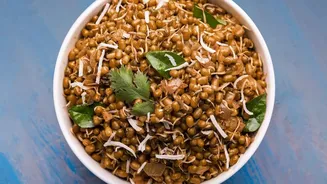
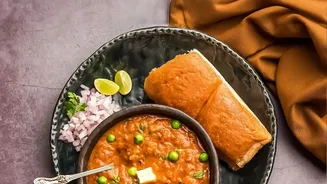
A traditional Misal Pav is constructed in layers, each adding a distinct flavour and texture. The foundation is the 'usal', a thick curry made from sprouted moth beans (matki) or sometimes other legumes like white peas. Sprouting the beans is a crucial step, making them easier to digest and lending a subtle, fresh sweetness to balance the spice. Over this base is poured the 'rassa' or 'kat', a thin, watery gravy that is the soul of the dish. This fiery red liquid, often with a glistening layer of spiced oil called 'tarri', holds the primary spice and heat. Finally, the entire concoction is served alongside 'pav', soft, pillowy bread rolls perfect for soaking up every last drop of the delicious gravy.
The All-Important Crunchy Toppings
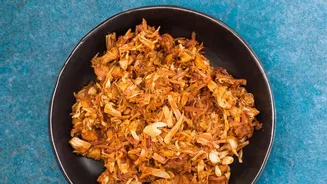
What truly elevates Misal Pav and gives it its signature crunch is the generous heap of toppings added just before serving. The star is 'farsan', a savoury mix of fried snacks, most notably 'sev' (crispy chickpea flour noodles). This isn't just a garnish; it's a critical textural element. The magic happens when the crunchy farsan meets the hot, liquid curry, creating a delightful play between soft and crisp in every spoonful. Accompanying the farsan are finely chopped raw onions for a sharp bite, a sprinkle of fresh coriander, and a wedge of lemon to squeeze over the top, cutting through the richness and adding a final burst of bright, tangy flavour.
A Tale of Many Cities
Misal is not a monolithic dish; it changes its character as it travels across Maharashtra, with each region boasting its own proud version. Kolhapuri Misal is legendary for its uncompromising spice level, thanks to a fiery red chilli paste and a potent onion-garlic masala. In contrast, Puneri Misal is often milder, sometimes with a hint of sweetness from jaggery, and is uniquely served over a bed of 'pohe' (flattened rice). Nashik Misal strikes a balance, known for its use of a special 'kala masala' (black spice blend) that gives the gravy a darker colour and a distinct, aromatic flavour. These regional variations ensure that the journey of discovering Misal Pav is never-ending.
More Than Just a Meal
To call Misal Pav just breakfast is to miss the point. It is a social food, a great equaliser served in bustling canteens and roadside stalls where people from all walks of life gather. The act of assembling your own bowl—deciding how much 'rassa' to add, how much farsan to sprinkle—makes it a personal ritual. In 2015, the Misal Pav from a Mumbai restaurant was even named the world's tastiest vegetarian dish, a testament to its incredible combination of flavours and textures. It represents the spirit of Maharashtra: bold, layered, and full of character. It's a dish designed not to be elegant, but to be honest and to wake you up in the most delicious way possible.