








From Pet to Fur-Baby
The single biggest driver behind this dietary shift is the 'humanization' of pets. Across India's metros, a cultural transformation is underway, led by millennials and Gen Z. For many young, urban professionals in nuclear families, a pet is not just an animal;
it’s a surrogate child, a constant companion, a bona fide family member. Data shows a significant number of Indian pet owners now see their pets as part of the family, and this emotional shift directly influences spending habits. This generation of 'pet parents' applies the same wellness principles to their dogs as they do to themselves, seeking out what they perceive as the best in nutrition, healthcare, and overall well-being. The result is a booming pet care market, with the premium food segment growing at a remarkable pace.
The Wellness Wave Reaches the Dog Bowl
Just as human food trends have shifted towards organic, natural, and clean ingredients, so too has the world of pet food. Discerning owners are now scrutinizing labels, questioning processed ingredients, and avoiding artificial preservatives and fillers commonly found in some commercial kibbles. This growing awareness around animal nutrition, coupled with rising disposable incomes, has created a fertile market for alternatives. Pet owners are increasingly looking for transparency, wanting to know exactly what is in their dog's food and where the ingredients come from. This mirrors the farm-to-table movement in human cuisine, with a new focus on quality and provenance in pet nutrition.
The Rise of Fresh and Formulated Feasts
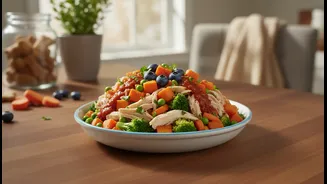
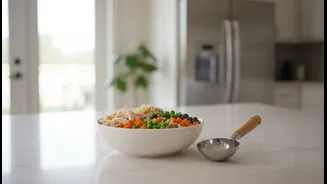
In response to this demand, a new category of pet food has emerged, moving far beyond dry kibble. Freshly cooked food, often made with human-grade ingredients like real chicken, mutton, fish, and vegetables, is rapidly gaining popularity. These meals are gently cooked to preserve nutrients and are often free of preservatives, requiring refrigeration. Numerous startups and D2C brands across Indian cities now offer subscription-based services, delivering customized, portion-controlled meals right to the owner's doorstep. Beyond cooked meals, other options include raw food diets (often called BARF, or Biologically Appropriate Raw Food), freeze-dried options, and air-dried foods, all catering to a desire for less processed, more 'natural' nutrition.
Kibble's Defence and the Expert View
So, is this the end for kibble? Not exactly. Proponents of fresh food point to benefits like improved digestion, better skin and coat, and increased palatability for picky eaters. Studies suggest fresh, digestible food can lead to better nutrient absorption. However, veterinarians caution that the 'best' diet is one that is complete and balanced for a dog's specific needs. While many boutique diets are well-intentioned, some may lack rigorous nutritional testing. Established brands often invest heavily in research and feeding trials to ensure their formulas meet established nutritional standards. In fact, some vets have raised concerns about links between certain 'BEG' (Boutique, Exotic, Grain-Free) diets and health issues like dilated cardiomyopathy (DCM). Therefore, a high-quality, well-formulated kibble from a reputable manufacturer can still be a perfectly healthy and convenient choice for many dogs.