






Inspect and Seal Your Home's Defences
Your first line of defence against rainwater is the exterior of your home. Before the heavy downpours begin, take a walk around your property. Look for cracks in the exterior walls, gaps around window and door frames, and any signs of wear and tear on
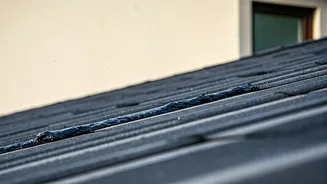
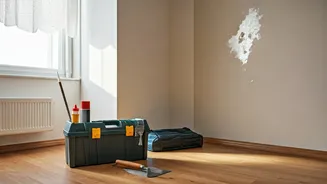
sealants. Even a tiny crack can allow a surprising amount of water to seep in, leading to damp patches, peeling paint, and eventually, structural damage. Use a good quality waterproof sealant or caulk to fill these gaps. Pay special attention to the areas where different materials meet, like where a window frame joins a brick wall. For larger cracks, you may need a more robust filler or professional help, but sealing the minor ones yourself can save you a fortune in interior repair work later on.
Clear Drains, Gutters, and Balconies
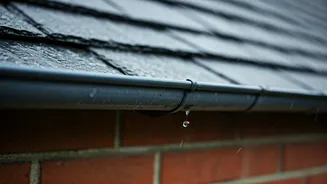
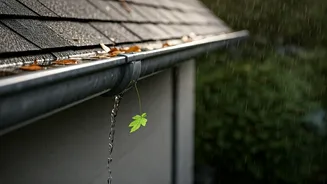
This is one of the most crucial and most overlooked tasks. Clogged gutters and drains are a primary cause of water damage. When leaves, dirt, and other debris block the flow of water, it has nowhere to go but back towards your home. It can overflow from gutters and run down walls, or pool on your roof and terrace, searching for any weak spot to enter. Similarly, choked balcony drains can cause water to flood your living space. Make it a point to clear all drainage channels before the monsoon and check them periodically during the season, especially after heavy winds. A simple cleaning can prevent water from collecting and causing major issues like roof leaks and foundation damage.
Safeguard Your Electrical Systems
Water and electricity are a dangerous combination. Increased humidity and potential leaks put your home's electrical system at risk. Start by checking for any exposed or frayed wiring, both inside and outside the house, and have an electrician fix them immediately. Inside, unplug non-essential electronics during heavy thunderstorms to protect them from power surges caused by lightning. Consider installing a surge protector for valuable appliances like your TV, refrigerator, and computer. If you notice any dampness on walls near switchboards or power outlets, do not touch them. Turn off the main power supply (if it's safe to do so) and call a professional immediately. Taking these precautions can prevent short circuits, appliance damage, and serious electrical hazards.
Keep Damp and Mould at Bay
The monsoon's high humidity creates the perfect breeding ground for mould and mildew, which not only look and smell unpleasant but can also cause health problems. The key to prevention is ventilation. On dry or less humid days, open windows and doors to allow air to circulate freely. Inside wardrobes and cabinets, place moisture-absorbing products like silica gel pouches or charcoal bags. Avoid keeping wet clothes or umbrellas indoors for long. If you spot the beginning of a mould problem (usually black or green spots on walls or ceilings), tackle it immediately with a solution of vinegar and water or a commercial mould cleaner. The longer you wait, the deeper it gets and the harder it is to remove.
Prepare Your Vehicle for Wet Roads
Your car needs monsoon prep just as much as your home. The most critical components to check are your tyres, wipers, and brakes. Ensure your tyres have adequate tread depth to grip wet roads and prevent aquaplaning. Worn-out wiper blades will just smear water across your windshield, severely impairing visibility when you need it most. Replace them if they leave streaks. Have your brakes checked to ensure they are responsive, as stopping distances increase on wet surfaces. It's also a good idea to get the underbody of your car treated with an anti-rust coating to protect it from corrosion caused by muddy, waterlogged roads. Finally, keep a clean, dry cloth in your car to wipe down foggy interiors for clear visibility.
Protect Outdoor and Wooden Belongings
Don't forget about the items outside your home. If you have wooden doors or window frames, they can swell due to moisture absorption, making them difficult to open and close. A fresh coat of waterproof paint or varnish before the rains can provide a protective layer. Move any wooden furniture, potted plants that can't handle excess water, and other vulnerable items from open balconies or terraces to a covered area. Constant exposure to rain can ruin furniture and lead to root rot in plants. A little bit of shifting and covering can ensure these items survive the season unscathed and ready to be used once the sun is out again.