





First-Time Interview vs. Dropbox Renewal
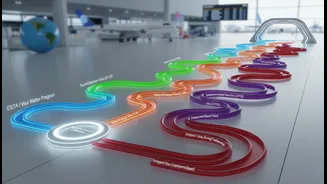
Before diving into city-specific queues, it's crucial to understand the two main pathways for a B1/B2 visitor visa. The longest waits are for first-time applicants who require an in-person interview. This involves two separate appointments: one for biometrics
(fingerprints and photo) at a Visa Application Center (VAC) and another for the interview at a US embassy or consulate. In contrast, the 'dropbox' or Interview Waiver Program is for eligible individuals renewing their visa. This process is significantly faster, as it allows you to submit your passport and documents without an interview, often reducing the end-to-end timeline to just a few weeks. Eligibility for the waiver typically requires renewing a visa that expired within a specific timeframe (previously 48 months, though policies can change), among other criteria. Always verify your eligibility on the official scheduling portal.
A Tale of Five Consulates
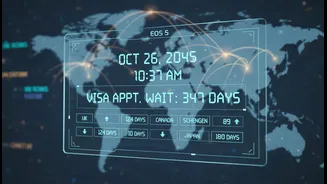
The US Mission in India operates out of the Embassy in New Delhi and consulates in Mumbai, Chennai, Hyderabad, and Kolkata. Each post manages its own appointment schedule, leading to different wait times based on applicant volume and staffing. As of mid-2026, the trend of long queues for first-time B1/B2 interviews continues, though it has improved from post-pandemic peaks. Wait times can range from 100 to over 300 days. Typically, Mumbai and New Delhi experience the highest demand and thus the longest waits. Kolkata, with a lower volume of applicants, often has comparatively shorter queues. Chennai is known for processing a high volume of employment-based visas but can sometimes offer faster B1/B2 slots as well. These figures are estimates and change weekly, so checking the official U.S. Department of State website for the latest data is essential before making any plans.
Can You 'Shop' for a Shorter Queue?
This is a common question among anxious applicants: if the wait in Mumbai is 300 days, can I book an appointment in Kolkata where it might be 150? The answer is yes. Applicants residing in India are generally permitted to schedule their visa appointment at any of the five consular posts in the country. The visa requirements and application process are uniform across all locations. This strategy, known as 'consulate shopping', is a viable way to potentially secure an earlier date. However, it requires careful consideration of travel costs and logistics, as you must travel to that city for your interview. While official guidance often recommends applying in your consular district of residence, there is no prohibition on applying elsewhere within India.
The Placeholder and Reschedule Strategy
The visa scheduling portal can feel static, with the earliest available date often months or even more than a year away. The recommended strategy is to book the first available appointment, no matter how distant it seems. This secures your place in the queue. Once you have a confirmed 'placeholder' appointment, you can then log into the portal regularly to check for earlier openings. Slots frequently become available due to cancellations or when the consulates add new appointment capacity. This requires persistence, as these slots are often taken within minutes. Applicants should check the system multiple times a day for the best chance of success. Be mindful of any limits on the number of times you can reschedule your appointment.
Other Essential Tips for Applicants
While securing an appointment is a major step, the work isn't over. Ensure your DS-160 application form is filled out completely and accurately, as you cannot make changes after submission. If you have a genuine, documented emergency—such as for urgent medical treatment or business travel—you can request an expedited appointment. To do this, you must first book a regular appointment and then submit the emergency request with supporting proof through the online portal. Approval is not guaranteed and is reserved for truly unforeseen and urgent situations. Finally, the entire visa landscape is dynamic. Recent months have seen mass cancellations and rescheduling of appointments for other visa categories like the H-1B, which can have knock-on effects on overall system capacity. Staying informed through official channels is your best defense against surprises.