




A New Digital Watchdog for Cleanliness
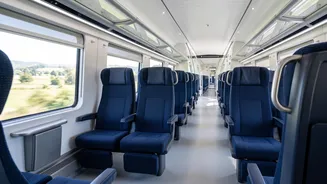
The Northeast Frontier Railway (NFR) has rolled out a new system on five of its long-distance trains, introducing technology to supervise and improve onboard housekeeping. This move is part of a broader push by Indian Railways to modernise its services,
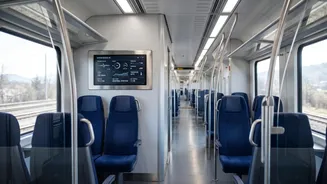
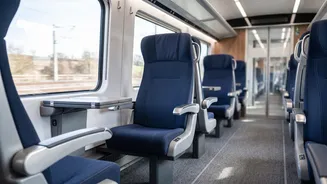
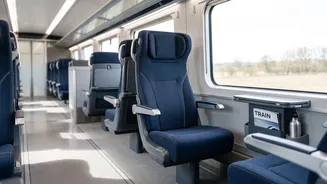
moving from traditional manual checks to a system of digital accountability. The project combines real-time monitoring, passenger feedback, and even Artificial Intelligence (AI) to ensure that cleaning standards are not just met, but consistently maintained throughout the entire journey. The primary goal is to enhance passenger comfort and hygiene by making cleaning services more transparent and responsive.
The Five Upgraded Routes
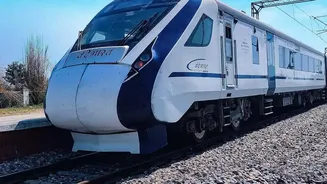
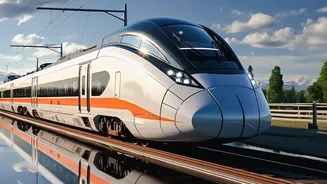
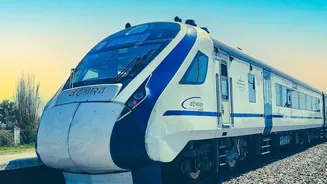
This pilot project is not a random test; it targets some of the most significant routes managed by the NFR. The upgrade has been implemented on two popular Vande Bharat Express services and three other superfast trains. The specific trains benefiting from this enhanced monitoring are the New Jalpaiguri–Patna Vande Bharat Express, New Jalpaiguri–Guwahati Vande Bharat Express, Guwahati–Kolkata Garib Rath Express, Dibrugarh–Mumbai LTT Express, and the Kamakhya–SMVT Bengaluru Express. The rollout for these services began in mid-October 2026, marking a significant step towards modernising passenger amenities on these crucial connectors.
How the AI-Powered System Works
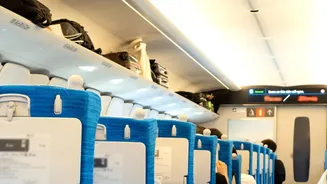
So, what does 'digital monitoring' actually involve? At its core, the system uses a combination of tools to create a loop of accountability. Cleaning staff activities are tracked using geo-tagged service verification and digital staff monitoring. This means railway officials have real-time visibility into when and where cleaning tasks are performed. Furthermore, the system incorporates AI-based assessments to evaluate the quality of the cleaning. This is complemented by a robust passenger feedback mechanism, likely integrated through apps like Coach Mitra or QR-code systems, allowing travellers to report issues and provide star ratings for the services. This data provides officials with a clear picture of performance and helps identify areas that need immediate attention.
From Complaint to Resolution in Two Hours
One of the most passenger-friendly features of this new initiative is a clear and ambitious target for addressing complaints. The NFR has set a two-hour window for resolving any passenger complaints related to housekeeping issues, such as dirty washrooms, overflowing dustbins, or a lack of water. Dedicated teams are on hand to manage these basic housekeeping and technical problems swiftly. If a complaint is not resolved within this timeframe, it is automatically escalated to higher railway authorities for intervention. This structured approach aims to put an end to the frustratingly long waits that passengers sometimes endure, making the journey more comfortable and predictable.
Challenges and the Road Ahead
While the initiative is a promising leap forward, its broader success will depend on how effectively it can be scaled. The cost of implementing AI, training staff, and maintaining the digital infrastructure across the entire Indian Railways network—one of the world's largest—is a significant hurdle. There are also questions about ensuring the technology works seamlessly in areas with poor network connectivity. However, this pilot is a crucial test case. Its success on these five trains could provide a blueprint for a nationwide rollout, potentially revolutionising one of the most persistent issues in Indian train travel. It represents a tangible step within the larger 'Swachh Rail, Swachh Bharat' mission, aiming for a future where every train journey is a clean one.