


The festival of Bhai Dooj celebrates the cherished bond between siblings with prayers, gifts, and of course, sweets. While ladoos and barfis are classics, a more elegant dessert, Almond Phirni, offers a unique blend of tradition and refinement.
A Festival Sealed with Sweetness
Bhai Dooj,
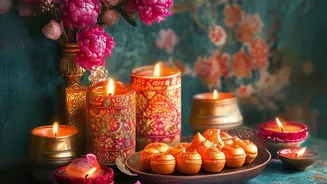
celebrated two days after Diwali, is a heartfelt festival honouring the relationship between brothers and sisters. On this day, sisters apply a 'tilak' on their brother's forehead, performing an aarti to pray for their long life and prosperity. In return, brothers offer gifts and a promise of protection. Central to this exchange is the offering of 'mithai'. Sweets are more than just a treat in Indian traditions; they symbolise new beginnings, affection, and shared joy. The act of a sister offering a sweet is an expression of her love, making it an indispensable part of the ceremony.
Beyond the Usual Mithai Box
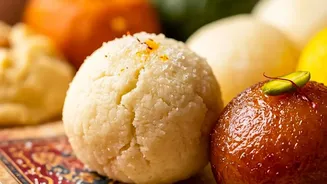
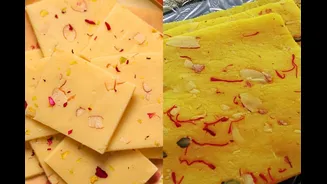
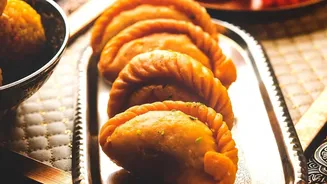
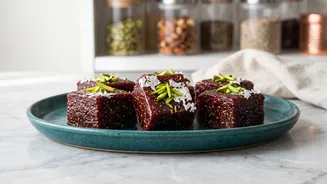
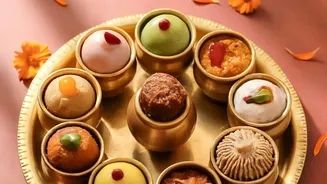
The festive platter for Bhai Dooj is often laden with popular choices like Kaju Katli, Gulab Jamun, and various kinds of Ladoos. These are timeless favourites, deeply embedded in the celebratory fabric of the nation. Yet, for those looking to offer something different—a dish that feels both special and deeply traditional—phirni presents itself as a perfect candidate. Unlike the firmer texture of most barfis and ladoos, phirni is a creamy, delicate pudding that offers a contrasting experience. Its subtlety and elegance make it a memorable addition to the festive spread, showing extra thought and care.
The Royal Heritage of Phirni
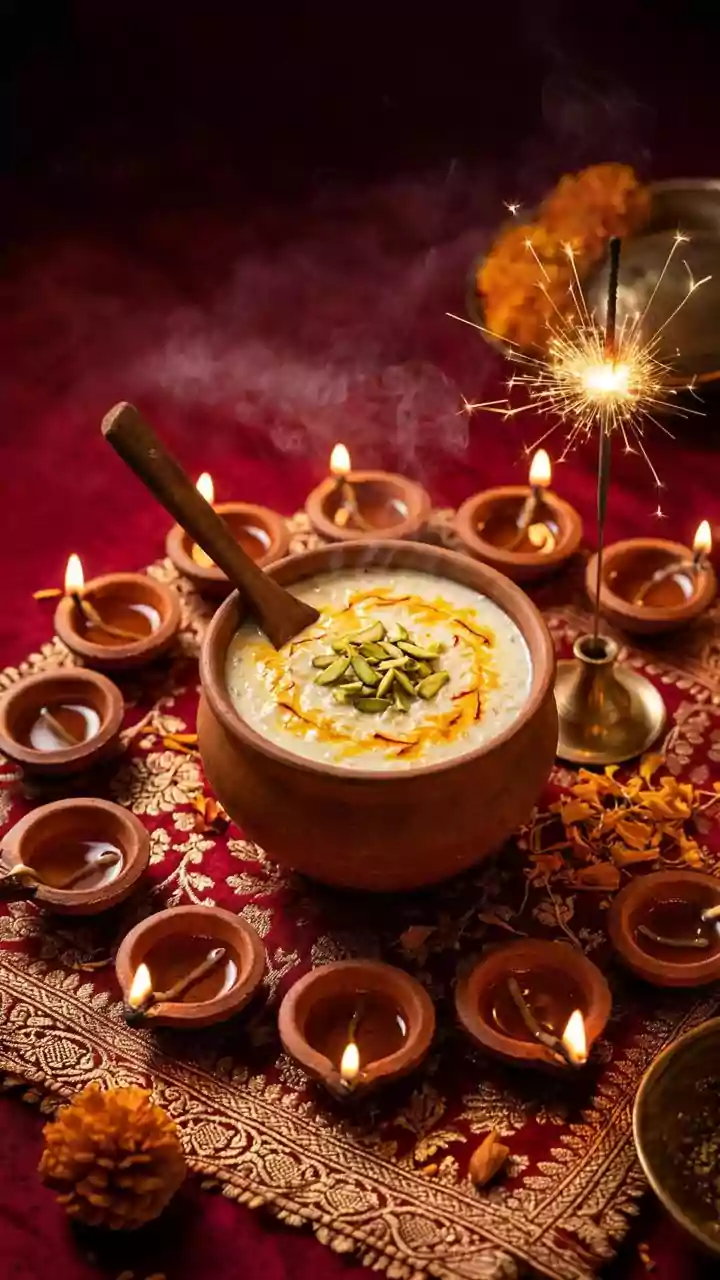
Phirni is a classic North Indian dessert with roots that trace back to the opulent kitchens of the Mughal era. Believed to be inspired by Persian milk puddings, it was refined in India into the dessert we know today. It is a slow-cooked pudding made from ground rice, milk, and sugar, which gives it a distinctively smooth yet slightly grainy texture. This is what separates it from kheer, which uses whole rice grains. Traditionally flavoured with cardamom and saffron, phirni was considered a royal treat, a status it has retained over centuries, making it a fitting dessert for special occasions like Bhai Dooj.
The Luxurious Touch of Almonds
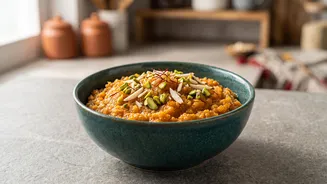
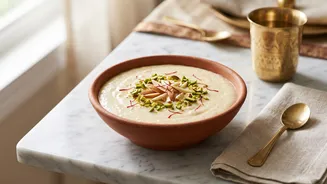
While classic phirni is delightful on its own, the addition of almonds ('badam') elevates it to another level. Badam Phirni incorporates a paste of blanched almonds into the cooking process, lending the pudding a wonderful nutty flavour and an even creamier consistency. Almonds, long considered a premium ingredient in Indian cuisine, add richness and nutritional value. The final garnish of slivered almonds and pistachios provides a delightful textural contrast to the smooth pudding. This enrichment transforms a simple sweet into a luxurious offering, perfect for conveying how special a brother is to his sister.
A Dessert That Cools and Comforts
One of the most unique aspects of phirni is that it is almost always served chilled. Traditionally, it's set in small, shallow earthen bowls called 'shikoras' or 'kulhads'. This practice is not just for aesthetics; the porous clay naturally cools the dessert and absorbs excess moisture, making the phirni thicker and infusing it with a subtle, earthy aroma. After a festive meal that might include rich and spicy dishes, a serving of cool, calming phirni is incredibly refreshing. Its cooling properties provide a soothing balance, making it a thoughtful and comforting end to the Bhai Dooj feast.