




Plan Your Menu, Preserve Your Sanity
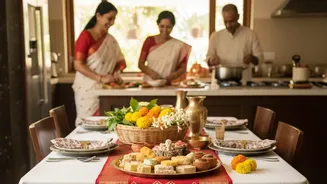
The key to a balanced festive season is planning. During festivals, normal meal schedules often change, leading to constant snacking and heavy dinners. Instead of deciding meals on the fly, map out a week-long menu. Intentionally schedule lighter, everyday
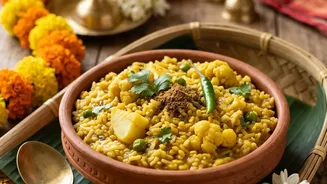
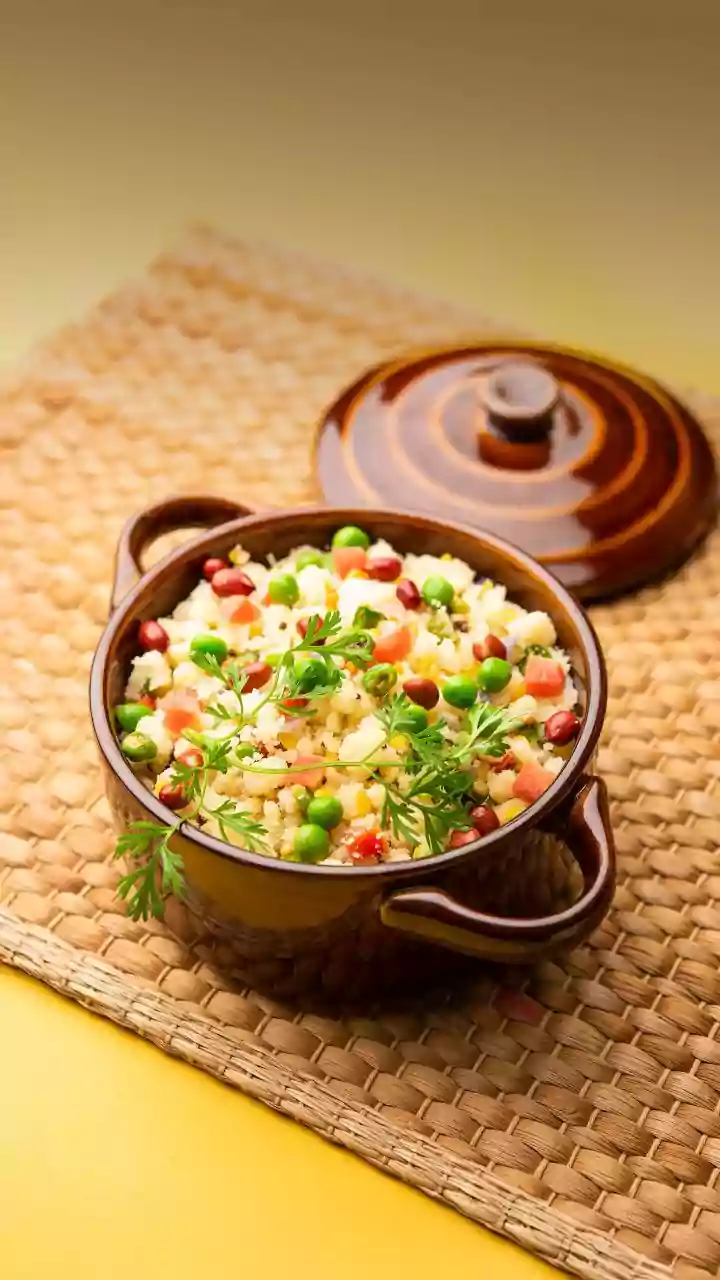
meals between extravagant festive feasts. For instance, if you know a large family dinner is planned, opt for a simple breakfast like vegetable daliya or atta cheela. This approach allows you to enjoy the special, indulgent dishes like samosas and gulab jamun without feeling overwhelmed. The goal isn't to skip festive food but to create a thoughtful rhythm between celebratory meals and simpler, nourishing ones. This simple strategy can help you avoid overeating and reduce dependence on packaged snacks.
Modern Twists on Timeless Classics
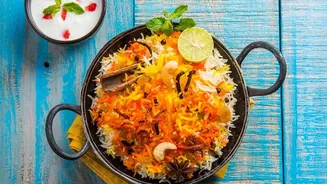
Adding variety doesn't mean abandoning the classics that define festive eating. Instead, it’s about creative reinvention. Fusion dishes are a popular way to bring a fresh perspective to the table. Consider concepts like pav bhaji sliders, masala quesadillas, or even a paneer lasagna. These dishes combine the essence of Indian tradition with a modern format. You can also deconstruct classics; for example, samosa fillings can be used in bite-sized parcels or even a savoury pot pie. Another approach is to incorporate globally popular ingredients like quinoa or avocado into traditional recipes, such as a quinoa biryani. These innovations can make meals more exciting and cater to adventurous palates.
The Art of the Lighter Side Dish
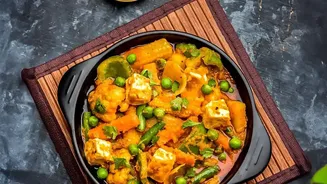
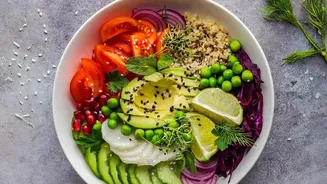
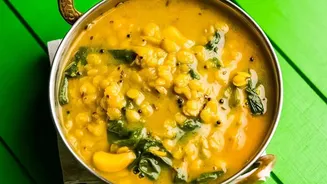
One of the easiest ways to introduce variety is by revolutionizing your side dishes. While rich curries and fried breads are the main event, they can be balanced with lighter accompaniments. Instead of another heavy preparation, add a fresh element to the table. Think of a simple cucumber salad (kachumber) to add a refreshing crunch, or a sprout salad. Incorporating more seasonal vegetables is another great strategy. A simple mixed vegetable sabzi, some roasted carrots and peas, or a dish with leafy greens can add nutrients and fibre, making the overall meal feel more balanced. These additions complement the main dishes without competing with them, keeping the palate refreshed.
Rethinking Festive Sweets and Snacks
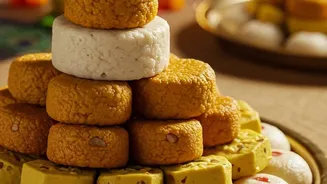
Festive sweets are non-negotiable, but you can be strategic about them. Traditional desserts like kheer, halwa, and barfi can be reimagined with healthier swaps. For example, using jaggery or dates instead of refined sugar, or coconut milk instead of full-fat dairy, can lighten a dessert without sacrificing its soul. Fusion desserts are also a big hit, such as gulab jamun cheesecake or chai-infused panna cotta. When it comes to snacks, balance is also key. Alongside the fried mathri and samosas, offer guests options like roasted chana, nuts, fresh fruit, or baked vegetable bites. This ensures there's something for every mood and appetite.