



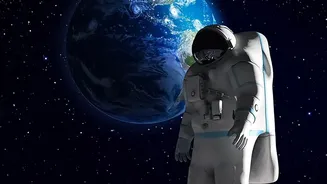
The Challenge of Moonwalking
Anyone who has seen footage from the Apollo missions remembers the sight of astronauts bunny-hopping across the lunar surface. While charming, this stiff-legged shuffle was a direct result of their suits' limited mobility. The old suits were masterpieces
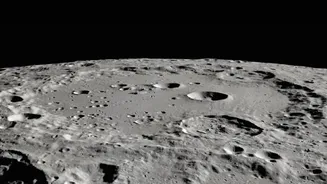
of their time but were difficult to bend at the waist, knees, or hips. This made simple tasks like picking up a rock, kneeling to inspect the ground, or even just walking on uneven terrain a physically demanding and sometimes risky chore. The Moon's surface is a minefield of craters, rocks, and fine, abrasive dust that can damage equipment. For the ambitious scientific goals of the Artemis program, which aims to establish a long-term human presence, astronauts need to be more than just visitors; they need to be effective field workers. This requires a suit that allows them to move naturally and safely.
A Commercial Leap in Spacesuit Design
Instead of developing the suits entirely in-house, NASA has turned to the commercial sector, awarding contracts to companies to design, build, and maintain the next generation of Extravehicular Mobility Units (EMUs). For the crucial lunar surface suit, the contract was awarded to Axiom Space. Their design, called the Axiom Extravehicular Mobility Unit (AxEMU), builds upon decades of NASA's own research but is engineered from the ground up by a commercial provider. This approach is intended to foster innovation and reduce costs. The AxEMU is designed to be a single, scalable architecture that can be adapted for different missions, from the lunar surface to low-Earth orbit. This modular approach means parts can be more easily replaced or upgraded, a crucial feature for long-duration missions far from home.
Unprecedented Flexibility and Movement
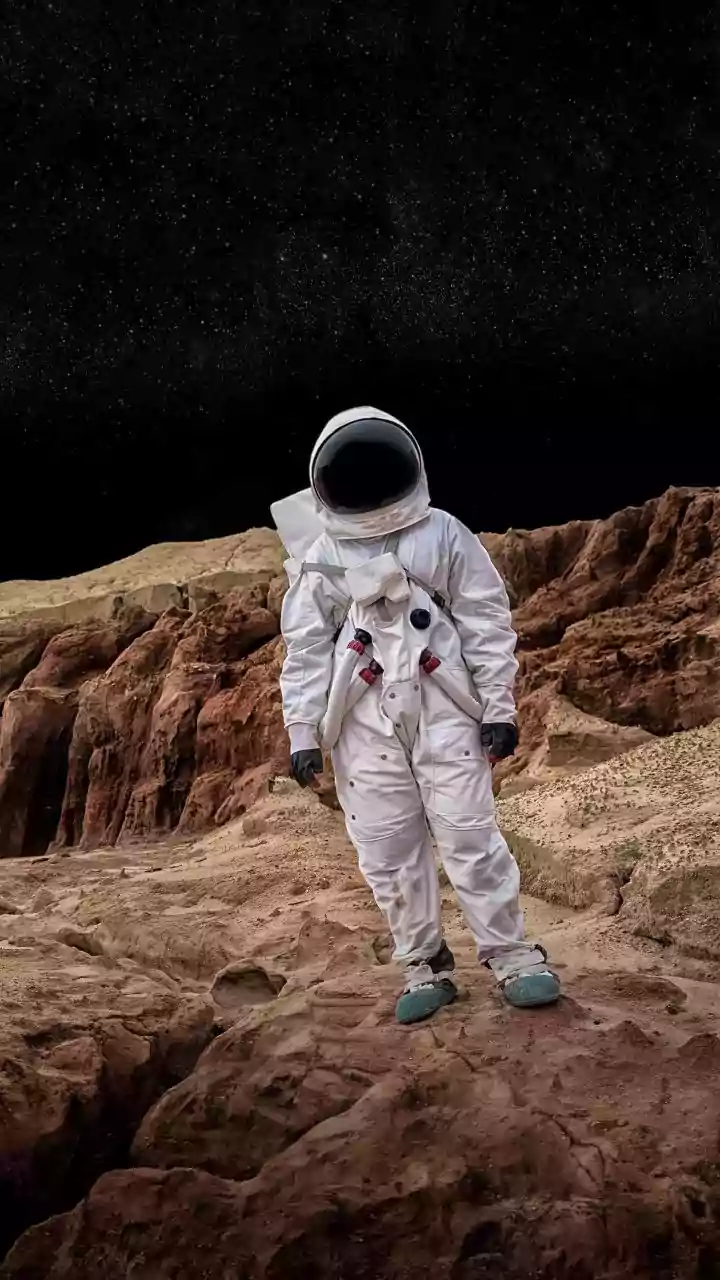
The single biggest upgrade in the AxEMU suit is its flexibility. Axiom has focused on enhancing the joints, incorporating advanced bearings at the shoulders, waist, hips, and knees. This allows astronauts to rotate their arms more freely, even reaching over their heads, and to bend at the waist. For the first time, astronauts will be able to properly walk, kneel down to collect samples, and perform the dexterous tasks required for geology and maintenance without fighting against a stiff, pressurized suit. The design allows for a much wider range of motion, which not only improves efficiency but also reduces astronaut fatigue and the risk of injury. The suits are also being designed to fit a much wider range of body sizes, ensuring more astronauts can perform spacewalks comfortably and safely.
Advanced Technology and Protection
Beyond mobility, the AxEMU incorporates numerous technological advancements. The portable life support system, the backpack that provides power and breathable air, is more advanced and includes a robust cooling system to manage the extreme temperatures on the Moon, which can swing from 250 degrees Fahrenheit in the sun to minus 250 in the shade. The suits have enhanced protection against the razor-sharp lunar dust, with dust-tolerant features to prevent contamination of the life support systems. They also feature a high-definition video camera and advanced lighting on the helmet to give both the astronaut and mission control a clear view of the work being done. Even the inner-garment, the Liquid Cooling and Ventilation Garment, has been redesigned in a collaboration with fashion house Prada to be more efficient at regulating body temperature during strenuous activity.