



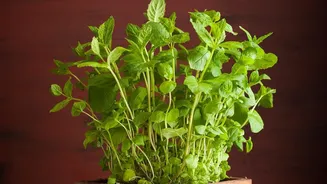

Why Flavour Fades When Flowers Appear
A mint plant has one primary goal: to reproduce. As it matures, it enters its flowering stage, shifting all its energy from growing lush, flavourful leaves to producing flowers and eventually, seeds. This biological pivot is the root cause of your flavour dilemma.
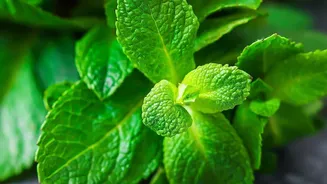
The plant reduces its production of the essential oils that give mint its characteristic sharp, cool taste and aroma. Specifically, compounds like menthol decrease, and as their concentration drops, the leaves can begin to taste dull or even bitter. By letting your mint plant flower, you are essentially signaling to it that the season for growth is over and it is time to focus on the next generation. Unfortunately for us, this comes at the direct expense of the leaves we prize for our chutneys, teas, and raitas.
The Simple Art of Pinching
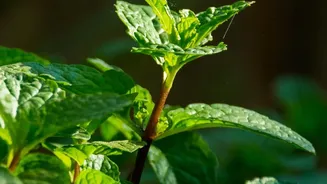
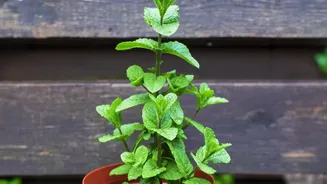
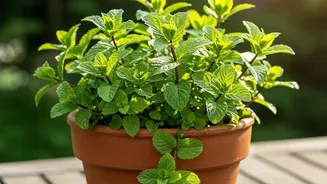
The solution is wonderfully simple: you need to stop the flowering process before it truly begins. This is done by 'pinching' or trimming the flower buds. As your mint plant grows, look for fuzzy, pointed buds forming at the top of the main stems. These are the precursors to flowers. As soon as you spot them, you can simply pinch them off with your fingers. For a cleaner cut, you can use a pair of scissors or small pruning shears. Snip the stem just below the bud cluster. This single action sends a message to the plant that it needs to return its focus to vegetative growth, meaning more stems and, most importantly, more of those deliciously potent leaves. It keeps the essential oil factories in the leaves working at full capacity.
Timing Is Everything for Peak Potency
For the absolute best flavour, the ideal time to harvest mint is just before the flower buds open. At this point, the concentration of essential oils in the leaves is at its peak. However, you don't have to wait that long. You can start harvesting leaves as soon as the plant is a few inches tall. In fact, regular harvesting is a form of pruning. Don't be afraid to give your mint a regular 'haircut'. You can safely trim off up to two-thirds of the plant's growth at any one time. This encourages it to grow back bushier and more compact, rather than becoming tall and 'leggy'. Frequent trimming throughout the growing season is the most effective strategy for a continuous supply of flavour-packed mint.
More Than Just Flavour
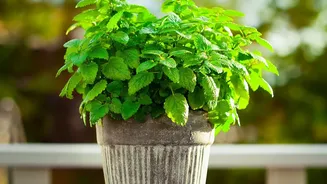
While preserving flavour is the main reward, pinching your mint buds offers other significant benefits. It promotes a much healthier and more aesthetically pleasing plant. By removing the top buds, you encourage the plant to send out new growth from the nodes further down the stem. This results in a fuller, bushier plant with a dense canopy of leaves, rather than a few long, sparse stems. This not only gives you more leaves to harvest but also helps prevent the plant from becoming woody and weak. A well-pruned mint plant is a vigorous one, better equipped to thrive and resist pests, ensuring your pudina patch remains productive all season long.
What to Do If It Is Already Flowering
Don't worry if you've missed the window and your mint plant is already in full bloom. All is not lost. The existing leaves may not be at their flavourful best, but you can easily reset the plant. Using a pair of shears, give the plant a hard prune. Cut the stems back by about a third or even a half, making sure to remove all the flowers and flower buds. While this might seem drastic, mint is an incredibly resilient herb. This aggressive trim will stimulate a fresh flush of new, tender stems and leaves. Within a couple of weeks, you will be rewarded with a new batch of growth that is packed with all the flavour you were missing.