



The Symphony of the Monsoon
For most of the world, heavy rain means staying indoors. But in Meghalaya, particularly in the Khasi Hills, the arrival of the monsoon is the start of a breathtaking natural spectacle. It’s a season of transformation. Dry riverbeds roar back to life,
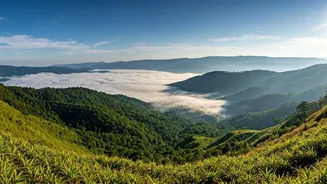
and the green hills become streaked with silver as countless streams and rivulets appear, seemingly from nowhere. This isn't just a downpour; it's a complete reimagining of the landscape. The air becomes thick with the scent of wet earth and the sound of water is a constant, soothing roar—a symphony conducted by the clouds themselves, cascading down one of the most unique geological canvases on the planet.
Where Rain is a Way of Life
The towns of Mawsynram and Cherrapunji (Sohra) are locked in a friendly rivalry for the title of 'wettest place on Earth'. Both receive an astonishing amount of annual rainfall, often exceeding 11,000 millimetres. Their location is key. The Khasi Hills form a massive barrier, trapping moisture-laden winds sweeping up from the Bay of Bengal. As these clouds are forced to rise, they cool and unload their immense watery cargo directly onto the plateau. This intense, concentrated precipitation is the engine that drives the region’s dramatic hydrological display. For the local Khasi people, this abundance of water isn't a problem to be solved; it's a fundamental part of their existence, shaping everything from their architecture to their folklore.
The Birth of a Thousand Waterfalls
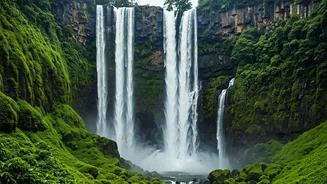
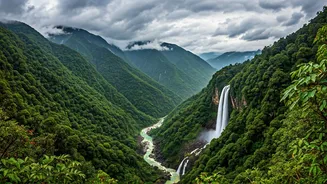
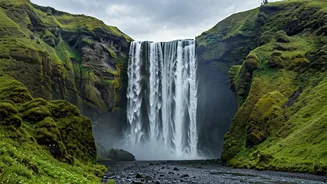
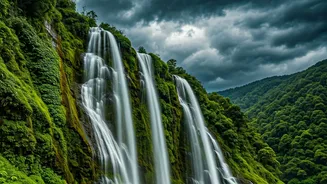
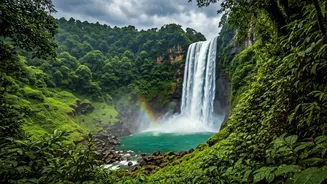
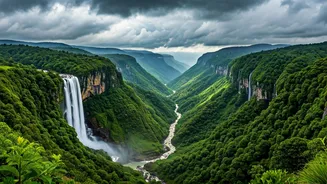
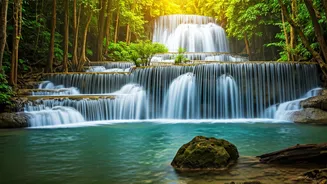
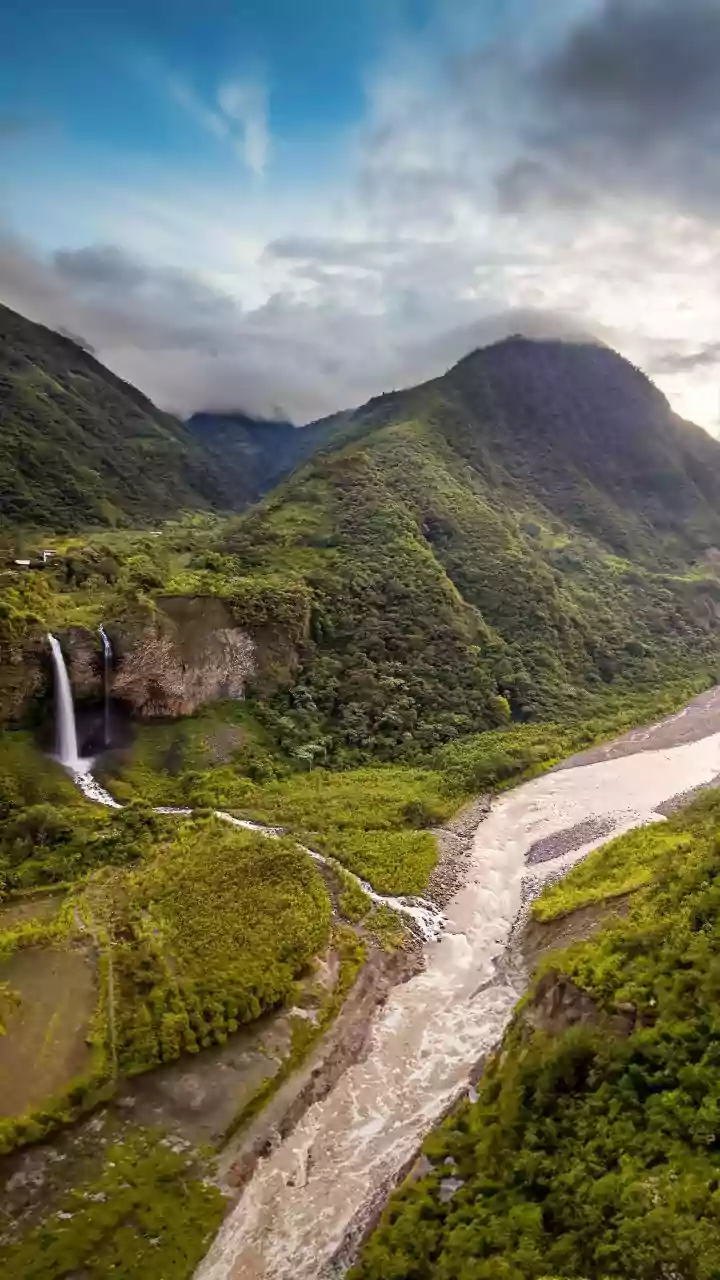
The most magical effect of this deluge is the creation of ephemeral, multi-tiered waterfalls. The plateau is composed largely of porous limestone and sandstone. During the monsoon, the ground becomes so saturated that it can no longer absorb any more water. The excess rainfall then flows over the surface, seeking the path of least resistance. It pours over cliffs, cascades down stepped rock faces, and gushes through crevices, creating an intricate network of waterfalls where moments before there was only a green hillside. These aren't permanent, named falls found on a map, but temporary, dynamic cascades that exist only for the duration of the monsoon. They turn every drive and every hike into a journey through a living, breathing water-scape.
Giants Reawakened
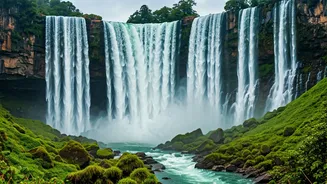
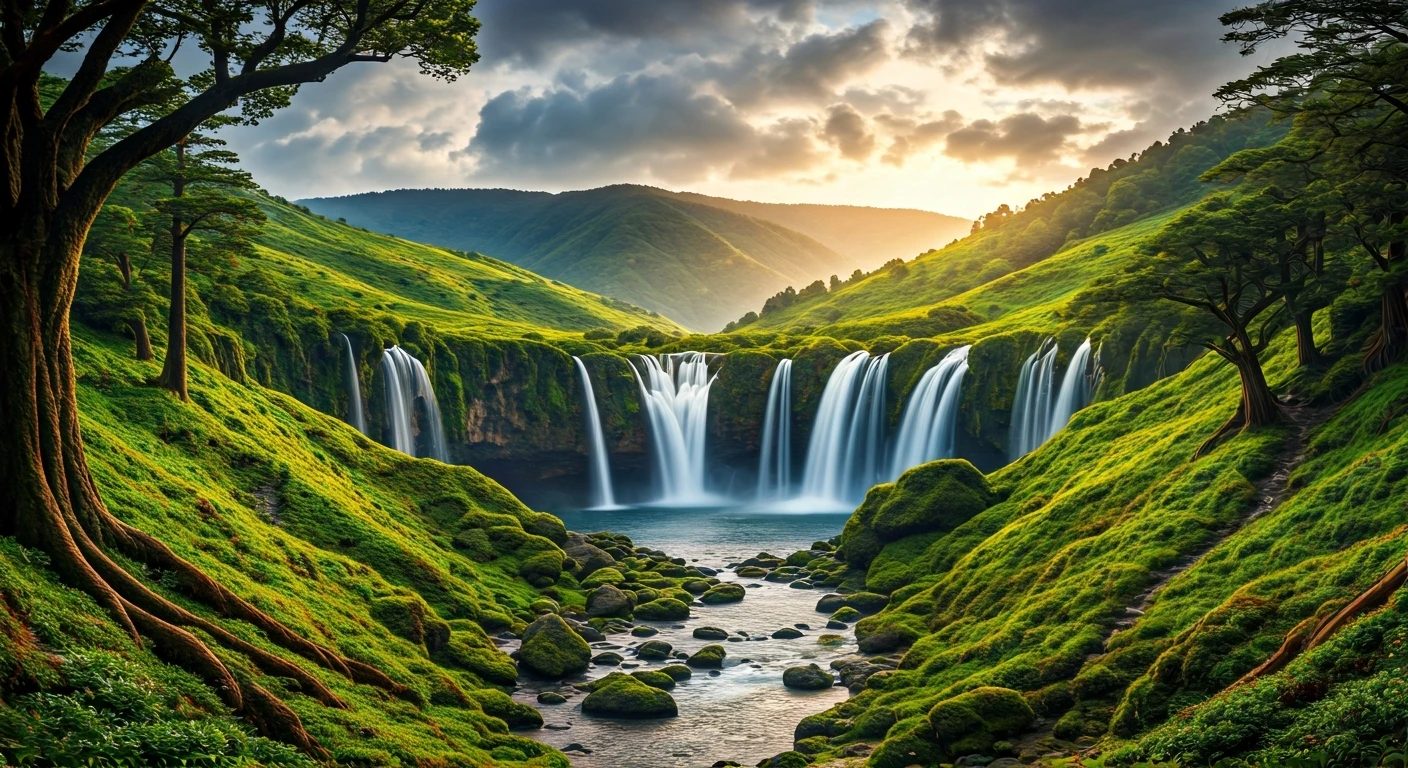
While the temporary falls are magical, the monsoon also supercharges the region’s permanent giants. The iconic Nohsngithiang Falls, also known as the Seven Sisters Falls, is a prime example. In the dry season, it’s a series of distinct streams plunging over the cliff. But during the monsoon, the seven streams merge and are joined by dozens of others, forming a single, colossal, unbroken curtain of water that thunders into the valley below. Similarly, the Nohkalikai Falls, India's tallest plunge waterfall, transforms from a powerful but singular spout into a raging torrent, its spray filling the entire gorge. These permanent falls become unrecognisably grand, showcasing the raw power of water at a scale that is hard to comprehend.
A Landscape of Abundance
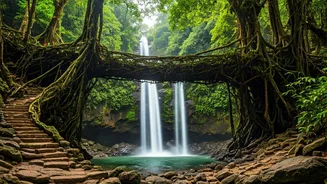
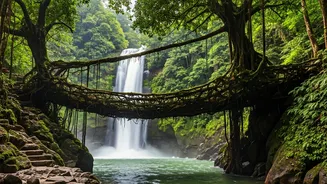
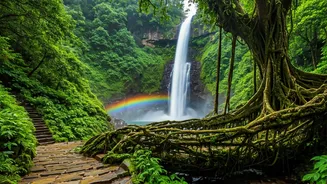
This intense relationship with water has fostered incredible ingenuity and a unique ecology. The famous living root bridges of Meghalaya are a direct response to the powerful rivers and constant moisture that would rot or wash away conventional wooden structures. By patiently guiding the roots of rubber fig trees across rivers, the Khasi people have created bridges that grow stronger over time. The same water that carves the cliffs also nourishes the impossibly lush vegetation, creating a biodiversity hotspot. The waterfalls are not just a visual treat; they are the lifeblood of a complex and resilient ecosystem, a powerful reminder of how nature adapts and thrives in even the most extreme conditions.