

The Golden Rule: True Isolation
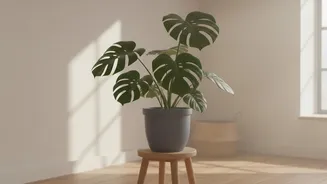
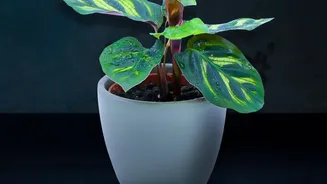
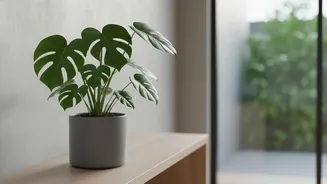
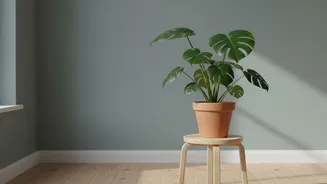
The first and most critical step is immediate isolation. Quarantine means keeping your new plant in a completely separate room from your existing collection for a minimum of three to four weeks. This might seem extreme, but it is the single most effective
way to protect your other plants. Pests like fungus gnats can fly, while spider mites can travel short distances on air currents. Placing a new plant on a different shelf in the same room is not enough to prevent a potential infestation. A bathroom with a window or a spare bedroom works perfectly. This period allows time for the life cycles of common pests to complete, making any hidden issues visible before they have a chance to spread. A few weeks of patience can save you months of battling an outbreak.
A Clean Slate From Day One
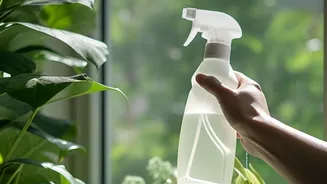
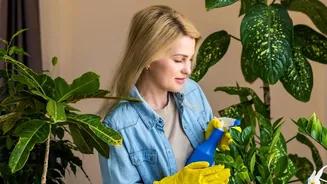
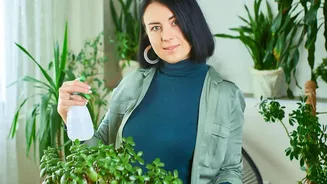
Once your plant is in its solitary confinement, give it a gentle but thorough cleaning. Many pests are surface-level hitchhikers that can be removed with simple physical action. For most plants, you can place them in a tub or shower and give them a lukewarm rinse, making sure to spray the undersides of the leaves where pests like spider mites and aphids love to hide. Afterwards, you can gently wipe down each leaf with a soft, damp cloth. For an added layer of prevention, consider spraying the plant with a mild insecticidal soap or a neem oil solution. This can help suffocate any unseen eggs or tiny insects. This initial cleaning not only disrupts potential pests but also removes any dust from the nursery, allowing the leaves to photosynthesise more efficiently.
The Soil Investigation
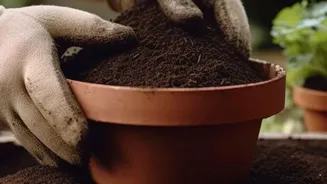
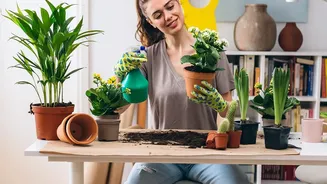
Many of the most persistent houseplant problems begin in the soil. Before you even think about your plant’s long-term home, take a close look at its current soil. Are there tiny black flies hovering around the surface? These are likely fungus gnats, whose larvae feed on roots and thrive in overly moist soil. Check for any unpleasant, swampy odours, which can signal root rot from overwatering at the store. Repotting a new plant during its quarantine is often a wise move. It allows you to discard the nursery soil, which may contain pest eggs or pathogens, and start fresh with a high-quality potting mix suited to your plant. This step gives you complete control over the growing medium and eliminates a major source of potential trouble.
A Deeper Look at Pots and Roots
If you decide to repot, this is your best opportunity for a full inspection. Gently remove the plant from its nursery pot and examine the root ball. Are the roots circling tightly at the bottom? This means the plant is 'root-bound' and ready for a slightly larger home. Check the roots themselves; healthy roots are typically firm and white or light-coloured. If you see black, mushy, or slimy roots, you are dealing with root rot. These affected sections should be trimmed off with clean scissors before repotting. While the plant is out, inspect the inner walls of the nursery pot and the root system for signs of root mealybugs, which look like small, white, fuzzy deposits. If you plan to reuse a pot, make sure to scrub it thoroughly and sanitize it with a solution of one part bleach to nine parts water to kill any lingering disease spores.
The Weekly Inspection Ritual
Throughout the three-to-four-week quarantine, make a habit of inspecting your new plant closely at least once a week. Use a magnifying glass if you have one. Scrutinise the undersides of leaves and the junctions where leaves meet stems. Look for the fine, delicate webbing of spider mites, the white, cotton-like clumps of mealybugs, or the small, brown, shell-like bumps of scale insects. Any of these signs mean you need to treat the plant immediately with an appropriate pesticide or neem oil. Also, keep an eye out for silvery streaks or tiny black specks on the leaves, which can indicate the presence of thrips. Catching and treating these issues while the plant is in isolation is infinitely easier than dealing with a widespread infestation across your entire collection later on.