


The Temperature Danger Zone
One of the most common causes of foodborne illness is the improper cooling of cooked foods. To understand why, you need to know about the 'Temperature Danger Zone'. According to the USDA, this is the temperature range between 40°F and 140°F (about 4°C
to 60°C). Within this zone, harmful bacteria like Salmonella and E. coli can multiply with incredible speed, sometimes doubling their numbers in as little as 20 minutes. The goal of food safety is to move food through this danger zone as quickly as possible, whether you're cooking it or cooling it. Any perishable food left in this zone for more than two hours (or just one hour if the ambient temperature is above 90°F) should be discarded.
Why Large, Deep Pots Are a Problem
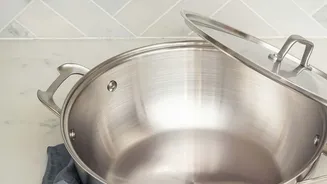
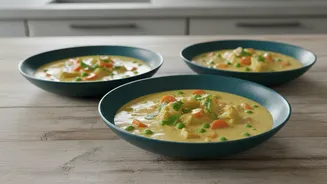
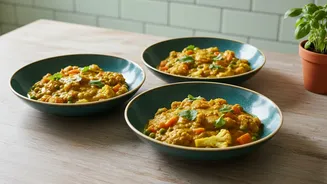
A large, deep pot of hot soup, chili, or curry acts as its own insulator. While the food on the outer edges might cool down, the centre of the pot can remain in the Temperature Danger Zone for many hours. Even placing a large, hot pot directly into the refrigerator isn't a safe solution. The heat from the pot can raise the overall temperature inside your fridge, putting other stored foods like milk and raw meat at risk. A Purdue University study demonstrated this by preparing a large pot of chili; even when placed in a refrigerator, it took between 20 and 24 hours to cool to a safe temperature, far exceeding the recommended two-hour window.
The Shallow Portion Solution
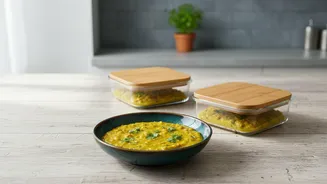
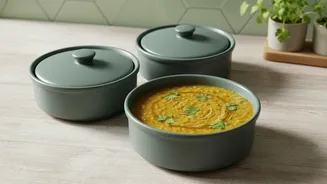
This is where the wisdom of the headline comes into play. By deciding early to divide your large batch of food into several smaller, shallow containers, you dramatically increase the food's surface area. More surface area means heat can escape much more quickly and evenly. Health and food safety agencies consistently recommend this as the primary method for rapid cooling. For thick items like dal, refried beans, or casseroles, the food's depth in the container should be no more than two inches. For large cuts of meat like a roast or a whole turkey, it's best to slice them into smaller portions before refrigerating.
Best Practices for Quick Cooling
Beyond simply using shallow pans, there are other techniques to accelerate the cooling process. You can leave the containers uncovered in the fridge initially to let heat and steam escape, but place them on a high shelf to prevent anything from dripping into them. Once the food has cooled to 41°F or below, you can cover them. For liquid-based foods like soups and stews, an ice bath is highly effective. Place your smaller containers into a larger basin or a clean sink filled with ice and cold water. Stirring the food periodically during this process will help distribute the cold and release trapped heat even faster. Some professional kitchens even use frozen plastic 'ice wands' to stir and cool large batches from the inside out.
Common Mistakes to Avoid
The most critical mistake is leaving a pot of food to cool on the stovetop or counter overnight. This is a perfect recipe for bacterial growth. Always aim to get leftovers into the refrigerator within two hours of cooking. Another error is stacking the shallow containers in the fridge before they are fully cooled. This prevents air from circulating around them and slows down the cooling process. Finally, while it might seem like a shortcut, don't try to cool food outdoors. The temperature can fluctuate, and it exposes the food to potential contamination from animals and the environment. By adopting the simple habit of portioning early, you can enjoy your delicious leftovers safely for days to come.