

A Return to Our Roots
For decades, the Indian breakfast table has been increasingly dominated by convenience. Processed cereals, quick-cooking oats, and white bread became staples, pushing traditional, nutrient-dense options to the background. But a significant shift is underway.
A growing consciousness around health, wellness, and sustainable eating is inspiring urban families to look back—to the foods of their grandparents. This movement isn't just about nostalgia; it's a deliberate choice to embrace whole foods that are both nourishing and deeply connected to India's agricultural heritage. Millets, once considered 'coarse grains', are now being celebrated as 'heritage grains' or 'superfoods'.
Meet the Wonder Grains
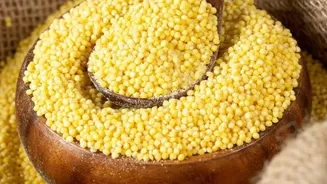
Millets are a group of small-seeded grasses that have been cultivated in India for thousands of years. They are incredibly resilient, requiring less water than rice and wheat, making them an environmentally sound choice. For the urban consumer, their nutritional profile is the main attraction. Compared to refined wheat and polished rice, millets are powerhouses of nutrition. They are typically higher in fibre, protein, and essential minerals like iron and calcium. Many are also naturally gluten-free. Some of the stars of this revival include:
- Ragi (Finger Millet): Famous for its high calcium content, ragi has an earthy flavour and is incredibly versatile.
- Jowar (Sorghum): A gluten-free grain that is rich in protein and fibre, helping you feel full longer.
- Bajra (Pearl Millet): Packed with iron and magnesium, this millet is traditionally consumed in winter for its warming properties.
- Foxtail and Little Millet: These smaller millets are light on the stomach and cook quickly, making them great substitutes for rice.
The Steamed Breakfast Renaissance
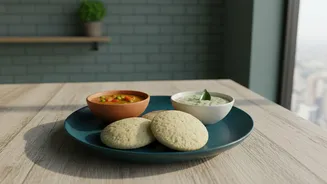
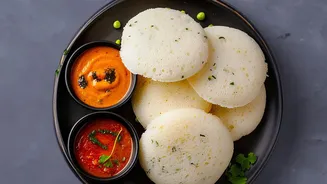
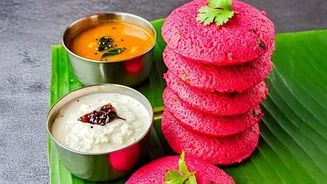
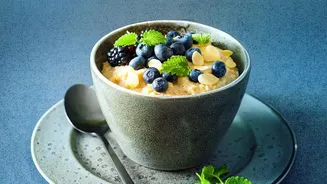
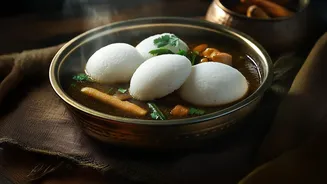
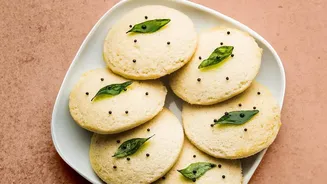
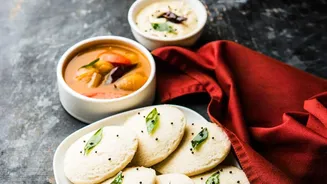
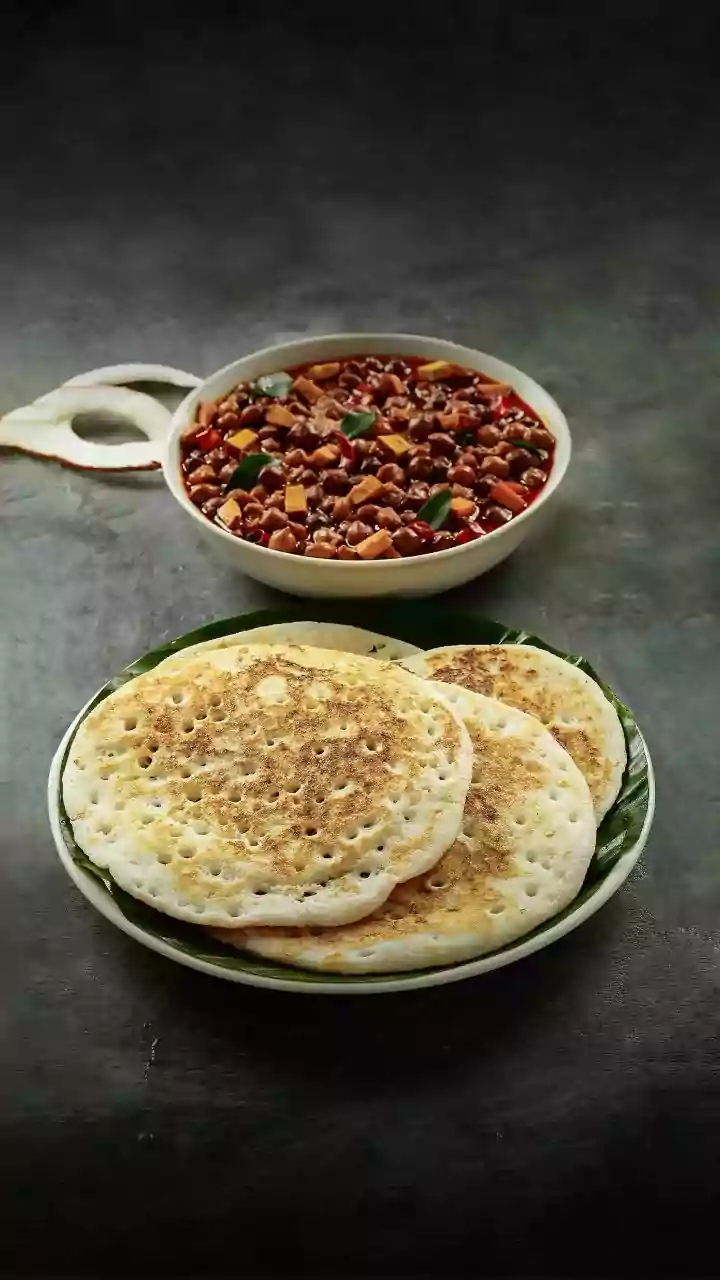
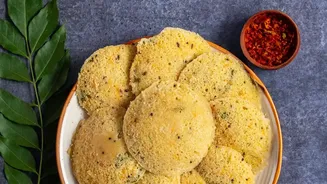
The true magic of the millet revival is seeing how seamlessly these grains are being integrated into beloved traditional dishes, especially steamed breakfasts that are both healthy and comforting. Instead of inventing new, complicated recipes, home cooks and innovative brands are simply swapping refined grains for millets in classic preparations. Soft, fluffy idlis are being made with Kodo millet or little millet, resulting in a lighter, more diabetic-friendly meal. Ragi is being used to create everything from instant dosas to delicate, string-hopper style semiya (vermicelli). Even the humble upma is getting a healthy makeover, with foxtail millet replacing semolina for a more fibrous and filling start to the day. These steamed dishes are easy to digest, low in oil, and deliver sustained energy, preventing the mid-morning slump often caused by sugary, processed foods.
Why Now? The Perfect Storm
This trend isn't happening in a vacuum. Several factors have converged to create the perfect environment for millets to thrive. The United Nations declaring 2023 as the 'International Year of Millets', an initiative championed by India, put these grains in the global spotlight. This spurred government support and public awareness campaigns. Simultaneously, a wave of health-conscious startups has emerged, making millets more accessible and convenient for urban consumers. These brands offer everything from millet flour and breakfast mixes to ready-to-eat snacks, removing the barriers of long soaking times and unfamiliar cooking methods that previously kept city dwellers away.
A Choice That Matters
Choosing to make millet idlis for breakfast does more than just benefit your health. It creates a ripple effect that supports a more sustainable food system. Increased demand for millets provides a better livelihood for small-scale farmers in dryland regions, where these hardy crops thrive. It promotes biodiversity in agriculture, moving away from the monoculture of wheat and rice that has strained resources like water. By bringing millets back to the table, urban consumers are forging a new connection with India's ecological and culinary wisdom, proving that what's ancient can also be the way of the future.