






The Great Monsoon Myth: No Sun, No Problem?
It’s a common belief in India that the grey, overcast skies of the monsoon season offer a natural shield from the sun. This leads many to store their sunscreen away, thinking it’s only necessary for bright, sunny days. However, this is a significant misconception.
Dermatologists consistently warn that UV (ultraviolet) radiation, the invisible culprit behind skin damage, doesn't take a vacation during the rains. The cool breeze and lack of direct heat can be deceptive, creating a false sense of security while the underlying risk remains.
Understanding the Invisible Threat: UVA vs. UVB
To understand why sunscreen is still essential, we need to know what we're fighting. The sun emits different types of UV rays, but two are of primary concern for our skin: UVA and UVB. UVB rays are responsible for the immediate, visible signs of sun damage, like sunburn. Their intensity does decrease on cloudy days. However, UVA rays, which have a longer wavelength, are the silent troublemakers. They penetrate deep into the skin, contributing to premature ageing, wrinkles, and long-term issues like hyperpigmentation. Crucially, UVA rays can easily pass through cloud cover and even window glass.
Why Clouds Aren't a Reliable Shield
Scientific studies show that up to 80% of the sun's UV rays can penetrate clouds. This means that on a typical cloudy day, your skin is still being exposed to a significant amount of radiation. In some situations, a phenomenon known as the 'broken cloud effect' can even scatter and amplify UV rays, making exposure higher than on a completely clear day. Furthermore, wet surfaces from the rain can reflect UV radiation, potentially increasing your overall exposure. Thinking of clouds as a foolproof sunblock is one of the biggest mistakes you can make for your skin during the monsoon.
Monsoon-Specific Challenges: Humidity and Rain
The Indian monsoon isn't just about clouds; it's about high humidity, sweat, and getting caught in sudden downpours. These factors present a real challenge for sunscreen application and efficacy. The sticky, humid weather can make heavy, creamy sunscreens feel uncomfortable and lead to clogged pores. More importantly, sweat and rain can wash away the protective layer, leaving your skin vulnerable. This is why choosing the right type of sunscreen and reapplying it correctly becomes even more critical during this season.
Your Monsoon Armour: Choosing the Right Sunscreen
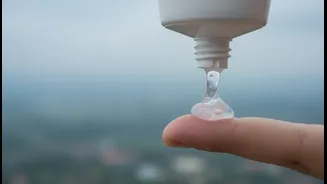
When shopping for a monsoon-friendly sunscreen, here’s what to look for. First, ensure it is ‘broad-spectrum,’ which means it protects against both UVA and UVB rays. An SPF of 30 or higher is recommended for adequate protection. Given the humidity, opt for lightweight, non-greasy formulations like gel-based or fluid sunscreens. These absorb quickly and are less likely to feel sticky or clog pores. Most importantly, your monsoon sunscreen must be ‘water-resistant’. This label indicates that the sunscreen will maintain its effectiveness for a specified period (usually 40 or 80 minutes) even when you sweat or get wet. Reapplication every two to three hours is still key, especially after being in the rain or toweling dry.