





The Problem With a High Bun
While a tightly wound top knot or a sleek high bun looks chic and polished, it concentrates the entire weight of your hair on a single point on your scalp. This constant, focused tension does more than just cause headaches. Over time, it can lead to a condition
known as traction alopecia, where the persistent pulling damages hair follicles, causing thinning and hair loss, particularly around the hairline. The strain can also weaken the hair shaft, leading to breakage. Many of us accept this discomfort as the price of a tidy updo, but there are styles that offer both elegance and relief.
1. The Classic Crown Braid
The quintessential halo braid, this style involves creating one or two long braids and wrapping them around the crown of your head, pinning them securely. Its genius lies in its structure. Instead of pulling from one spot, the classic crown braid distributes the weight of your hair evenly across the entire perimeter of your head. The tension is diffused, meaning no single area is under excessive strain. This makes it an incredibly secure and comfortable style for all-day wear, from a busy day at the office to a long evening of festivities. It keeps every strand in place without the painful pull of a traditional bun.
2. The Deconstructed Dutch Halo
For a softer, more bohemian look, the deconstructed Dutch halo is a perfect choice. This style starts with a Dutch braid (where the strands are crossed under, rather than over) worked around the hairline. The key to this version is 'pancaking' the braid—gently pulling on the edges of the plaits to make them wider and more voluminous. This technique not only creates a fuller, more romantic look but also helps further distribute the weight. The looser appearance is deceptive; the underlying braid provides a strong and stable foundation, making it both beautiful and practical for managing heavy hair.
3. The Twisted Rope Halo
If you struggle with complex braiding, the twisted halo offers a simpler yet equally effective alternative. This style involves splitting your hair into two sections, twisting each one into a tight 'rope', and then wrapping them around your head in opposite directions, pinning them as you go. The principle remains the same: the weight is spread across a larger surface area of the scalp. Twisting is often faster than braiding and creates a unique, elegant texture. It’s a fantastic option when you're short on time but still want a hairstyle that is secure, comfortable, and protects your hair from the strain of a concentrated updo.
4. The Half-Up Halo Braid
Not every day calls for a full updo. The half-up halo is a versatile and casual option that still provides significant relief. This style involves braiding or twisting only the top sections of your hair near the crown and securing them at the back of your head in a halo-like fashion. It effectively lifts the heaviest part of your hair—the front and crown sections—off your face and scalp, reducing strain while allowing the rest of your hair to flow freely. It’s the perfect compromise for a relaxed weekend, offering a touch of elegance without the commitment of a full updo, and it significantly lessens the pulling sensation at the front of your scalp.
5. The Embellished Festive Halo
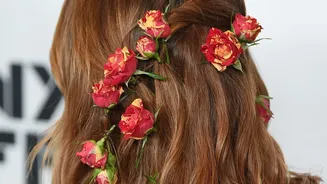
In India, festive and wedding attire often calls for elaborate hairstyles, but that doesn't have to mean uncomfortable ones. A halo braid provides a perfect, sturdy base for traditional and modern embellishments. Whether it’s a classic crown braid interwoven with a string of jasmine (gajra) or a twisted halo adorned with decorative pins and jewels, the style provides 360-degree support. The flowers and accessories can be pinned into the braid itself rather than pulling on a single point on the scalp. This allows for a grand, celebratory look that will remain comfortable and intact through hours of dancing and celebration, proving you don’t have to sacrifice comfort for tradition.