


As winter arrives, our bodies naturally crave warm, nourishing foods. Instead of reaching for heavy, processed options, consider turning to two of India's most ancient and familiar grains: bajra and ragi. These millets are winter warriors.
Why Millets Matter in Winter
During colder
months, our metabolism can become sluggish, and our bodies need more energy to stay warm. Millets are ideal for this season because they are complex carbohydrates that provide a steady release of energy, keeping you active and preventing the lethargy that winter often brings. Traditionally considered 'warming' foods, bajra and ragi help generate internal heat, supporting the body's natural temperature regulation. Packed with fibre, they also aid digestion, which can slow down with reduced physical activity in winter. Furthermore, their rich nutrient profile helps bolster the immune system against seasonal illnesses.
Bajra: The Pearl of Winter Grains
Bajra, or pearl millet, is a winter staple in many parts of India, especially in states like Rajasthan and Gujarat. According to Ayurvedic principles, it is considered a 'hot' food, meaning it naturally generates body heat during digestion, making it perfect for cold weather. Bajra is a nutritional powerhouse, rich in iron, magnesium, and phosphorus, which are crucial for overall health and immunity. Its high iron content helps combat anaemia, while its complex carbs ensure sustained energy release, making it ideal for staving off winter fatigue. Being naturally gluten-free, it's an excellent option for those with gluten sensitivity or celiac disease. The fibre in bajra not only prevents constipation but also helps manage cholesterol levels.
Ragi: A Nutrient-Dense Powerhouse
Ragi, also known as finger millet, is celebrated for its exceptional nutritional value. It is one of the richest plant-based sources of calcium, containing about ten times more than brown rice. This makes it particularly beneficial during winter when joint stiffness can increase and Vitamin D levels may drop due to less sun exposure. While some Ayurvedic texts classify ragi as having a cooling nature, its preparation determines its effect; when consumed in warm dishes like porridges or rotis, it provides sustained energy and comfort. Ragi is also loaded with dietary fibre, which promotes a feeling of fullness and can aid in weight management by reducing the urge for frequent winter snacking. Its impressive profile of amino acids, iron, and antioxidants further helps in repairing tissues and boosting immunity.
Easy Ways to Enjoy Bajra and Ragi
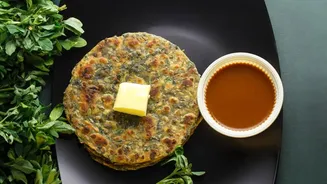
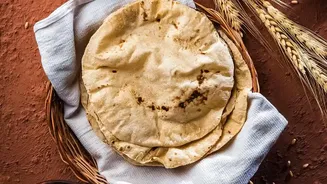
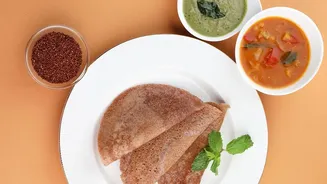
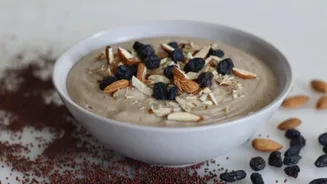
Incorporating these millets into your diet is simple and delicious. Bajra is most famously used to make 'bhakri' or rotis, which pair wonderfully with winter curries and a dollop of ghee. For a comforting one-pot meal, a hearty 'bajra khichdi' with vegetables is an excellent choice. You can also try a warm bajra porridge or 'raab', a traditional soup_like beverage that is both warming and nourishing. Ragi is just as versatile. Start your day with a warm bowl of ragi porridge (malt), sweetened with jaggery and garnished with nuts. Ragi flour can be used to make soft dosas, idlis, and nutrient_dense laddoos that serve as perfect energy bites. For a wholesome dessert, a warm 'ragi halwa' slow_cooked with ghee and nuts is a comforting winter treat.