







What is Hidden Hunger?
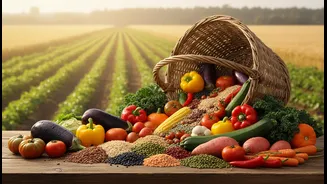
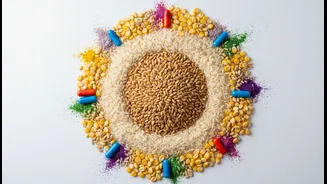
Hidden hunger, or micronutrient deficiency, is a form of malnutrition that occurs when the quality of food people eat does not meet their nutrient requirements. Even if a person consumes enough calories to feel full, their diet may lack crucial vitamins
and minerals like iron, zinc, and Vitamin A. This deficiency is often invisible, showing no obvious signs of hunger, but its consequences are severe. It can weaken the immune system, stunt physical and intellectual development in children, and reduce overall productivity in adults. Affecting an estimated two billion people globally, it's a widespread crisis, particularly in communities that rely heavily on a small number of staple crops like rice and wheat, which are often energy-dense but poor in micronutrients.
The Problem with Uniformity in Farming
Modern agriculture has often favoured monoculture, the practice of growing a single crop over a large area, year after year. In India, this is prominent in regions known for rice and wheat cultivation. While this approach can simplify farming and boost yields of specific commodities, it comes with significant long-term risks. Growing the same crop repeatedly depletes specific soil nutrients, leading to soil degradation and a greater dependency on chemical fertilisers. Uniform fields are also highly vulnerable to pests and diseases, which can spread rapidly and devastate an entire harvest. This lack of diversity not only makes farms fragile but also directly contributes to hidden hunger by limiting the variety of foods available for local consumption.
Crop Diversity: Nature’s Insurance Policy
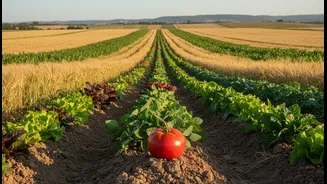
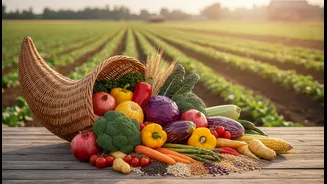
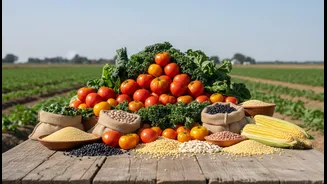
The antidote to the fragility of monoculture is crop diversification. This means cultivating a variety of crops in the same field or in rotation. Practices like intercropping (planting multiple crops together) and agroforestry (integrating trees with crops) are prime examples. This approach mimics natural ecosystems, creating a more balanced and robust farming system. Different crops have different nutritional profiles and growing seasons, ensuring a more stable and varied food supply throughout the year. Studies in India have shown a positive association between crop diversity and dietary diversity, especially for children. By planting a mix of cereals, pulses, vegetables, and fruits, farmers can directly improve the nutritional quality of their family's diet.
Building Resilient Farms
Farm resilience is the ability to withstand shocks like extreme weather, pest outbreaks, or market price fluctuations. Crop diversity is a cornerstone of this resilience. If one crop fails due to drought or a specific disease, others may survive, providing a crucial safety net for the farmer's income and food supply. Diverse planting also improves soil health. For instance, planting legumes like pulses can naturally fix nitrogen in the soil, reducing the need for synthetic fertilisers and benefiting subsequent crops. Healthier soil retains water more effectively and supports a wider range of beneficial microbes and insects that help control pests naturally. This creates a self-sustaining system that is less dependent on costly external inputs and better equipped to handle climate uncertainty.
Revitalising India's Rural Diets
For many rural households in India, what is grown on the farm directly influences what is eaten at home. A shift away from monocultures of wheat and rice towards a broader mix of traditional crops can have a profound impact on nutrition. Including millets, for example, which are highly nutritious and drought-resistant, can enhance food security and dietary quality. Studies have found that a higher degree of food crop diversification is linked to a reduced probability of undernutrition. Promoting the cultivation of a variety of local fruits and vegetables ensures that essential micronutrients become a regular part of the daily diet, directly combating hidden hunger at its source. This connection highlights that agricultural policy is also health policy.