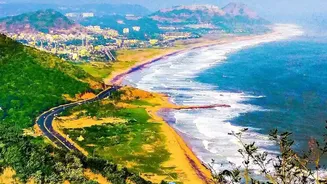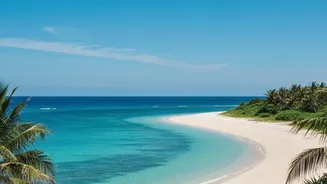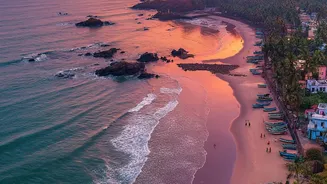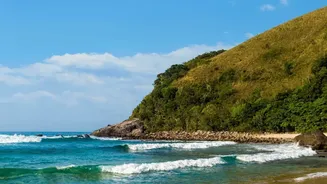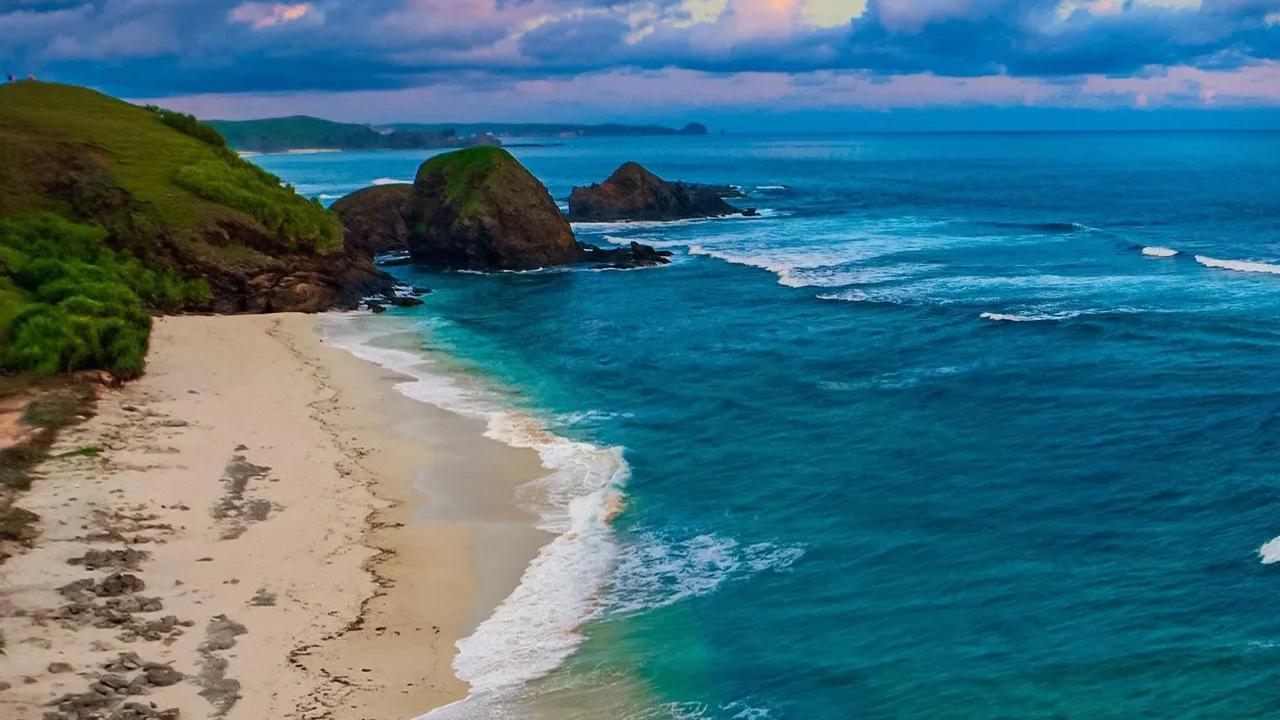





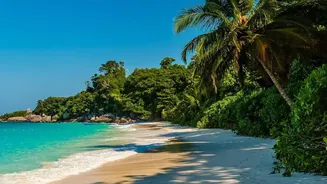


In a state celebrated for its vibrant coastline, two of Goa's beaches have earned a prestigious international nod for their exceptional peace and pristine conditions. Mandrem and Galgibaga have officially received Blue Flag certification.
A Global Stamp of Approval
The Blue Flag
award is one of the world's most recognised voluntary eco-labels awarded to beaches, marinas, and sustainable boating tourism operators. Administered by the Foundation for Environmental Education (FEE), the certification is a mark of excellence, signifying that a beach meets stringent criteria related to water quality, environmental management, safety, and educational information. For Mandrem in North Goa and Galgibaga in South Goa, receiving this honour for the 2026-27 season places them on a global map of exceptionally well-maintained and environmentally sound coastal destinations. The award highlights a growing focus on sustainable tourism within the state, balancing visitor experience with crucial conservation efforts.
Spotlight on Mandrem: The Quiet North
Often overshadowed by the bustling energy of its northern neighbours, Mandrem Beach has long been a sanctuary for those in the know. Located between Ashwem and Arambol, it offers a serene expanse of sand that feels a world away from the party hubs. The beach is known for its scenic shoreline and rich coastal vegetation. Its relatively calm and shallow waters make it a favourite for families and those looking to simply relax. Unlike the dense rows of shacks found elsewhere, Mandrem maintains a more laid-back, boutique feel, with a focus on yoga, wellness, and quiet enjoyment. The Blue Flag status recognises its clean environment and peaceful atmosphere, confirming its reputation as a tranquil escape in North Goa.
How to Enjoy Mandrem's Peace
To truly appreciate Mandrem, embrace its slower pace. The beach is perfect for long, uninterrupted walks, especially at sunrise or sunset. Small wooden bridges cross a creek that runs parallel to the shore, adding to its picturesque charm. While it is quieter, there are still enough quality cafes and shacks to provide delicious food and a comfortable place to lounge without the overwhelming crowds or loud music. The vibe here is less about high-energy water sports and more about swimming in the gentle waves, practising yoga at a drop-in class, or simply reading a book with the sound of the ocean as your soundtrack. It’s an ideal spot for travellers who want the beauty of North Goa without the noise.
Galgibaga: The Untouched Turtle Haven
In the far south of Goa, near the border with Karnataka, lies Galgibaga Beach. Its inclusion on the Blue Flag list is significant not just for its beauty but for its ecological importance. Galgibaga is one of Goa's protected nesting sites for the vulnerable Olive Ridley sea turtle. This has kept development to a minimum, preserving its raw, undisturbed character. The beach is a wide, clean stretch of golden sand, backed by swaying casuarina trees, with very few commercial structures. Its remote location and protected status mean it is one of the quietest and least crowded beaches in the entire state, offering a glimpse of what Goa's coastline was like decades ago.
A Guide to Visiting Galgibaga Responsibly
Visiting Galgibaga comes with a special responsibility. The turtle nesting season typically runs from November to March. During this time, it is crucial to be mindful of the protected nesting areas, which are usually marked off by the Forest Department. Loud noise and artificial lights like phone torches or camera flashes are discouraged after dark as they can disorient the nesting turtles and hatchlings. The reward for this respectful approach is the opportunity to experience a truly wild and serene piece of nature. There are a few small, family-run shacks at the southern end offering fresh seafood. Otherwise, the main activity here is to simply swim, walk, and absorb the profound tranquility of this special place.