



As the crisp winter air settles across North India, our balconies can look a bit bare. But the cooler months are the perfect opportunity to create a vibrant floral oasis that brightens up even the greyest of days and transforms your mood along with your space.
Pansy: The Cheerful Face of Winter
Pansies are a winter classic for a reason. Their charming 'faces' come in a dazzling array of colours and can withstand the North Indian chill, and even a light frost, with ease. They are perfect for pots and hanging baskets, adding a splash of cheer to any space. Pansies love the winter sun, so place them where they can get at least 4-6 hours of direct sunlight. Water them when the top inch of soil feels dry, but avoid making the soil soggy, as they dislike consistently wet roots. A well-draining potting mix is key to keeping them happy throughout the season, and they will reward you with continuous blooms until the weather heats up in spring.
Petunia: A Cascade of Colour
For a truly dramatic display, look no further than petunias, often called the queen of winter balcony gardening. These trumpet-shaped flowers are available in countless shades, from pure white to deep velvet purple, and many bi-coloured varieties. The trailing or 'cascading' types are particularly stunning in hanging baskets, spilling over the sides in a waterfall of colour. Petunias are sun-lovers and need at least six hours of direct sunlight to produce an abundance of flowers. They are also heavy feeders, so mixing compost into your soil and using a liquid fertiliser every few weeks will ensure a spectacular show. Keep the soil consistently moist but not waterlogged for best results.
Calendula: The Sunny Pot Marigold
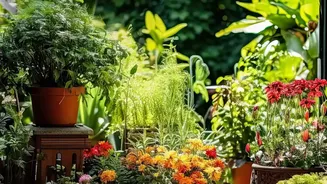
Often called pot marigold, Calendula is one of the easiest and most resilient winter flowers to grow, making it ideal for beginners. Its bright yellow and orange daisy-like flowers are like little drops of sunshine on a cold day. Not only is it beautiful, but its petals are also edible and it is known for its medicinal properties. Calendula thrives in full sun but can tolerate partial shade, making it versatile for different balcony conditions. It's not fussy about soil, as long as it drains well, and it requires only moderate watering. To encourage more flowers to grow, be sure to pinch off the spent blooms, a practice known as deadheading.
Dahlia: The Showstopping Bloom
While many associate dahlias with summer, several smaller, compact varieties are perfect for growing in pots during the milder North Indian winter. These showstoppers produce intricate, geometric blooms that can be the centerpiece of your balcony garden. From pom-pom shapes to spiky cactus-flowered types, there's a dahlia for every taste. For balcony gardeners, dwarf varieties like the 'Gallery' series are an excellent choice as they are specifically bred for containers. They require rich, well-draining soil and a spot that receives plenty of morning sun. Consistent watering is crucial when they are in bloom, and larger flowers might need a small stake for support.
Marigold: The Festive Favourite
No Indian garden feels complete without the vibrant presence of marigolds (genda). While common yearround, certain varieties flourish in the winter sun, bringing their auspicious and cheerful energy to the festive season. Their bright orange and yellow pompoms are incredibly easy to grow and are famously lowmaintenance, even tolerating some neglect. They are excellent for container gardening and can help keep pests away from your other plants. Just give them a sunny spot with at least six hours of light, water them regularly, and they'll bloom profusely. Pinching off the first few buds can encourage a bushier plant with even more flowers.
Geranium : The Resilient AllRounder
Geraniums are a fantastic choice for North Indian balconies as they offer both attractive foliage and clusters of vibrant flowers in shades of red, pink, white, and orange. They are quite resilient and can handle the temperature fluctuations of a typical winter. These plants prefer a sunny location but will also do well in partial shade. The key to successful geranium care is to allow the soil to dry out between waterings, as they are susceptible to root rot if overwatered. They are relatively lowmaintenance and will continue to provide colour and texture from autumn through spring, making them a reliable workhorse for any balcony garden.