


Why Succulents Are Perfect for Beginners
Succulents are plants that have adapted to survive in arid conditions by storing water in their leaves, stems, or roots. This makes them incredibly resilient and forgiving, which is great news for new plant owners. Their small size makes them ideal for apartment
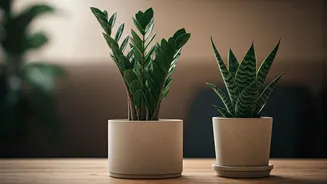
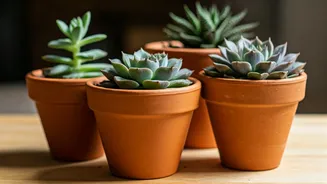
balconies, windowsills, and office desks. From the classic rosette shape of an Echeveria to the trailing 'String of Pearls' or the architectural spikes of a Haworthia, there is a stunning variety to choose from. Their main requirements are simple: plenty of indirect light and a strict policy against overwatering. They are the ultimate 'less is more' plants, rewarding minimal fuss with steady, beautiful growth.
Sourcing Plants on a Budget
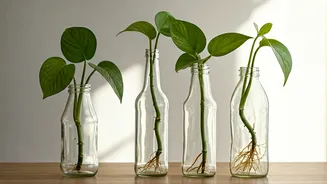
Your journey begins with the plant itself, but you don't need to visit a high-end boutique. The most cost-effective way to get started is by asking friends or neighbours for a 'cutting' or a 'pup' (a small offset plant). Succulents are famously easy to propagate from a single leaf or stem. Simply let the cut end dry for a day or two and then place it on top of soil. Your local nursery is another excellent source. You can often find small, healthy starter plants for a very low price—far cheaper than larger, established ones sold online or in malls. Look for plants with firm, vibrant leaves and no signs of pests or mushy spots.
The Art of the Low-Cost Pot
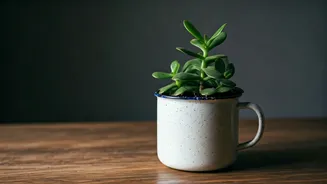
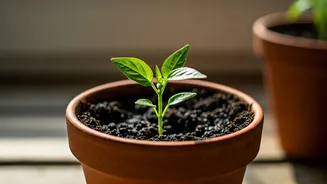
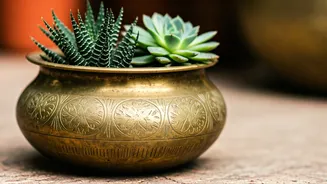
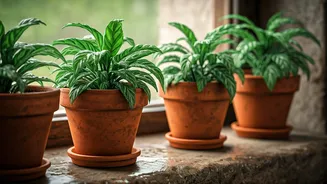
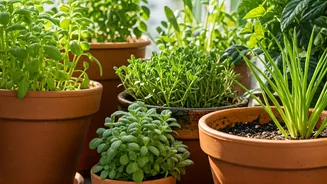
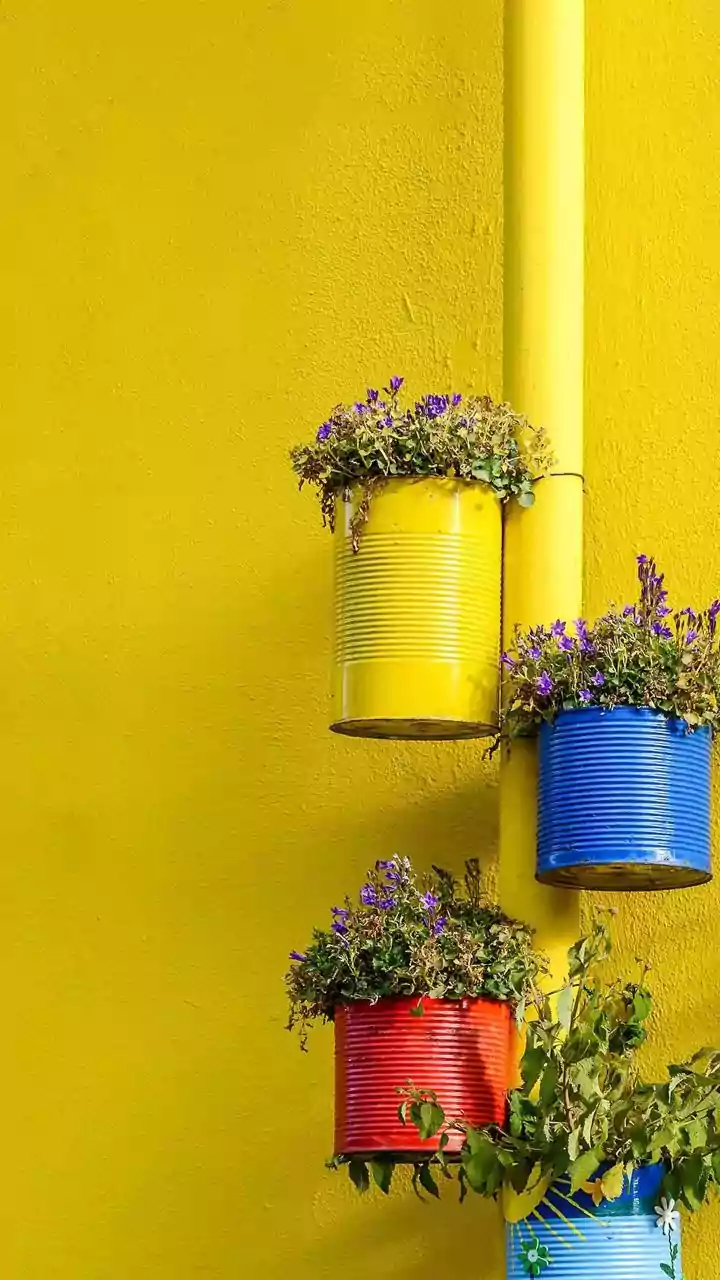
You don't need fancy ceramic pots. The most important feature of any succulent container is drainage. Without a hole at the bottom, water will sit and cause the roots to rot—the number one killer of succulents. This is where your creativity can shine. Old teacups, coffee mugs, empty tin cans, or even sturdy plastic food containers can be transformed into charming planters. For ceramic or plastic, you can carefully drill a hole in the bottom. If using a tin can, simply punching a few holes with a nail and hammer works perfectly. Even a simple terracotta 'matka' or 'diya' from a local potter makes a fantastic, breathable home for a succulent. The rustic look is a bonus!
DIY Succulent Soil: Better and Cheaper
Bagged 'succulent and cactus mix' is convenient but can be expensive and is not always necessary. You can easily create a superior, well-draining soil mix yourself using inexpensive ingredients. The goal is to create a gritty medium that doesn't hold onto too much water. A fantastic basic recipe is to mix two parts regular garden soil or cocopeat, one part coarse sand (like construction sand, which should be rinsed), and one part perlite or small pebbles for aeration. This mix provides some nutrients but primarily focuses on drainage, preventing the soil from becoming a soggy mess. This simple DIY blend will keep your succulents much happier than standard potting soil alone.
The Golden Rules of Care
Once potted, your main job is to mostly leave your succulent alone. Place it in a spot where it gets at least four to six hours of bright, indirect sunlight, like an east-facing window or a bright balcony. Direct, harsh afternoon sun can scorch the leaves of some varieties. The most crucial rule is about watering. Wait until the soil is completely dry before watering again. When you do water, drench the soil thoroughly until water runs out of the drainage hole, then let it drain completely. For most indoor environments in India, this could mean watering once every 10-15 days, or even less during monsoon season. Always check the soil first; if it feels even slightly damp, wait.