
Monsoon Gardening: A Quick Guide
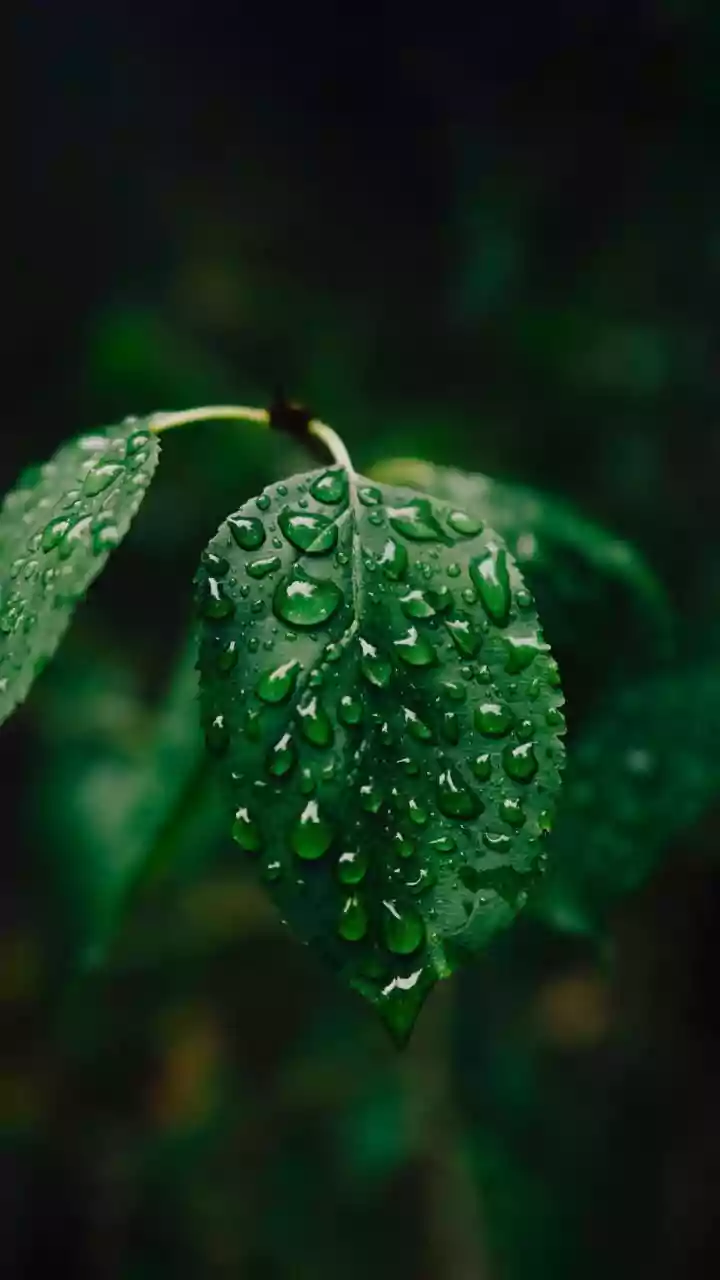
Gardening during the Indian monsoon (typically June to September) is a unique experience. The air is thick with humidity and you'll rarely need to water your plants manually. [2] However, the season also brings challenges like waterlogged soil and fungal
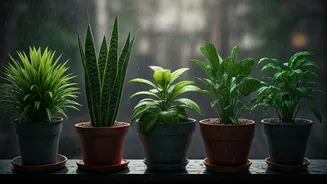
diseases. [2, 10] The key to success is choosing the right plants and ensuring your pots have excellent drainage. A well-draining potting mix is crucial, and you can elevate pots on bricks or stands to let excess water escape freely. [10, 12] With these basics in place, you can create a thriving garden that bursts with life all season long. [2]
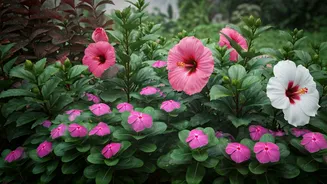
Hibiscus: The Tropical Star
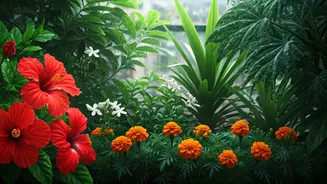
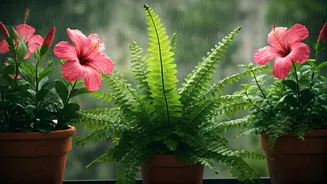
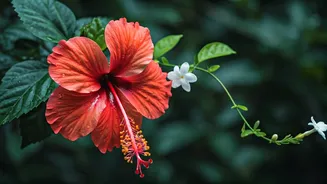
Known for its large, vibrant flowers, the hibiscus is a quintessential monsoon plant that loves humidity. [9] Available in shades of red, pink, and yellow, it brings a cheerful, tropical feel to any balcony. Plant your hibiscus in nutrient-rich, well-draining soil and place it where it can receive direct morning sun. [9] While it loves moisture, waterlogging can cause root rot, so good drainage is essential. [9, 10] The rapid growth spurred by the rains makes early monsoon a great time to prune the plant, which helps in shaping it and encouraging more flowers. [9]
Jasmine (Mogra): Fragrance in the Rain
There are few things more magical than the scent of jasmine on a rainy evening. Mogra, a popular variety of jasmine, is a classic monsoon-loving plant that produces intensely fragrant white flowers. [2, 19] It grows well in pots and can be supported by a small trellis. [19] Jasmine thrives with at least four to five hours of sunlight and regular watering, but like other monsoon plants, it requires soil that drains well to prevent its roots from sitting in water. [7, 19] Its fragrant blooms will make your balcony a sensory delight throughout the season.
Marigold: The Hardy Protector
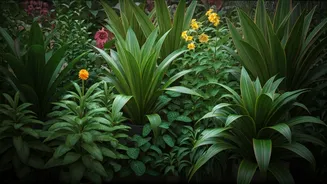
Marigolds are one of the hardiest and most rewarding flowers for a monsoon garden. [13] Their bright yellow and orange blooms can brighten up even the gloomiest of rainy days. [3] More than just a pretty face, marigolds are natural pest repellents, helping to protect your other plants from common monsoon insects like mosquitoes. [3, 13] They can withstand wet conditions as long as their pots have good drainage. [15] Easy to grow and maintain, they are an excellent choice for both beginner and experienced gardeners. [13]
Rain Lily: The Magical Bloomer
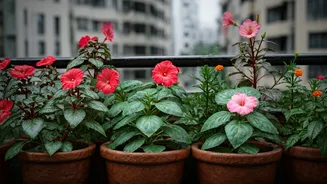
As their name suggests, Rain Lilies are small, enchanting plants that produce delicate flowers right after a rainfall. [3, 15] These bulbous plants are perfectly suited for the monsoon, offering surprising bursts of pink, white, or yellow blooms. [15, 16] They require minimal care and are ideal for growing in small or shallow pots, making them perfect for compact urban balconies. [3, 15] A pot of rain lilies can add a touch of unexpected magic to your garden, rewarding you with fresh flowers after every shower. [16]
Balsam and Periwinkle: The Non-Stop Bloomers
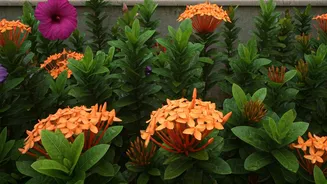
For continuous colour, Balsam (Gul-Mehandi) and Periwinkle (Sadabahar) are excellent choices. Balsam grows profusely in the moist conditions of the rainy season, producing cheerful flowers. [15] Periwinkle is another incredibly low-maintenance option that tolerates heavy rain and blooms consistently throughout the year, working well in both full and partial sun. [15] Both plants are hardy and can provide a steady stream of colour and life to your balcony when other plants might be taking a break.
Edibles: Greens and Vegetables
The monsoon is also a fantastic time to grow your own food. [2] Many leafy greens and vegetables thrive in the damp, humid weather. You can easily grow herbs like mint and coriander, or leafy greens like spinach (palak), in railing planters or small pots. [2, 3] If you have a bit more space and sunlight (at least 5-6 hours), you can try vegetables like okra (bhindi), chillies, and brinjal, which all grow well in containers during this season. [4] There's nothing quite like harvesting your own fresh produce for a monsoon meal.