



The 'Ripeness Spectrum' Strategy
The key to avoiding the all-at-once ripening problem is to think of your grocery list as a timeline. Instead of grabbing a bunch of produce that all looks ready to eat today, you intentionally select items at various points of ripeness. This means picking
up a few ready-to-eat items for the next couple of days, some that will be perfect mid-week, and others that are still firm or green and will ripen just in time for the following weekend. This strategic approach not only prevents food from spoiling before you can get to it but also saves you money and reduces food waste. An average family can spend a significant amount on food that goes uneaten each year, and spoiled produce is a major contributor. By planning for ripeness, you ensure every fruit and vegetable you buy gets used.
How to Judge Ripeness in the Aisles
Becoming a savvy produce picker involves using more than just your eyes. For many fruits, gentle pressure is the best indicator. An avocado or a peach that yields slightly to a soft squeeze is ready to eat, while a firmer one needs a few more days. Colour is another crucial clue. Bananas, for example, move from green (unripe) to bright yellow (ripe) to speckled with brown (very ripe and great for baking). Smell can also be a tell-tale sign; a fragrant melon or pineapple often signals it's ripe and ready. Don’t be afraid to pick up and feel your produce. Look for items that are free of major bruises or soft spots, which can lead to faster decay, but don't shy away from slightly imperfect-looking items that are otherwise healthy.
Best Fruits for This Method
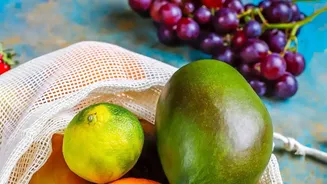
Certain fruits are perfect candidates for this staggered buying approach because they continue to ripen after being picked. These are known as climacteric fruits. Avocados are the classic example; buy a couple that are rock-hard for later in the week and one that has a slight give for tomorrow's toast. Bananas are another excellent choice; grab a bunch that’s still a bit green at the tips to last longer. Stone fruits like peaches, plums, and nectarines also cooperate beautifully. Select a few fragrant, softer ones for now and some firmer ones that will ripen on your counter over the next several days. Pears follow the same rule—buy them firm and let them finish softening at home. This way, you can enjoy them throughout the week without them all turning soft at once.
Smart Storage to Control Ripening
Once you get your produce home, storage is everything. Many fruits, including apples, ripe bananas, and avocados, produce ethylene gas, a natural plant hormone that accelerates ripening. You can use this to your advantage. To speed up a rock-hard avocado or peach, place it in a paper bag, which traps the ethylene gas. Adding an apple or a ripe banana to the bag will speed things up even more. Conversely, to slow down ripening, you need to separate the ethylene producers from the ethylene-sensitive items. Don't store your apples next to your broccoli or carrots, as the gas from the apples can cause the vegetables to yellow or become bitter. Most ripe fruits should be moved to the refrigerator to halt the ripening process and extend their life, but keep tomatoes on the counter, as refrigeration can make them mealy.