
Peering Through the Cosmic Curtain
Imagine trying to see a candle flicker through a dense fog. That’s the challenge astronomers face when looking for the universe’s first stars. The vast distances are one problem, but another is cosmic dust. Huge clouds of gas and dust fill the space between
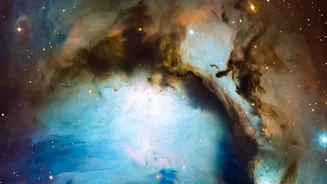
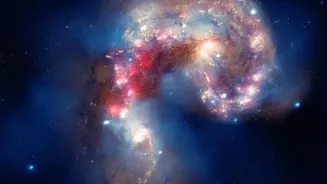
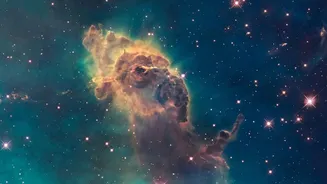
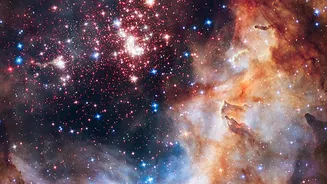
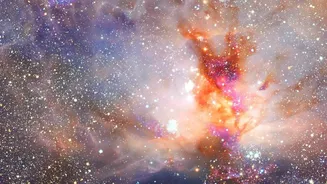
stars and galaxies, acting like a celestial screen that blocks visible light. This is especially true in stellar nurseries, the very places where new stars are born from collapsing clouds of matter. For centuries, these crucial moments of creation were hidden from us, shrouded in dust. To see what’s happening inside, scientists needed a different kind of light, one that could pass through the cosmic fog unhindered.
The Power of Infrared Light
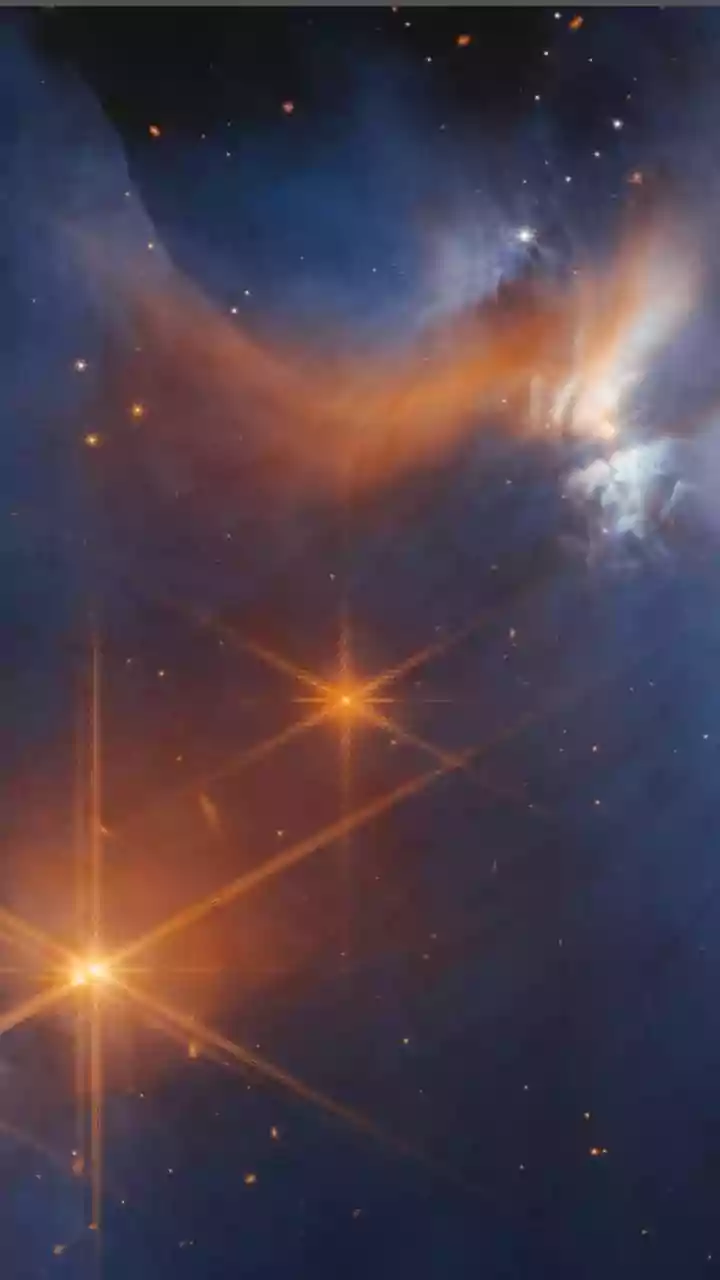
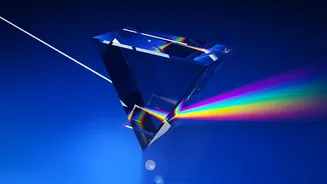
The solution is infrared, a wavelength of light longer than what our eyes can see. While visible light gets scattered or absorbed by tiny dust particles, longer infrared waves can pass through them more easily. This allows telescopes equipped with infrared detectors to peer directly into dusty star-forming regions that are otherwise opaque. There's another critical reason infrared is key: the expansion of the universe. As the universe expands, light from the most distant objects gets stretched out on its long journey to us. This phenomenon, called 'redshift', shifts light that was originally visible or ultraviolet into the infrared spectrum by the time it reaches our telescopes. Therefore, to see the first galaxies, we must look for their ancient, redshifted infrared glow.
A New Window on the Universe
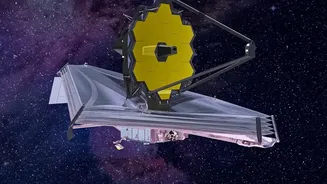
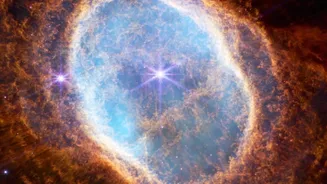
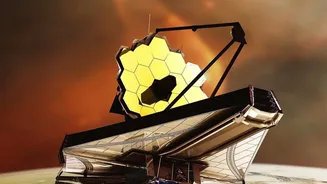
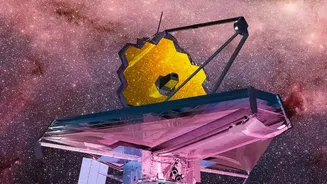
Telescopes like the James Webb Space Telescope (JWST) are revolutionary because they are specifically designed to see the universe in infrared with incredible sensitivity. Positioned in space, they avoid the interference of Earth's atmosphere, which blocks some infrared light. Their sophisticated instruments, like the Near-Infrared Camera (NIRCam) and Mid-Infrared Instrument (MIRI), are essentially advanced heat detectors. They can capture the faint thermal energy from the dawn of time, converting it into the stunning images that are reshaping our understanding of the cosmos. These cameras are so sensitive they can spot the glow of stellar nurseries and even the heat from forming planets.
What Are 'Deep Fields'?
To find the oldest and most distant objects, astronomers point telescopes like Webb at a tiny, seemingly empty patch of sky for days on end. This long-exposure method, which created the famous 'deep field' images, allows the camera to collect the faintest, most distant light. The result is not an empty image, but one filled with thousands of galaxies, some seen as they were over 13.5 billion years ago. To enhance this effect, astronomers often use a natural magnifying glass. Massive galaxy clusters in the foreground can bend and magnify the light from objects directly behind them, a phenomenon called gravitational lensing. This allows Webb to see objects that would otherwise be too faint and far away.
Nurseries of the First Stars
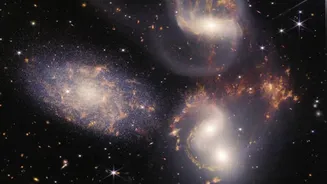
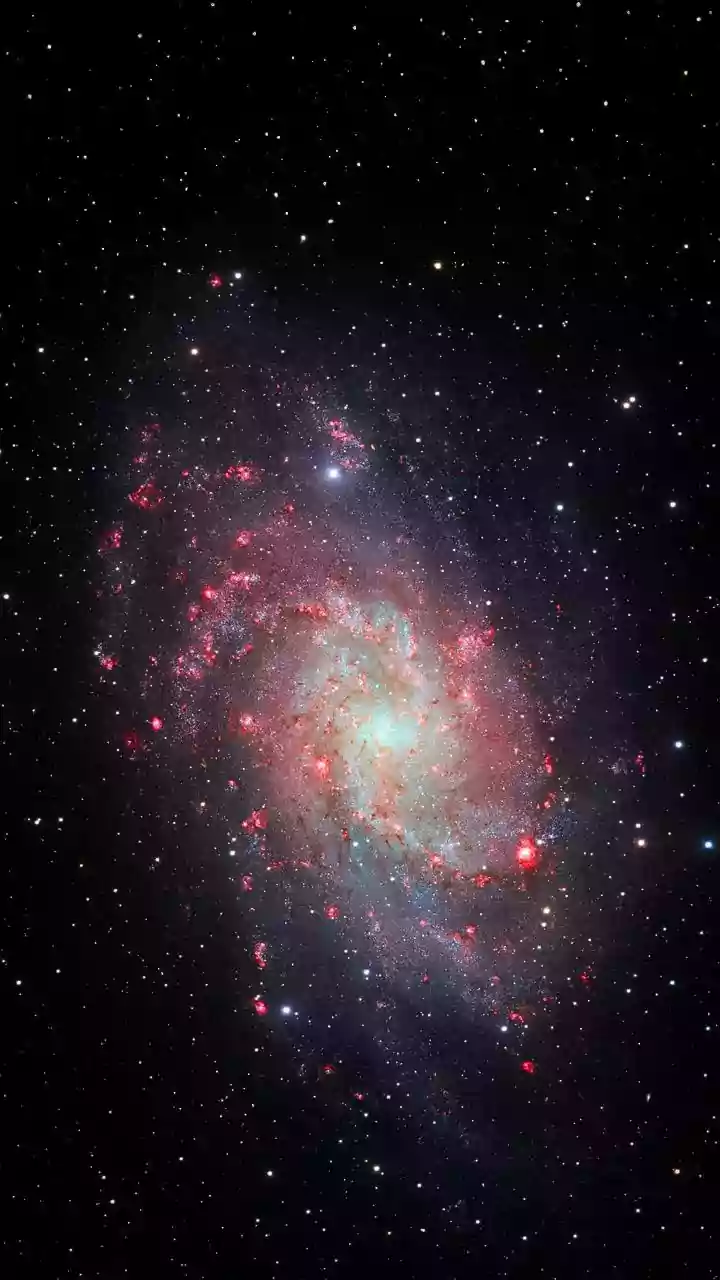
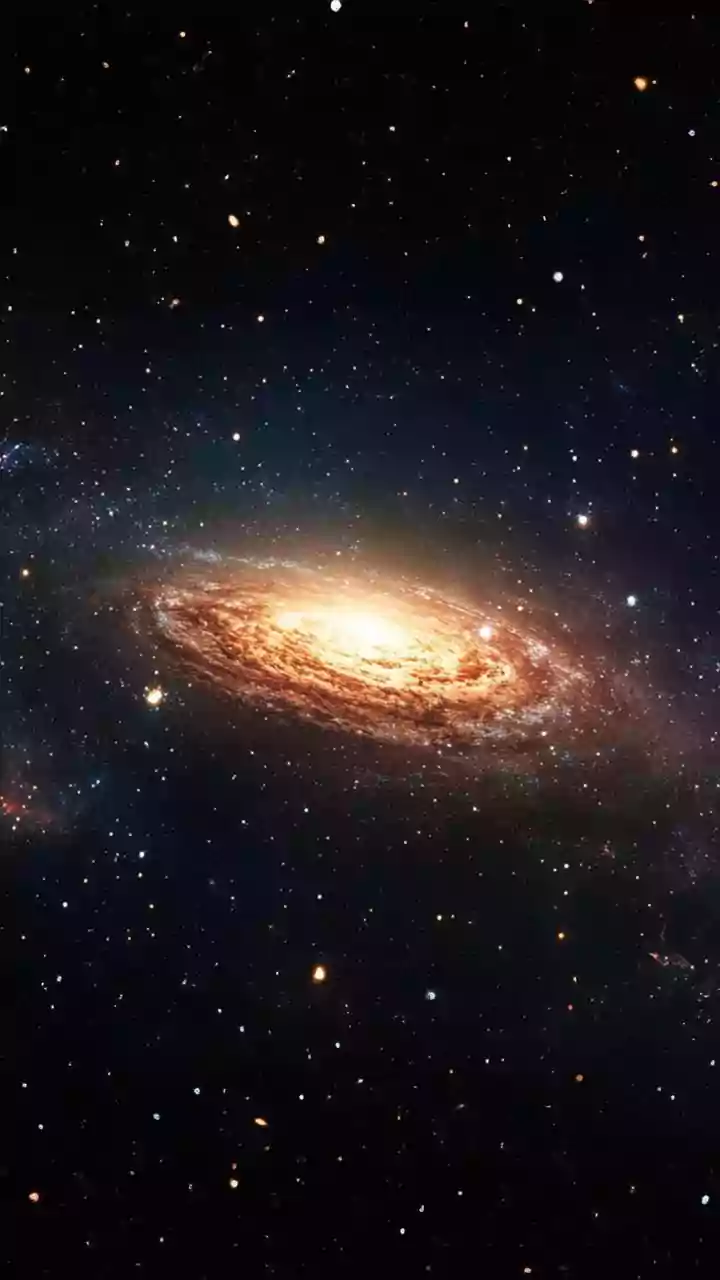
With these technologies combined, we are finally witnessing the era of the first stars. Recent discoveries have pointed to what may be Population III stars—the very first generation born after the Big Bang, composed only of hydrogen and helium. Webb's observations show that the early universe was a chaotic place, with star formation happening in intense, rapid bursts rather than a gradual process. These early galaxies were often flat and elongated, not the grand spirals we see today. By analyzing the light from these protogalaxies, scientists have identified stars far hotter than those in our modern universe, providing a missing link in the story of galactic evolution.