



1. Start with Statement Seating
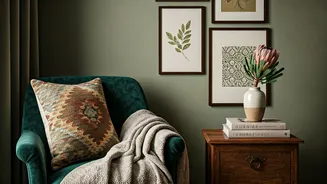
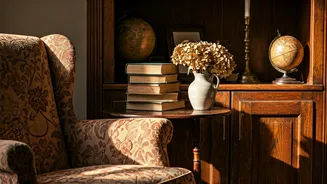
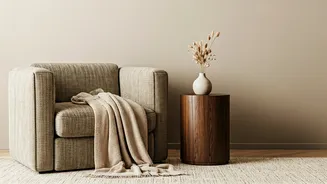
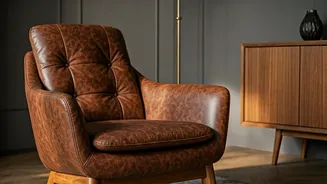
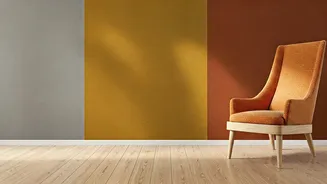
One of the quickest ways to introduce vintage charm is with a single piece of statement seating. Think of an armchair with a unique silhouette, a carved wooden bench in the entryway, or mid-century modern dining chairs. [8, 17] These pieces serve as functional
art and a natural focal point. [2, 3] Designers suggest building the room around one standout item, pairing an antique chair with a modern sofa or minimalist decor to create a beautiful contrast that feels intentional and curated. [2, 6, 12] This approach prevents the space from feeling cluttered and allows the story of the vintage piece to shine. [2]
2. Illuminate with Timeless Lighting
Lighting is like the jewellery of a room, and a vintage fixture can have a transformative effect. Designers often look for pieces with interesting shapes, patina, and quality materials that have an impact whether the light is on or off. [17] A Murano glass chandelier, a brass table lamp, or industrial-style sconces can add warmth and a sense of history. [14, 19] Don't be afraid to mix eras by placing a contemporary fixture over an antique table or vice-versa. [19] If you find a piece with outdated wiring, a professional electrician can easily update it, making it a safe and stylish addition. [24]
3. Layer with Heirloom Textiles and Rugs
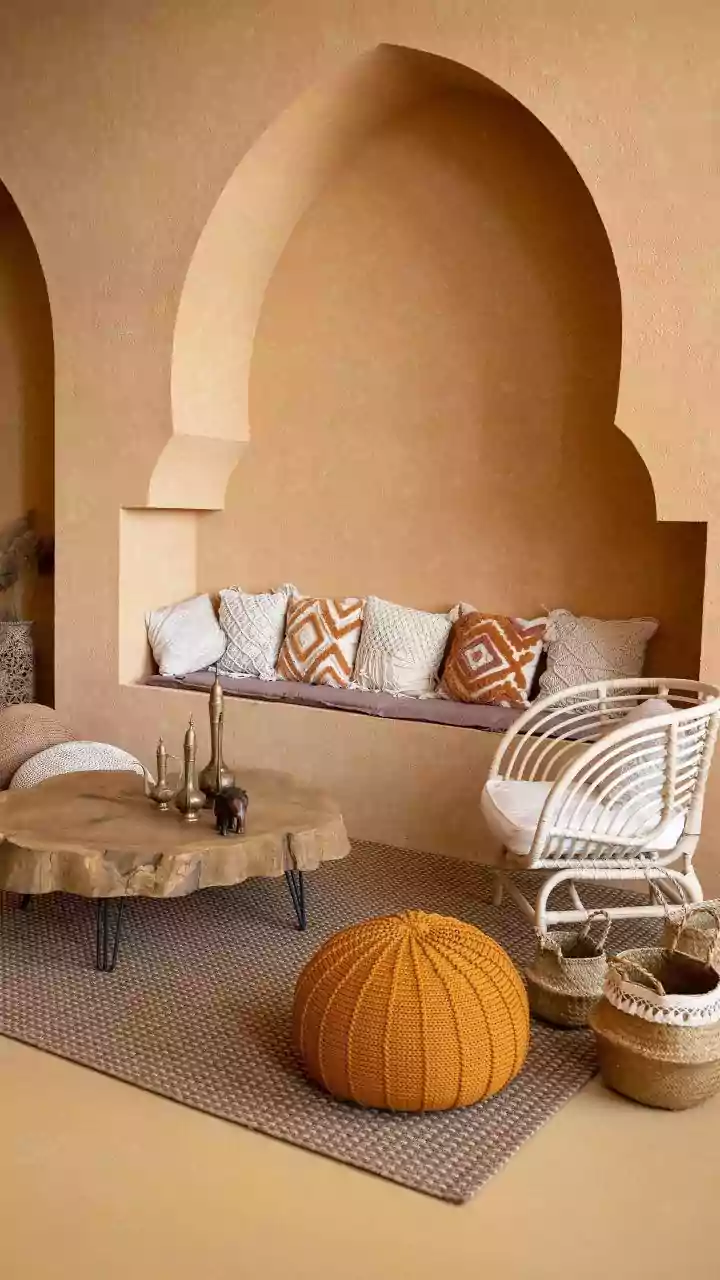
Textiles are essential for adding warmth, texture, and colour. Vintage rugs, in particular, are prized by designers for their durability and intricate, handwoven patterns. [6, 24] A vintage Persian or Turkish rug can anchor a living room, adding a rich story and pattern that new rugs often try to imitate. [2, 6] Beyond the floor, consider antique tapestries, embroidered pillows, or heirloom quilts draped over a bed or sofa. [6, 18] These items soften modern lines and infuse a space with a cosy, collected feeling. [17]
4. Reflect History with Aged Mirrors
An antique mirror does more than just reflect light; it adds depth and artistry to a wall. [18] Designers seek out mirrors with ornate frames, gilded details, or glass with a bit of patina—those subtle imperfections that tell a story. [1, 18] A large, antique mirror can serve as a stunning focal point above a mantel or console table, while a collection of smaller vintage mirrors can create an eye-catching gallery wall. [3, 16] They act as a piece of art that is also functional, making a room feel both bigger and more soulful.
5. Focus on Small, Meaningful Objects
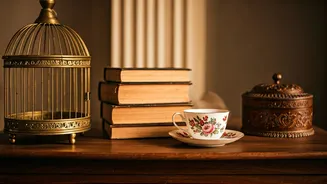
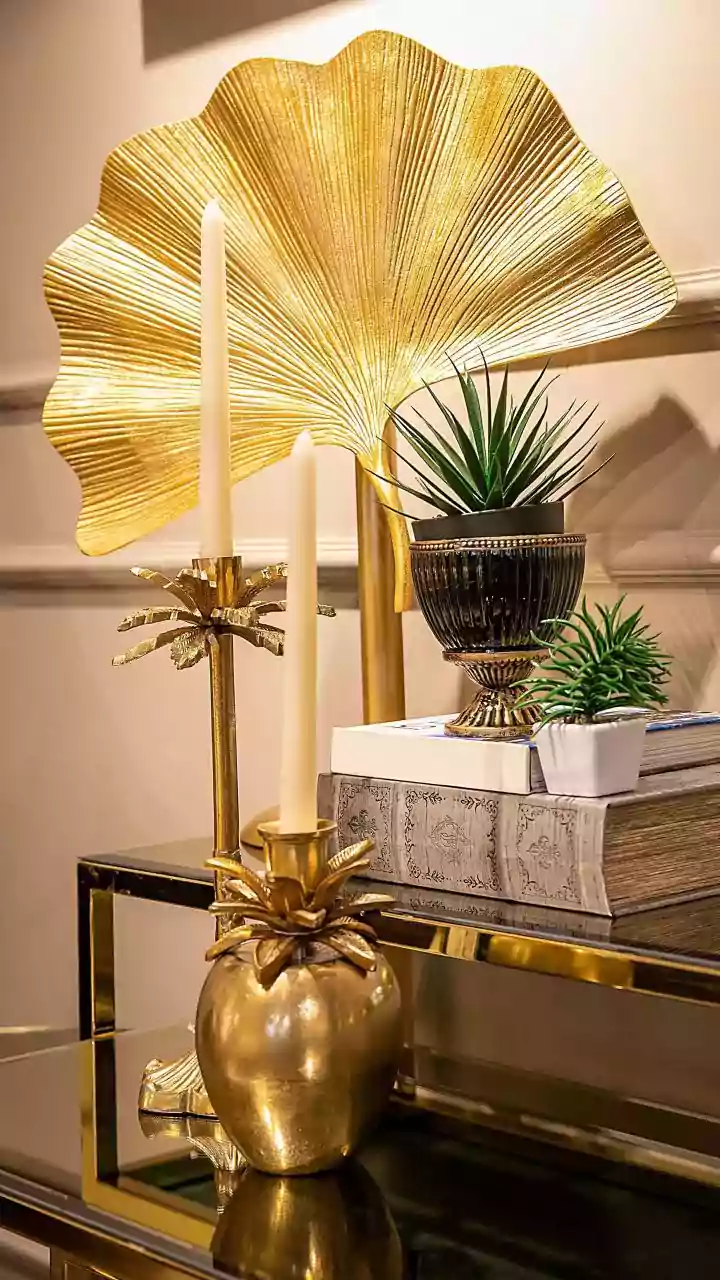
If you're not ready to commit to a large furniture item, start small. [2, 6] Small details can have a significant impact. [9] Hunt for vintage art, which designers overwhelmingly agree is one of the best items to thrift. [23] A small, signed painting or a quirky sketch brings a one-of-a-kind personality to a space. [23] Other items to look for include vintage pottery, brass candlesticks, a stack of old books, or unique copper or silver pieces. [1, 25] These objects are perfect for styling shelves and side tables, adding a layer of authenticity and sparking conversation. [1, 10]
6. Upgrade Your Hardware
One of the most subtle yet impactful ways to add vintage character is by swapping out standard hardware. Details like brass doorknobs, antique cabinet pulls, or unique light switches can elevate an entire room. [22] This small change is a DIY-friendly project that can make kitchens, bathrooms, and even interior doors feel more custom and thoughtfully designed. Opting for unlacquered brass, for example, allows the hardware to develop a natural patina over time, adding to its lived-in charm. [22]