






The Danger of an Unrestrained Dog
An unsecured pet is a significant danger to everyone in the vehicle. In a sudden stop or crash, an unrestrained dog can become a projectile, risking serious injury to themselves and other passengers. According to one study, a 27-kilogram dog in a car
travelling at just 56 kilometres per hour can project forward with the force of a 1,225-kilogram object. Beyond a crash, a loose dog can be a major distraction for the driver, climbing on laps, blocking views, or barking unexpectedly, all of which can lead to an accident. Restraining your pet keeps them safely in their space, prevents them from bolting into traffic if a door opens, and ensures first responders can safely approach the vehicle after an incident.
Choosing the Right Restraint
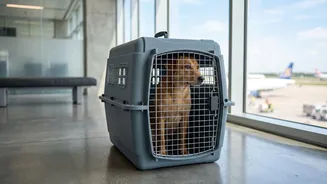
There are two primary expert-recommended methods for securing a dog in a car: a crash-tested harness or a secured travel crate. A dog car harness should be specifically designed for vehicle use, with wide, padded straps that distribute force across the chest, not the neck. It clips into the car's seatbelt system and should fit snugly. A travel crate or carrier is another excellent option, providing a secure, den-like space that many dogs find comforting. The crate must be well-ventilated and large enough for the dog to stand up and turn around, but not so large that they can be thrown around inside. For maximum safety, the crate should be firmly secured in the back seat or boot area so it cannot move during transit. Never restrain a dog by their neck collar or allow them to travel in the front seat, where a deploying airbag can cause severe injury or death.
The Importance of Regular Breaks
Long hours in a car can be tiring and stressful for a dog. Planning regular stops is crucial for their comfort and well-being. Most veterinarians and pet travel experts recommend stopping every two to three hours for a break of at least 15 to 20 minutes. These breaks allow your dog to stretch their legs, relieve themselves, and hydrate. Always ensure your dog is leashed before opening the car door at a stop to prevent them from bolting, especially in unfamiliar areas near busy roads. Offering fresh water and a chance to walk around can help prevent restlessness and anxiety during the journey, making the experience more enjoyable for everyone. For puppies and senior dogs, more frequent stops may be necessary.
The Silent Threat of Heatstroke
A parked car can become a deadly oven in a matter of minutes, even on a mildly warm day. The temperature inside a vehicle can quickly climb to dangerous levels, and dogs are particularly vulnerable as they cannot regulate their body temperature as efficiently as humans. Cracking a window or parking in the shade does very little to prevent the interior from heating up. On a 21°C day, the inside of a car can reach nearly 38°C. Never leave your dog unattended in a car, even for what seems like a short errand. The risk of heatstroke—a condition that can lead to organ failure, brain damage, and death—is simply too high. Signs of heatstroke include heavy panting, excessive drooling, lethargy, vomiting, and stumbling.
Keeping Cool on the Move
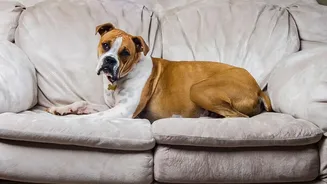
Protecting your dog from heat isn't just about parked cars. During the drive itself, especially in a warm climate like India's, it's important to maintain a comfortable temperature inside the vehicle. Use the air conditioning and ensure there is good ventilation in the back seat or boot where your dog is travelling. Sunshades on the windows can help block direct sunlight and keep their space cool. Always carry plenty of fresh water and a portable bowl to ensure your dog stays hydrated during your journey and at every stop. Also be mindful of breeds with flat faces (brachycephalic), like Pugs and Bulldogs, as they are at an even greater risk of overheating due to their restricted airways.