



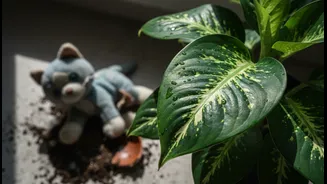


Identify Potential Dangers in Your Home
The first step in any good plan is prevention. Many common houseplants, popular in Indian homes for their beauty and air-purifying qualities, are unfortunately toxic to cats and dogs. It’s essential to know which ones pose a threat. Plants like lilies
are extremely dangerous for cats and can cause kidney failure from even minimal exposure, such as grooming pollen off their fur. Others, like the ubiquitous Money Plant (Pothos), Snake Plant, and Aloe Vera, contain compounds that can cause significant oral irritation, drooling, vomiting, and diarrhoea if ingested. Sago Palms are another severe threat, with all parts of the plant being toxic enough to potentially cause liver failure and be fatal, especially for dogs. Take a thorough inventory of your indoor and outdoor plants. A quick search online or a chat with your local nursery can help you identify any potential hazards lurking in your pots.
Create a Safe Environment
Once you've identified toxic plants, the next step is to make them inaccessible. The simplest solution is to remove them from your home. However, if you're attached to a particular plant, place it in a location your pet absolutely cannot reach—think very high shelves, hanging planters, or rooms that are kept off-limits to your pets. It’s also a great opportunity to embrace pet-safe greenery. Many beautiful and popular plants are perfectly safe for your furry companions. Options like the Areca Palm, Spider Plant, Boston Fern, and various Calatheas (Prayer Plants) are non-toxic and can add life to your space without the worry. When bringing any new plant into your home, always double-check if it's pet-friendly first. This simple habit is a cornerstone of responsible pet and plant ownership.
Know the Warning Signs of Poisoning
Despite your best efforts, accidents can happen. Knowing the symptoms of plant poisoning is critical for a fast response. While signs can vary depending on the plant and the amount ingested, some common red flags apply to both cats and dogs. Be on the lookout for gastrointestinal upset, such as vomiting, diarrhea, drooling, and a sudden loss of appetite. Neurological signs are also a major concern; these can include lethargy, weakness, muscle tremors, disorientation, or even seizures. Other serious symptoms include difficulty breathing, pale gums, and changes in thirst or urination, which could indicate organ damage. Some toxins cause immediate reactions, while others have delayed effects, with symptoms appearing hours or even days later. If you notice any of these signs, it's time to act.
Your Immediate Action Plan
Panic is a natural reaction, but a clear plan will help you act effectively. If you suspect your pet has eaten a toxic plant, follow these steps immediately. First, gently and safely remove your pet from the area and clear any remaining plant material from their mouth to prevent further ingestion. Second, try to identify the plant. If you're not sure what it is, take a clear photo or bring a small, sealed sample with you to the vet. This information is vital for determining the correct treatment. Third, and most importantly, call your veterinarian or an animal poison control helpline immediately. Do not wait for symptoms to appear. Do not induce vomiting unless you are specifically instructed to do so by a veterinary professional, as it can sometimes cause more harm. Follow their guidance precisely. They will tell you if you need to bring your pet in for emergency care.
Prepare an Emergency Kit
Being prepared can save precious time in an emergency. Assemble a pet first-aid and information kit and keep it in an easily accessible place. This kit should include a card with all the critical phone numbers: your primary vet, the nearest 24/7 emergency veterinary clinic, and a pet poison helpline. Also include your pet's medical information, such as their microchip number, vaccination records, and any known health conditions. Your emergency kit can also contain basic supplies like saline eye wash, a muzzle, and a pet carrier. Some vets may recommend keeping items like activated charcoal or 3% hydrogen peroxide, but these should only ever be used under the explicit direction of a poison control expert or veterinarian.