






Understanding the Fats on Your Plate
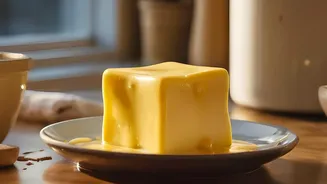
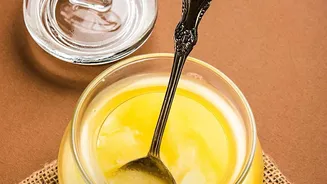
Dietary fats are broadly divided into two categories: saturated and unsaturated. Ghee is primarily composed of saturated fat, which is typically solid at room temperature. While it contains beneficial compounds, high intake of saturated fat is associated
with increased levels of LDL (bad) cholesterol, a risk factor for heart disease. Unsaturated fats, found in plant-based oils, are liquid at room temperature and are considered heart-healthy. They are further divided into monounsaturated fats (MUFAs) and polyunsaturated fats (PUFAs), both of which play crucial roles in maintaining good health.
The Heart-Healthy Power of Unsaturated Fats
The primary benefit of replacing saturated fats with unsaturated ones lies in cardiovascular health. According to the American Heart Association, making this switch can significantly lower the risk of heart disease. Polyunsaturated fats, rich in omega-3 and omega-6 fatty acids, and monounsaturated fats help reduce LDL cholesterol levels in the blood. Studies have shown that replacing saturated fats with polyunsaturated vegetable oils can reduce heart disease risk by up to 30%, an effect comparable to some cholesterol-lowering medications. These healthier fats also possess anti-inflammatory properties, which help combat chronic inflammation linked to various health issues.
Why 'Cold-Pressed' Makes a Difference
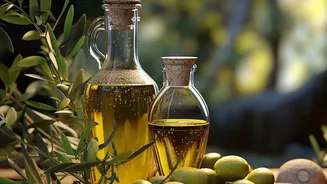
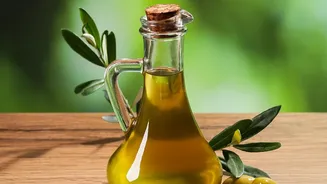
The term 'cold-pressed' refers to how the oil is extracted from seeds or nuts. This method uses mechanical pressure at low temperatures, typically below 49°C, without chemical solvents. This gentle process is crucial because it preserves the oil's natural nutrients, antioxidants like vitamin E, and beneficial plant compounds that are often destroyed by the high heat and chemical treatments used to create refined oils. As a result, cold-pressed oils not only offer a richer, more authentic flavour but also deliver a superior nutritional profile, free from chemical residues.
A Balanced View on Ghee
This isn't about completely eliminating ghee from your diet. For generations, ghee has been valued in Ayurveda and Indian cooking for its high smoke point (around 250°C), making it suitable for high-heat cooking like frying. It's also a source of fat-soluble vitamins A, D, E, and K, and butyric acid, which is beneficial for gut health. However, its high saturated fat content—about 62%—means that moderation is essential. The modern dietary approach suggests not an outright ban, but a thoughtful reduction in favour of a wider variety of fats.
Smart Swaps for Your Indian Kitchen
Incorporating cold-pressed unsaturated fats is easy and can be tailored to regional Indian cuisines. For everyday cooking, sautéing, and dressings, consider cold-pressed groundnut, sesame, or sunflower oils. Cold-pressed mustard oil is an excellent source of omega-3 fatty acids, a nutrient that ghee lacks, making it a vital addition for a balanced diet. Cold-pressed coconut oil is rich in beneficial MCTs and great for South Indian cooking. Use these oils for tempering (tadka) at medium heat, drizzling over finished dishes, or in preparations where their distinct flavours can shine, while reserving ghee for occasional high-heat cooking or for its traditional flavour in sweets and dals.