





Satellite Systems Engineer
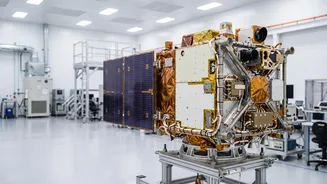
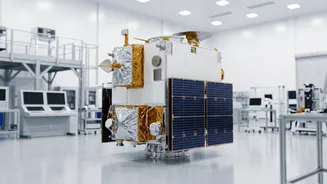
Behind every successful mission is a satellite, and behind every satellite is a team of engineers. Satellite systems engineers are the architects of these complex machines. They design, build, test, and operate satellites for communication, Earth observation,
and navigation. This role requires a strong foundation in electronics, mechanical engineering, or aerospace engineering. You could be designing power systems, communication payloads, or control systems that keep the satellite in its correct orbit. With over 400 private space startups like Pixxel and Dhruva Space joining ISRO in the field, the demand for engineers who can build reliable space hardware is higher than ever.
Aerospace Propulsion Engineer
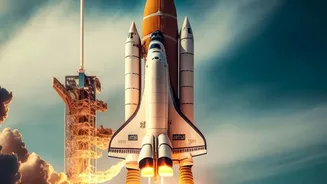
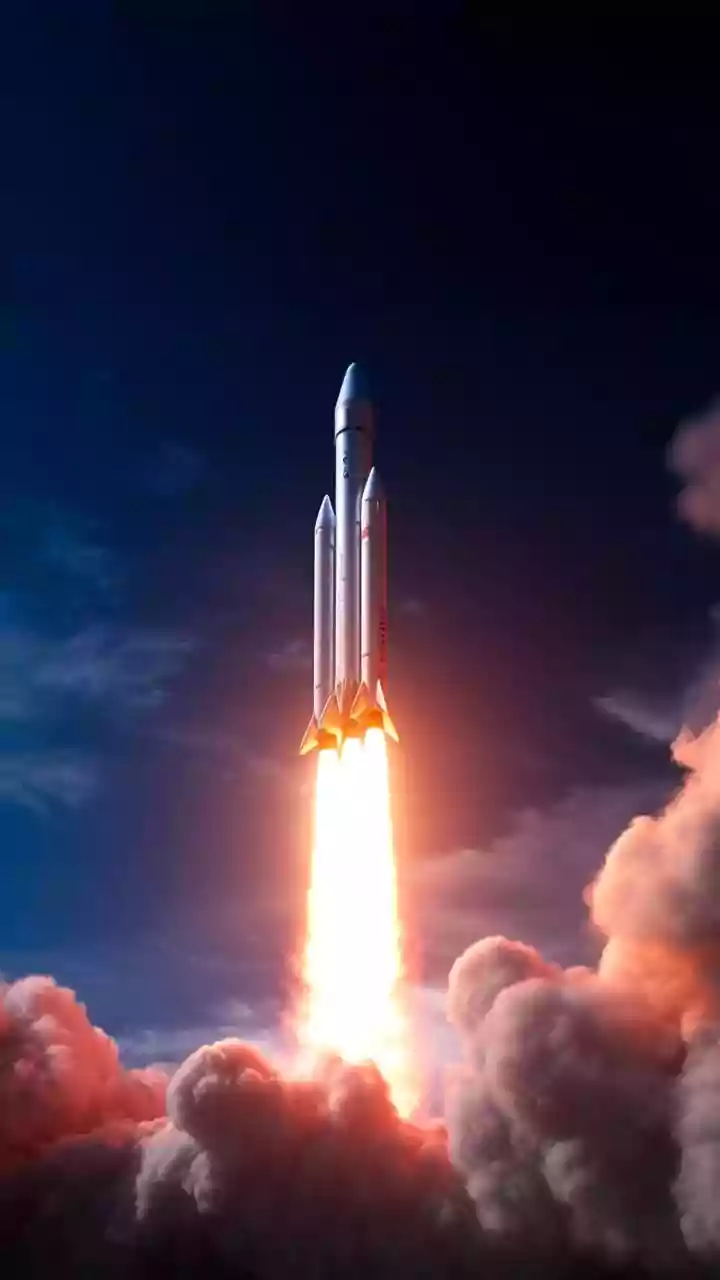
If satellites are the stars of the show, propulsion engineers build the vehicles that get them there. These engineers work on the science of 'thrust'. They design, develop, and test the engines and propulsion systems for launch vehicles and spacecraft. This could involve working on solid rocket motors, cryogenic upper stages, or innovative green propulsion systems. A degree in mechanical or aerospace engineering is the typical starting point. In India, opportunities exist not only at ISRO, which has a continuous launch schedule, but also at ambitious private launch startups like Skyroot Aerospace and Agnikul Cosmos, who are developing their own rockets.
Space Data Scientist
Space missions generate enormous amounts of data, from satellite imagery to telemetry from deep space probes. A space data scientist, or geospatial data analyst, is responsible for making sense of it all. They use skills in programming, machine learning, and remote sensing to analyze this data for applications in agriculture, climate change monitoring, urban planning, and disaster management. Companies like SatSure and MapmyIndia are turning satellite data into valuable commercial products. A background in computer science, physics, or geoinformatics, combined with expertise in data analysis tools, can launch a career in this data-driven field.
Space Robotics Engineer
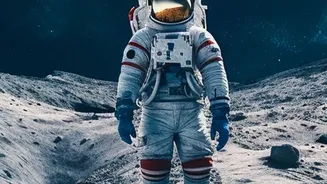
From rovers exploring the lunar surface to robotic arms assembling space stations, robotics is fundamental to modern space exploration. Space robotics engineers design, build, and program autonomous systems that can perform tasks in environments too dangerous or distant for humans. This interdisciplinary field combines mechanical engineering, electronics, and artificial intelligence. ISRO's work on the Pragyan rover for Chandrayaan and its future planetary missions require significant robotics expertise. Aspiring robotics engineers often pursue degrees in mechatronics, electronics, or computer science and can find opportunities in both government agencies and research institutions.
Space Law and Policy Advisor
As space becomes more crowded with satellites and commercial activity, the need for rules and regulations grows. A space lawyer or policy advisor works on the legal frameworks governing space. Their work addresses questions of satellite licensing, liability for space debris, international treaties, and contracts for launch services. With India's government actively encouraging private participation through bodies like IN-SPACe, legal experts are needed to navigate this new frontier. A law degree followed by a specialization in technology or international law can lead to a career advising government agencies, private startups, or international organizations.