

Saturn at Its Brightest
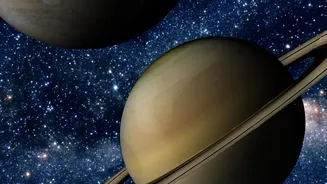
October kicks off with a fantastic opportunity to see the ringed planet. On October 4, Saturn will be at opposition, meaning it is directly opposite the Sun in our sky. This is the point in its orbit when it is closest to Earth, making it appear bigger
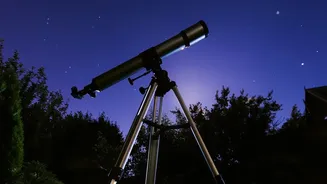
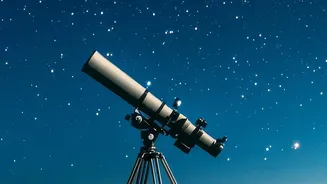
and brighter than at any other time of the year. You won't need a telescope to see it, but even a basic one will reveal its magnificent rings. Look for the bright, yellowish point of light rising in the east around sunset and remaining visible all night long.
The Draconid Meteor Shower
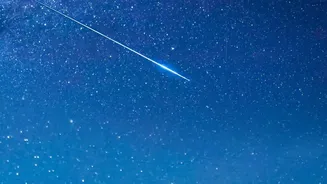
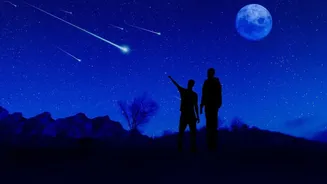
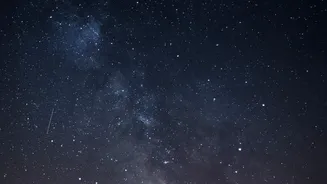
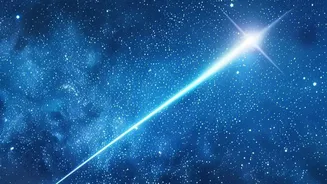
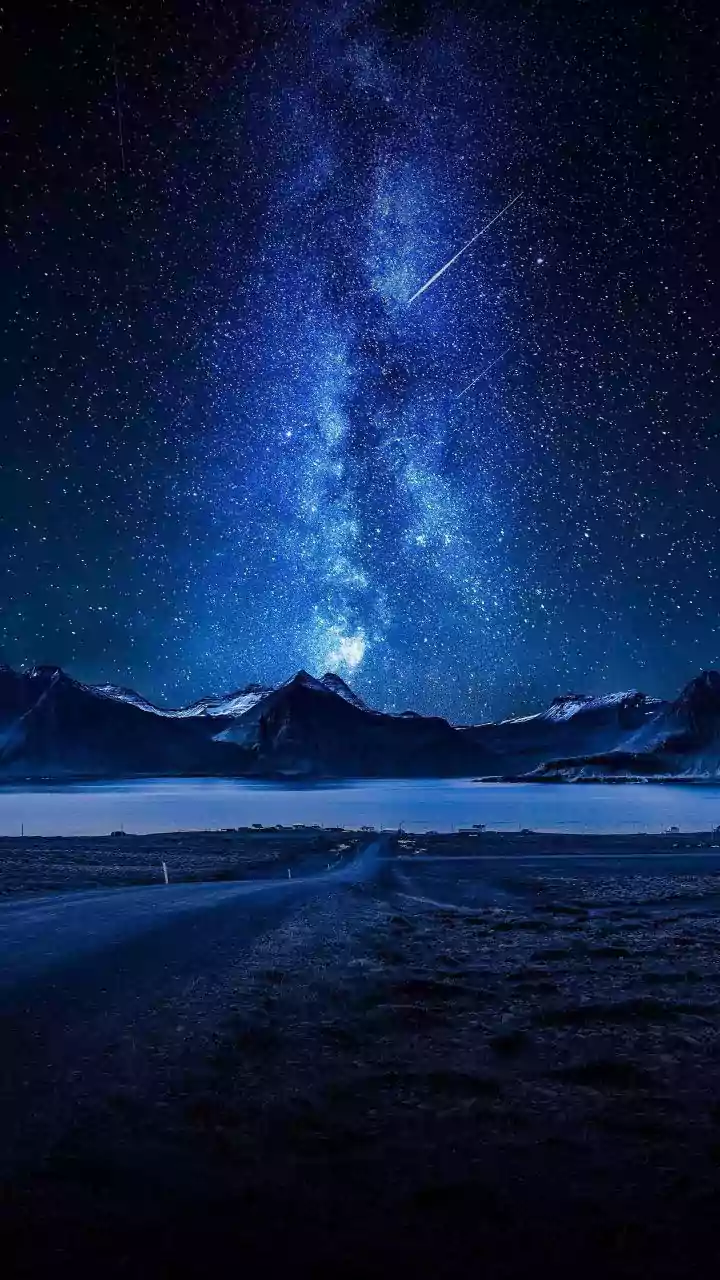
The first of two meteor showers this month, the Draconids, is set to peak on the night of October 8-9. While typically a modest shower with about 10 meteors per hour, the Draconids are best viewed in the early evening, just as darkness falls, which is unusual for a meteor shower. This year offers excellent viewing conditions, as the peak coincides with a nearly new moon, ensuring dark skies. The meteors will appear to radiate from the constellation Draco the Dragon, but you can see them streaking across any part of the sky.
The Famous Orionid Meteor Shower
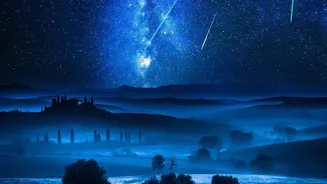
The Orionids are one of the most anticipated meteor showers of the year, known for their fast, bright meteors that can sometimes leave glowing trains. This shower is created by debris from the famous Halley's Comet. The peak is expected on the night of October 21-22, with the best viewing time being after midnight until the early hours before dawn. While a bright waxing gibbous moon will be present in the evening, it sets around 3 a.m. local time, leaving a window of dark sky for optimal viewing before sunrise. Observers in a dark location might see 15 to 25 meteors per hour.
Planetary Parade in the Morning
October is a great month for planet-spotting, especially for early risers. Throughout the month, you can see bright Jupiter rising in the east in the middle of the night and shining brilliantly before dawn. Reddish Mars will also be visible in the late night and morning sky, appearing above Jupiter. On the morning of October 6, the waning crescent Moon will pass very close to Jupiter, creating a beautiful sight. Some regions may even witness a lunar occultation, where the Moon briefly hides the planet.
The Hunter's Moon
The full moon of October, known as the Hunter's Moon, will grace the sky on October 25-26. This full moon gets its name from the tradition of hunting in preparation for the winter months, when the moonlight would help hunters spot game in the cleared fields. Although the Moon officially reaches its peak fullness on October 26, it will appear large and bright on the evening of October 25, rising around sunset and illuminating the night sky.
Tips for Best Viewing
To make the most of these celestial events, try to get away from city lights. Light pollution can significantly reduce the number of stars and meteors you can see. Find a spot with a clear, wide view of the sky. Give your eyes about 20-30 minutes to adjust to the darkness; this means avoiding looking at your phone screen. For meteor showers, no special equipment is needed. Just lie back on a blanket or chair, be patient, and enjoy the show from the universe.