








The Science of the Post-Meal Stroll
After you eat, your body breaks down carbohydrates into glucose, which enters your bloodstream, causing your blood sugar levels to rise. This is a normal process, but large, rapid spikes in blood sugar can, over time, increase the risk for metabolic conditions
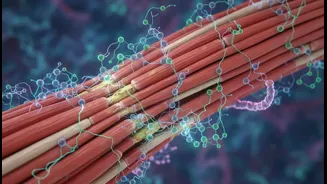
like type 2 diabetes. This is where a post-meal walk comes in. When you engage in light physical activity, your muscles need energy and begin to draw glucose from your bloodstream. This action helps to moderate the glucose spike, leading to a more gradual rise and fall in blood sugar levels. Studies have shown this simple act helps the body manage glucose more efficiently, reducing the workload on your pancreas.
The Golden Window: When to Walk
Timing is crucial for reaping the biggest rewards. Research indicates that starting your walk within 30 to 60 minutes after finishing a meal is the most effective window. Blood sugar levels typically peak between 60 and 90 minutes after eating, so moving during this time allows your muscles to use the incoming glucose before it spikes too high in the bloodstream. One meta-analysis found that walking immediately after eating can be particularly effective. If you experience discomfort like cramps, it may be helpful to wait 10 to 15 minutes after your meal before starting your walk.
How Long and How Fast?
You don't need to commit to a long or strenuous workout. The research is surprisingly encouraging, showing that even very short walks are beneficial. Multiple studies have found that walking for just 10 to 15 minutes after a meal is enough to significantly lower post-meal blood sugar. Some research even suggests that a 10-minute walk immediately after eating can be as effective as a 30-minute walk taken a bit later. Even breaking up long periods of sitting with two- to five-minute walks can make a difference. The key is consistency, not intensity. A light to moderate pace—where you can still hold a conversation—is ideal.
Beyond Blood Sugar: More Benefits
The advantages of a post-meal walk extend beyond glucose control. Gentle movement can aid digestion by stimulating the stomach and intestines, helping food move through your system more quickly. This can help reduce common complaints like bloating and gas. Regular post-meal walks also contribute to better heart health by helping to lower blood pressure and reduce inflammation. Furthermore, this simple habit can improve your mood by boosting feel-good hormones like endorphins and may even lead to better sleep quality, especially after an evening walk.
Making It a Daily Habit
Incorporating this practice into your daily life doesn't have to be complicated. The easiest way is to link the walk to your existing mealtime routine. Consider a short stroll around the block after lunch during the workday or making a family walk a regular part of your post-dinner ritual. The evening walk can be especially beneficial, as people tend to be more sedentary after their last meal of the day. You don't need any special equipment beyond a comfortable pair of shoes. The goal is to make it a consistent, enjoyable habit rather than another chore on your to-do list.