


The Quantum Upgrade for Satellites
So, what is the big deal about quantum technology? At its core, it harnesses the strange but powerful principles of quantum mechanics. Unlike traditional computers that use bits (0s or 1s), quantum systems use 'qubits,' which can exist in multiple states
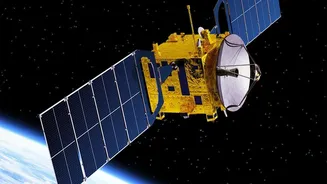
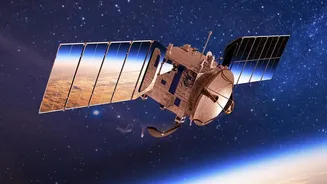
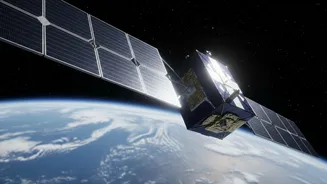
at once. For satellites, the most immediate and game-changing application is Quantum Key Distribution, or QKD. Think of it as the ultimate in secure communication. A QKD-enabled satellite can generate and distribute encryption keys that are, according to the laws of physics, unhackable. Any attempt by an eavesdropper to intercept the key would instantly alter its quantum state, alerting the legitimate users. This creates a communication channel that is theoretically immune to even the most powerful future computers.
India's National Quantum Mission
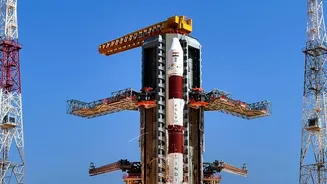
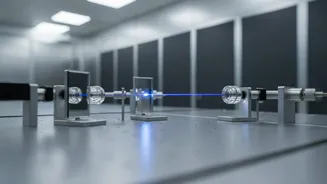
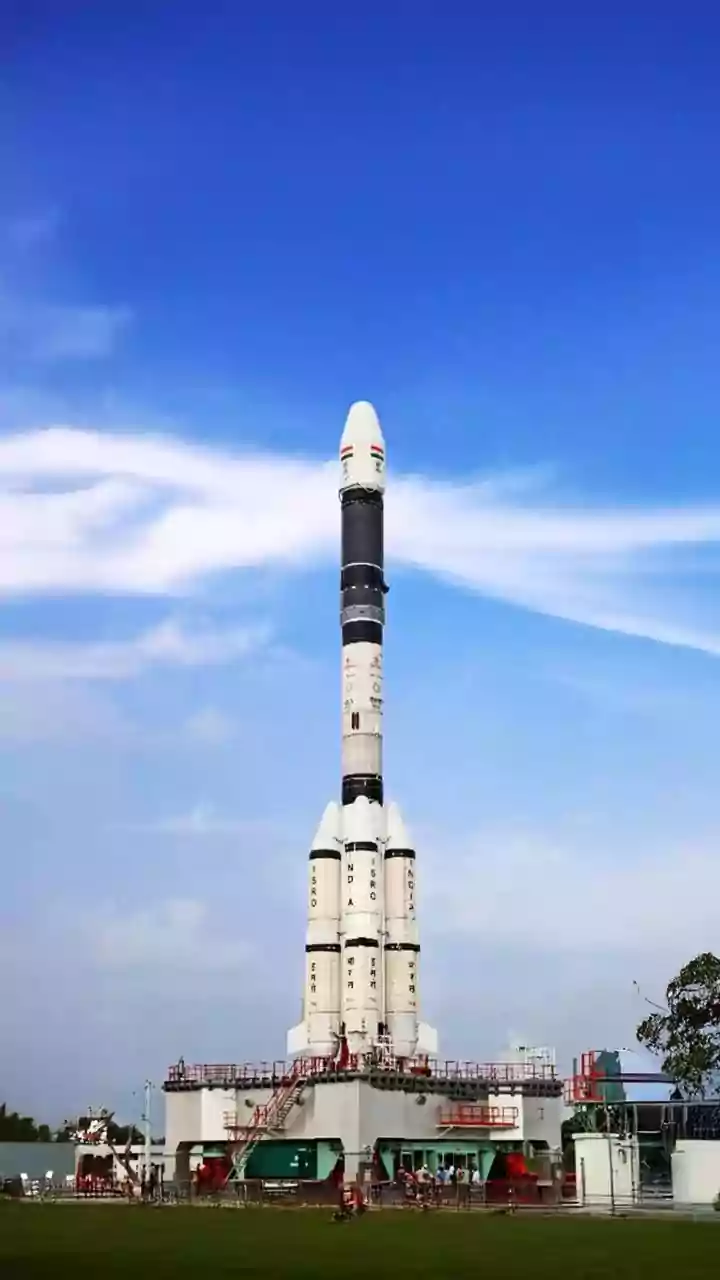
This isn't just a theoretical exercise. India has put its money where its mouth is. In April 2023, the government launched the National Quantum Mission (NQM), an ambitious eight-year, ₹6,000 crore initiative to make India a global leader in the field. A major goal of the mission is to develop satellite-based secure quantum communication between ground stations over a range of 2,000 kilometres within India. The Indian Space Research Organisation (ISRO), in collaboration with institutions like the Raman Research Institute, is at the forefront of this effort. Scientists have already successfully demonstrated free-space QKD over a distance of 300 metres, proving the fundamental technology works and setting the stage for integrating it into satellites.
Securing the Final Frontier
The primary driver for this space-tech push is national security. In an era of escalating cyber threats, securing communication lines for defence, government, and critical infrastructure is paramount. Quantum communication offers a 'future-proof' solution against adversaries who might try to break current encryption standards. But the benefits extend far beyond military applications. The banking and finance sectors, which rely on secure digital transactions, are a clear beneficiary. Furthermore, the mission aims to develop other quantum technologies like highly precise atomic clocks for better navigation—an upgrade to our own NavIC system—and advanced quantum sensors that could be used for everything from mineral exploration to environmental monitoring.
The Race and The Hurdles
India is not alone in this race. Countries like China, the US, and European nations are also investing heavily in space-based quantum technology. The technical challenges are immense. Quantum states are incredibly fragile and difficult to maintain, especially in the harsh radiation environment of space. Building, launching, and operating these highly sensitive satellites will be complex and costly. ISRO and its partners are developing specialized hardware, like gimbal systems for precise optical alignment and NavIC receivers for time synchronization, to overcome these issues. The successful ground-based tests, including secure video conferencing, show that India is steadily building the expertise needed to tackle these problems.