


First, A Thorough Physical
The first step is a hands-on physical examination, which can only be done after the powerful animal is safely anaesthetised. Veterinarians conduct a 'nose-to-tail' assessment, much like a check-up for a domestic pet, but on a much grander scale. They
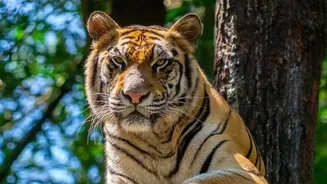
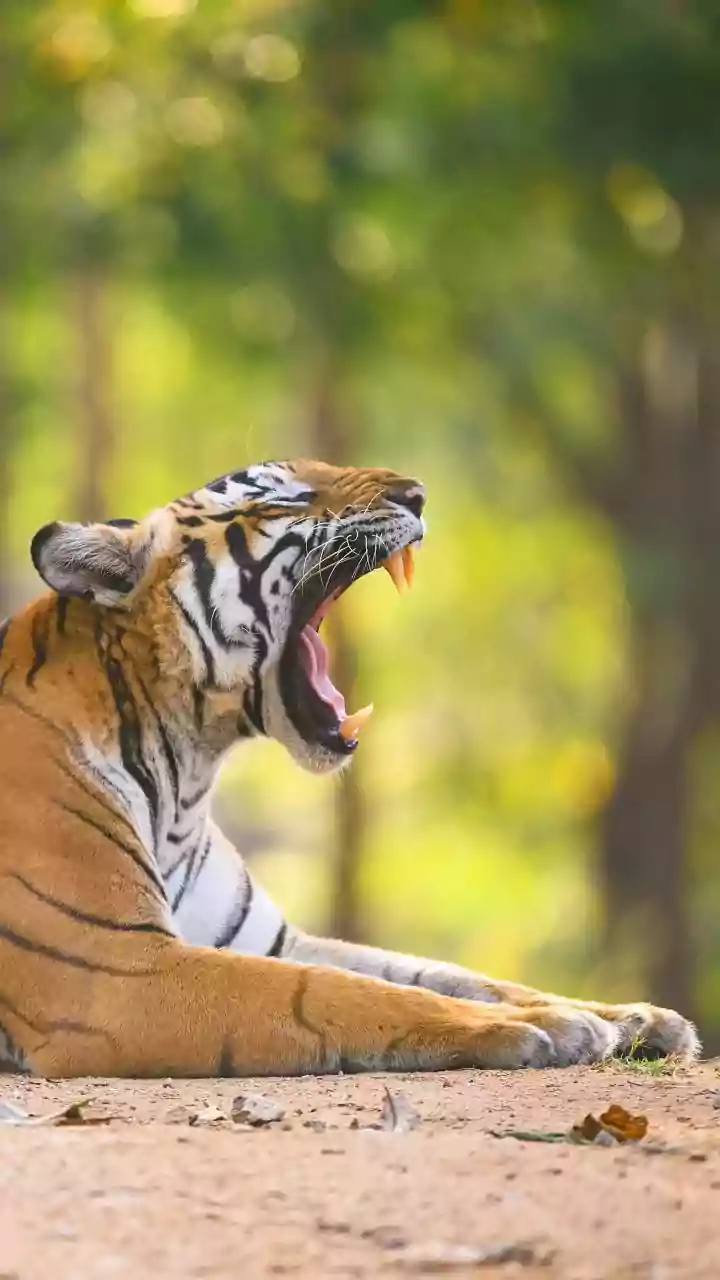
check the animal's body condition, weight, and hydration. They examine the eyes, ears, and teeth for any signs of injury or age-related wear. The coat and skin are inspected for parasites, wounds, or infections. Any existing injuries, like a limp or a poorly healed fracture, could be dangerously aggravated by the stress of transport. This initial assessment determines if the cat is physically robust enough to even be considered for a move.
Screening for Invisible Threats
What you can't see can be the most dangerous. A significant part of the health check involves screening for infectious diseases. Vets collect blood, faecal, and sometimes tissue samples to test for a range of pathogens. This includes viruses like feline panleukopenia (distemper) and feline immunodeficiency virus (FIV), as well as bacterial and parasitic infections. The reason is twofold. First, the stress of capture and transport can weaken an animal's immune system, causing a dormant illness to become active and potentially fatal. Second, and just as importantly, it prevents the introduction of diseases into a new, naive population of animals at the destination. Moving a single, seemingly healthy carrier could trigger a devastating outbreak in its new home, undermining the very purpose of the conservation effort.
Assessing the Stress Factor
Transportation is an intensely stressful experience for any wild animal. Being captured, confined in a crate, and subjected to unfamiliar noises and movements can cause extreme fear and anxiety. Part of the pre-relocation assessment involves evaluating the animal's temperament and its likely reaction to these stressors. An extremely anxious or aggressive individual might be a poor candidate, as prolonged stress can lead to severe health complications or self-injury inside the crate. Vets may also measure stress hormones like cortisol from faecal samples to get a baseline. Based on this assessment, the veterinary team can tailor a sedation plan, not just for the initial capture but potentially for the journey itself, to keep the animal calm and reduce the physiological impact of the move.
Genetic and Population Health
For many conservation-focused relocations, particularly those involving restocking a protected area or for breeding programs, genetics play a crucial role. A DNA sample can confirm the animal's subspecies and genetic lineage. This is vital for maintaining genetic diversity and ensuring the translocated animal is a good match for the population it is joining. Introducing an animal from a different genetic background could have unintended long-term consequences for the local gene pool. This level of detail ensures the move contributes positively to the long-term viability and health of the entire species, not just the individual animal. This also helps avoid moving hybridised animals into a pure wildcat population.
Creating a Custom Travel Plan
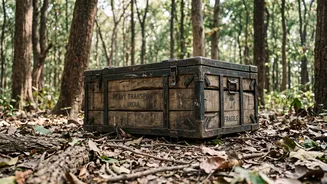
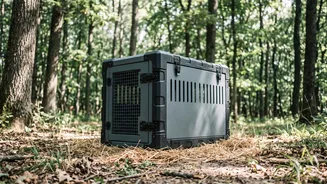
The information gathered from all these checks culminates in a customised travel plan. The animal's size and weight determine the specifications of its transport crate, which must be secure and well-ventilated. Its health status dictates the level of monitoring required during transit. For example, an older animal or one with a minor pre-existing condition might need more frequent checks. The expected duration of the journey, weather conditions, and potential for delays are all factored in. This detailed planning, informed directly by the comprehensive health assessment, is designed to mitigate every foreseeable risk and ensure the big cat arrives at its new home safely and in the best possible condition, ready to thrive in its new environment.