






Fabric Is Your First Defence
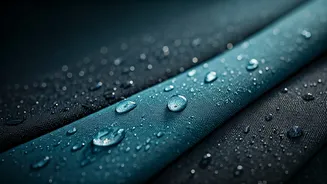
The foundation of any successful monsoon wardrobe is choosing the right material. Heavy fabrics that absorb water are your worst enemy. Pure, thick cotton and denim, for instance, become heavy when wet and can take ages to dry in the humid air, leading
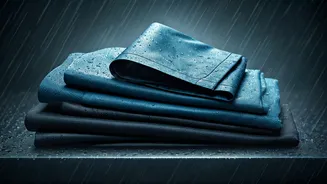
to discomfort and musty smells. Instead, opt for lightweight, quick-drying, and breathable fabrics. Synthetic blends, such as cotton-polyester or cotton-viscose, are excellent choices as they offer the comfort of cotton but dry much faster. Materials like rayon, crepe, and georgette are also fantastic options; they are light, don't cling uncomfortably in the humidity, and maintain a professional drape. Crepe is particularly useful for office wear as it's largely wrinkle-resistant, keeping you looking sharp all day. Avoid pure silk, which can be damaged by moisture, and heavy knits that become bulky.
Rethink Your Bottoms
Long, floor-sweeping trousers, palazzos, and salwars are impractical during the monsoon, as their hems will inevitably drag through puddles and collect mud. The smartest move is to shorten your hemlines. Opt for ankle-length trousers, cropped pants, or culottes that stay clear of dirty water. For women, smart formal skirts that end at or just below the knee are a great alternative. If you prefer Indian wear, swap out Patiala salwars for well-fitted churidars or leggings paired with a shorter kurti. This simple adjustment ensures your bottoms stay clean and you arrive at the office looking neat and tidy.
Choose Tops and Kurtas Wisely
When it comes to tops, colour and fit are as important as fabric. Light colours, especially white, should be avoided as they tend to become transparent when wet and show mud splashes easily. Instead, embrace darker or brighter colours like navy, charcoal, reds, and blues that can combat the gloomy weather and effectively hide water spots. Busy prints and patterns are also a strategic choice, as they help camouflage any accidental stains. In terms of fit, avoid anything too loose or billowy, as excess fabric takes longer to dry. A structured, well-fitted shirt or a straight-fit kurti will not only look more professional but will also dry faster if you get caught in a shower.
The Ideal Outer Layer
A bulky, shapeless raincoat can instantly ruin a carefully chosen professional outfit. The modern professional needs a stylish yet functional outer layer. A classic trench coat is an excellent investment, offering a timeless look while keeping you warm and dry. For a more contemporary feel, look for trendy raincoats in bold colours with smarter silhouettes, such as those with cinched waists or tailored fits. Many modern rain jackets are made from tech-influenced fabrics that are not only waterproof but also breathable, preventing that sticky, suffocating feeling. When pairing with Indian wear, a long dupatta can be difficult to manage; consider swapping it for a chic, lightweight stole or scarf.
Footwear That Fights Back
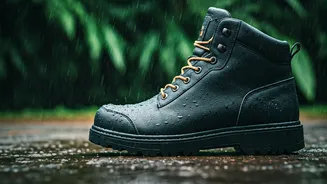
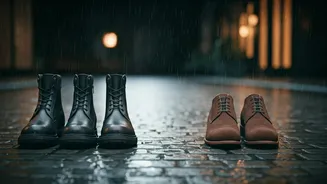
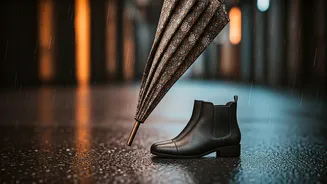
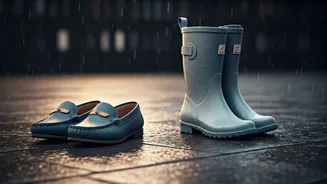
Monsoon is notoriously harsh on footwear. Leather and suede are complete non-starters, as water can cause them to warp, stain, and fall apart. Your best bet is footwear made from waterproof materials like rubber, PVC, or EVA. Stylish options are readily available, including waterproof loafers, jelly flats, and sleek rubber boots that can look surprisingly professional. Shoes with anti-slip soles are crucial for navigating wet, slippery surfaces safely. A highly practical strategy adopted by many professionals is to wear sturdy, waterproof footwear like floaters or sandals for the commute and keep a pair of formal office shoes at your desk to change into upon arrival. This guarantees your feet stay dry and your work shoes remain in pristine condition.
Accessorise for the Elements
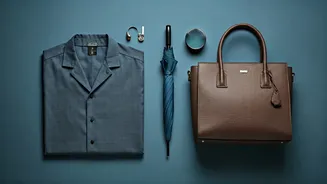
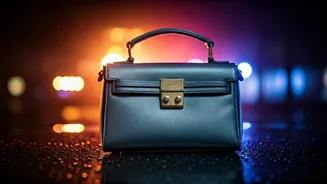
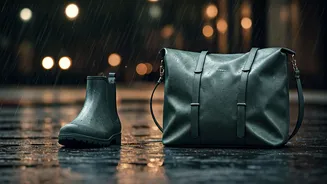
The right accessories can complete your monsoon-proof look. A durable, waterproof tote bag is essential to protect your laptop, documents, and other belongings from the rain. Opt for a sturdy, wind-resistant umbrella; you can even match it to your outfit for a more cohesive look. When it comes to makeup, waterproof products are a must to avoid smudging. Finally, keeping a backup outfit at the office is a foolproof strategy to ensure you're never caught looking damp or unprofessional after an unexpected downpour. A simple, wrinkle-free tunic or shirt can be a lifesaver.