


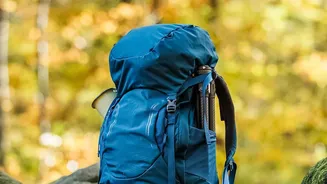
1. Dry Bags, Not Just Covers
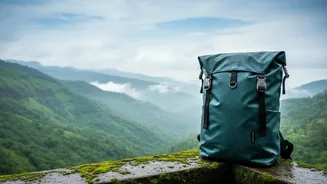
While a rain cover for your backpack is a good start, a proper dry bag is a game-changer. These roll-top sacks are genuinely waterproof, not just water-resistant. Use a large one to line your entire rucksack or smaller ones to compartmentalise clothes
and electronics. This ensures that even if your main bag gets soaked during transit on a bus roof or in an auto-rickshaw, your essentials remain perfectly dry. It’s the ultimate peace of mind against a sudden downpour.
2. Waterproof Phone Pouch
A ziplock bag is a temporary fix, but a dedicated waterproof phone pouch is a true upgrade. These pouches allow you to use your phone's touchscreen and camera even while it’s sealed inside, perfect for capturing misty mountain views or beach scenes without risking water damage. Whether you’re near a waterfall or just caught in a cloudburst, you can stay connected and keep snapping photos without a worry.
3. Silica Gel Packets
The battle against dampness continues even after you’re indoors. High humidity can make everything in your luggage feel slightly moist and smell musty. Throw a few silica gel packets—the kind you find in new shoe boxes—into your suitcase and electronics bags. They absorb ambient moisture, helping to keep your clothes, shoes, and sensitive camera gear dry and fresh.
4. Quick-Dry Synthetic Clothing
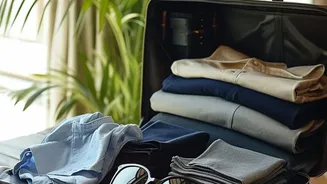
This is perhaps the most important upgrade you can make. Cotton is a poor choice for the monsoon; it absorbs moisture and takes days to dry in high humidity. Instead, pack clothes made from synthetic, quick-dry fabrics like polyester or nylon. These materials are lightweight, pack down small, and, most importantly, can be washed in a hotel sink and will often be dry by the next morning.
5. A Portable Hair Dryer
Don’t think of it just for your hair. A small, travel-sized hair dryer is an incredibly useful tool for tackling monsoon dampness. Use it on a low heat setting to dry out damp patches on clothes, help dry the insides of wet shoes overnight, or get rid of the condensation on your camera lens before you head out. It’s a multi-purpose problem solver.
6. Anti-Slip Waterproof Footwear
Gumboots can be heavy and impractical for travel. Instead, opt for lightweight, anti-slip waterproof sandals or floaters. These are perfect for navigating waterlogged streets and muddy trails, as you can simply rinse them off. For treks, waterproof hiking shoes are essential, but for general sightseeing, open-toed, rubber-soled footwear with good grip is far more comfortable and practical.
7. Mosquito Repellent Patches or Bands
The monsoon brings an increase in mosquito activity, and with it, the risk of diseases like dengue and malaria. While sprays and lotions are effective, repellent patches or wearable bands are a great, hassle-free addition. Stick a patch on your clothes or wear a band on your wrist for continuous protection without having to reapply greasy lotions throughout the day.
8. A High-Capacity Power Bank
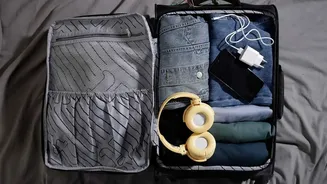
Power cuts can be more frequent during the rainy season, especially in remote or hilly areas. A reliable, high-capacity power bank ensures you can keep your phone, GPS, and other essential gadgets charged, no matter the weather. It’s a simple piece of tech that provides a crucial safety net when you need to make calls or navigate in an unfamiliar place.
9. Quick-Dry Microfibre Towel
Hotel towels can be thin, and in the damp monsoon air, they take forever to dry. A microfibre travel towel is super absorbent, incredibly lightweight, and dries in a fraction of the time. It packs down to a tiny size and is perfect for everything from drying off after a surprise shower to taking on a trek.
10. Medicated Powder
Constant dampness and wet footwear can be tough on your skin, creating a perfect environment for fungal infections. Packing a simple medicated or anti-fungal powder can be a lifesaver. Use it on your feet and other prone areas after a shower to stay dry, comfortable, and avoid any uncomfortable skin issues that could otherwise spoil your trip.