


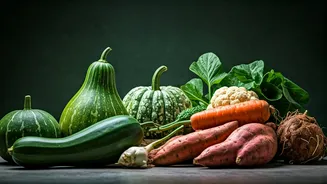


Go for the Gourds
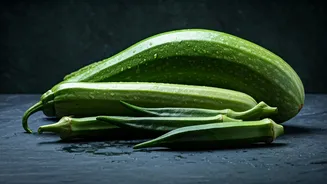
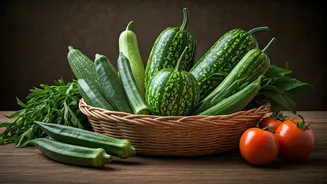
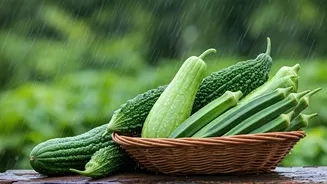
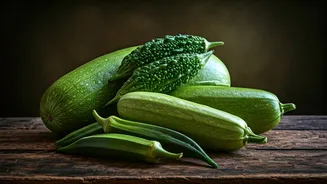
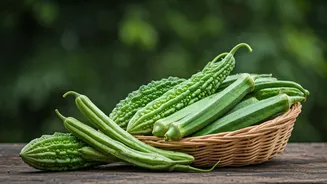
The gourd family truly comes into its own during the monsoon. Vegetables like lauki (bottle gourd), turai (ridge gourd), and karela (bitter gourd) thrive in the damp, humid conditions. Often overlooked, these vegetables are nutritional powerhouses. Lauki
is incredibly hydrating and easy on the stomach, making it a perfect addition to monsoon diets. Turai, with its tender flesh, is great in simple stir-fries or dals. Even the much-maligned karela, known for its bitter taste, is prized in Ayurveda for its purifying properties. When shopping, look for gourds that are firm, have unblemished skin, and feel heavy for their size. Avoid any with soft spots or yellowing skin.
Don't Forget Your Greens
While many advise caution with leafy greens during the monsoon due to the risk of contamination from muddy water, choosing and preparing them correctly allows you to enjoy their benefits safely. Seasonal greens like palak (spinach) and various types of chaulai (amaranth) are abundant. These greens are packed with iron, vitamins, and fibre. The key is to wash them thoroughly. A good method is to soak them in a large bowl of water with a pinch of salt or a splash of vinegar for about 10-15 minutes. This helps dislodge any dirt or microbes clinging to the leaves. Rinse them again under running water before cooking. Steaming or cooking them well, rather than eating them raw, is the recommended approach during this season.
The Ever-Reliable Bhindi
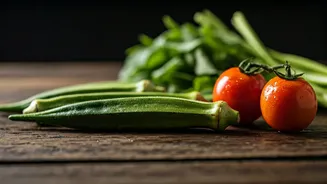
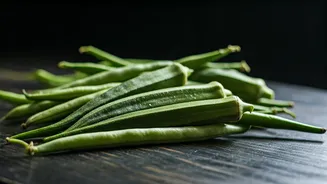
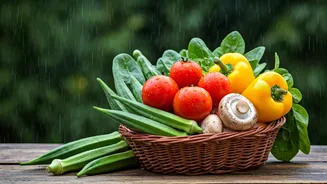
Bhindi, or okra, is a monsoon favourite across India. Its ability to grow well in this season makes it widely available and affordable. From the simple, crispy kurkuri bhindi to the rich and tangy bhindi masala, its versatility is unmatched. When buying bhindi, look for smaller pods that are bright green and have a slight fuzz. A simple trick to test for freshness is to snap the tail end—if it breaks with a clean, crisp sound, it's fresh. If it bends, it’s likely old and will be fibrous. This humble vegetable is a fantastic source of dietary fibre, Vitamin C, and Vitamin K, making it a delicious and healthy choice.
Corn: The Taste of the Rains
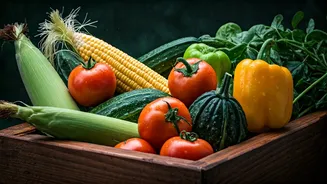
Is it even monsoon without a bhutta (corn on the cob)? The sight of street vendors roasting corn over hot coals, slathering it with lemon juice, salt, and chilli, is an iconic part of the Indian monsoon experience. This is the peak season for fresh corn, and markets are filled with cobs boasting plump, juicy kernels. Whether you prefer it roasted, boiled, or used in sabzis and salads, now is the time to indulge. When you buy fresh corn, peel back the husk slightly to check the kernels. They should be bright, plump, and tightly packed. Avoid any cobs with dried-out or shrivelled kernels.
The Crisp and Cool Cucumber
Often thought of as a summer vegetable, cucumbers also have a strong showing during the monsoon. They provide a refreshing, crunchy contrast to the often hot and heavy meals of the season. Cucumbers are over 95% water, helping you stay hydrated, and their high fibre content aids digestion. They are perfect for simple salads, raitas, or just eaten as a cooling snack with a sprinkle of salt and pepper. Look for cucumbers that are firm to the touch from end to end. Dark green skin is a good sign, but avoid any that are yellowing, as this indicates they are overripe and may be bitter.
A Quick Guide to Smart Shopping
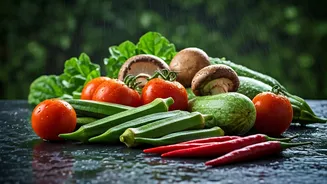
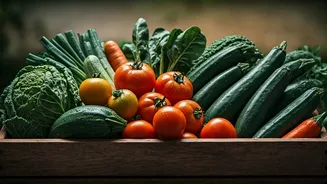
While the bounty is exciting, a little caution goes a long way. Always choose vegetables that look fresh and vibrant. Avoid pre-cut vegetables, as they are more susceptible to bacterial growth in the humid weather. It's also a good practice to buy from trusted vendors who maintain clean stalls. Once home, wash all your produce thoroughly, as mentioned for leafy greens, to ensure it's clean and safe for consumption. Storing them in a cool, dry place or the refrigerator will help maintain their freshness for longer. Embracing seasonal produce not only gives you the best flavour and nutrition but also supports local farmers.