



1. The Magic of Nut Paste
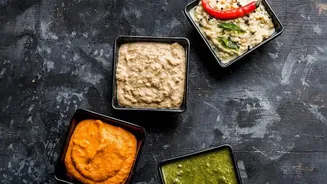
One of the most popular and effective ways to add richness without dairy is by using a paste made from nuts. Cashews are the top choice because of their high fat content and neutral flavour, which allows the spices of the curry to shine. To prepare, simply
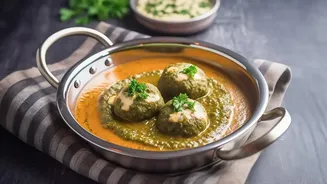
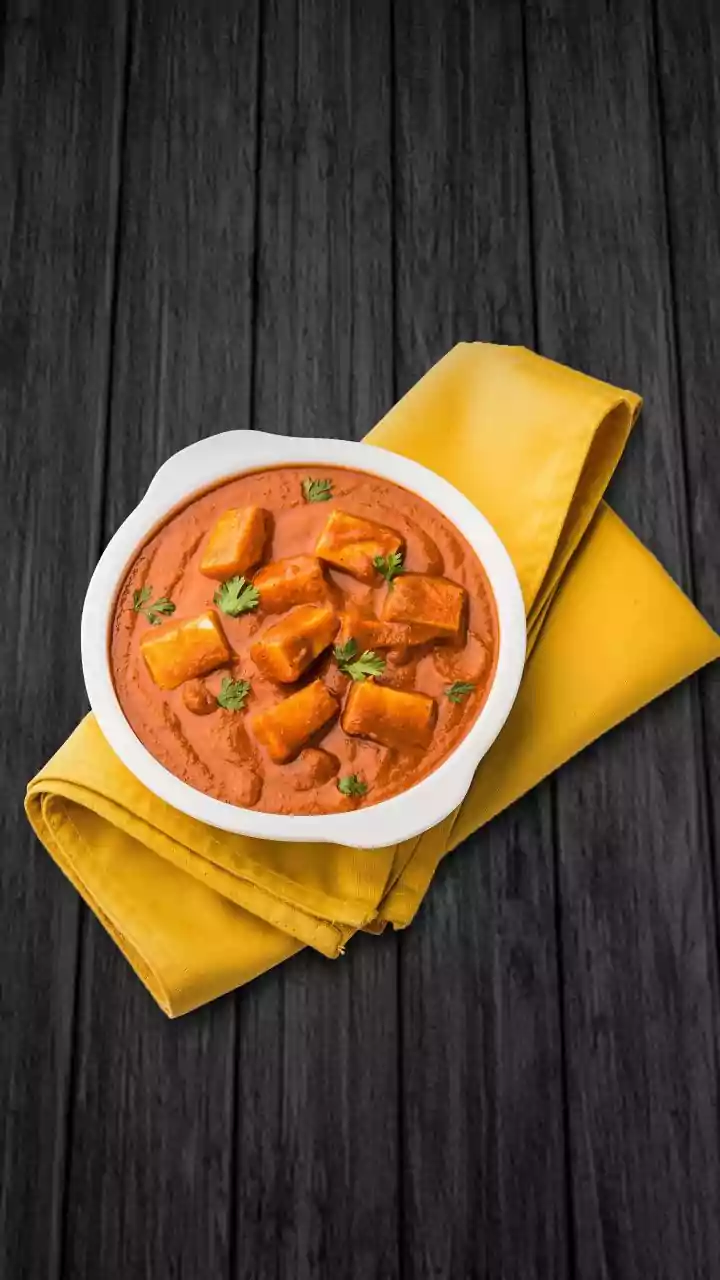
soak raw, unsalted cashews in hot water for at least 30 minutes, or overnight in cool water. This softens them for easier blending. Drain the cashews and blend them with a little fresh water until you have a smooth, thick paste. This cashew cream can be stirred into your curry towards the end of cooking to add body and a silky finish. It works beautifully in dishes like malai kofta, butter chicken-style gravies, and vegetable kormas where a rich, slightly sweet creaminess is desired. Almonds can also be used, but it's best to blanch them and remove the skins for a smoother paste.
2. The Power of Coconut Milk
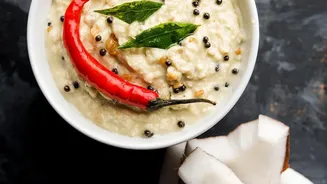
A staple in South Indian and coastal cuisines, coconut milk is a naturally creamy and flavourful alternative to dairy. It lends a distinct, mildly sweet and nutty taste that pairs exceptionally well with spicy and tangy flavours. For the richest texture, use full-fat canned coconut milk. You can even use the thick coconut cream that rises to the top of the can for an extra-luxurious finish. Coconut milk is versatile enough for everything from a simple vegetable stew to a fiery fish curry. Add it towards the end of the cooking process and simmer gently; boiling it vigorously can cause it to split. Its inherent sweetness balances the heat of chillies and the earthiness of spices like turmeric and coriander, creating a well-rounded and deeply satisfying gravy.
3. Seed Pastes for Subtle Richness
A traditional technique, particularly in Mughlai and Bengali cooking, involves grinding seeds into a paste to thicken gravies. White poppy seeds (khus khus or posto) and melon seeds (magaz) are the most common choices. These seeds have a very mild, nutty flavour and create a wonderfully thick and creamy texture when ground. To use them, rinse the seeds well and soak them in warm water for at least 30 minutes to an hour to soften. Then, grind them into a very fine, smooth paste, adding a little water as needed. This paste is often cooked along with the onion-tomato base to ensure the raw taste is gone. It's the secret behind the rich, white gravies of many kormas and is famously the star ingredient in the Bengali dish 'aloo posto'.
4. The Foundational Onion-Tomato Bhuna
Sometimes, creaminess isn't an added ingredient but a result of technique. The 'bhuna' method involves slowly cooking down your base aromatics—typically onions, ginger, garlic, and tomatoes—over low to medium heat until they completely break down, release their oils, and meld into a thick, jam-like paste. This process caramelises the natural sugars in the onions and concentrates the flavours, creating a gravy base that is inherently creamy and full-bodied without any cream or nuts. Patience is the key here; this can take anywhere from 15 to 30 minutes. Once you have this luscious base, you can add your vegetables or protein and a little water to achieve the desired consistency. This fundamental technique is the backbone of countless home-style Indian curries and provides a deep, complex flavour that can't be rushed.
5. Lentils and Flours as Thickeners
For a heartier, more rustic creaminess, look no further than lentils and flours. A spoonful of gram flour (besan), lightly roasted in the pan with the spices before adding liquid, can thicken a gravy and add a pleasant, nutty flavour. This is a common technique in Rajasthani cooking. Another fantastic method is to use cooked and mashed lentils. A small amount of cooked red lentils (masoor dal) or yellow split peas (chana dal), blended into the curry, will dissolve almost completely, lending body and a creamy texture. This not only thickens the dish but also adds a boost of protein and fibre, making the meal more wholesome and satisfying. This works particularly well in vegetable curries and dal-based dishes where an earthy, robust character is welcome.