






The Challenge of Ageing Muscles
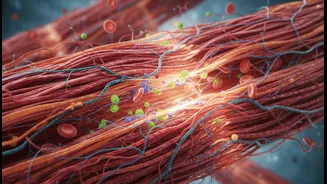
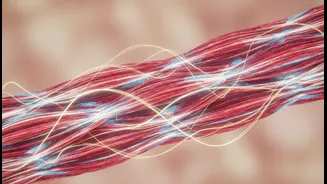
As we grow older, our bodies naturally go through a process called sarcopenia, which is the gradual loss of muscle mass, strength, and function. This isn't just about not being able to lift heavy things anymore; it affects our balance, our ability to recover
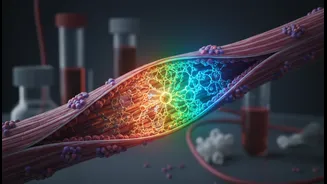
from illness or injury, and our overall independence. For a long time, this decline was seen as an unavoidable part of ageing. At the cellular level, our muscle stem cells, which are responsible for repairing everyday wear and tear, become less effective. This slowdown in the body's natural repair crew means that damage accumulates, leading to weaker muscles that are more prone to injury.
A Breakthrough in How Exercise Helps
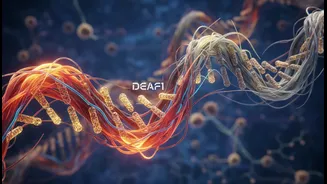
A recent study from the Duke-NUS Medical School has shed new light on exactly why exercise is so beneficial for older muscles. Researchers discovered a key molecular player, a gene called DEAF1, which becomes more active with age and disrupts the delicate balance of protein maintenance in muscle cells. This imbalance prevents the cells from clearing out damaged components and rebuilding effectively. The study, published in the Proceedings of the National Academy of Sciences, found that physical activity acts like a 'reset button'. Exercise helps to lower the levels of this disruptive DEAF1 gene, allowing the muscle's internal housekeeping and repair systems to get back to work. In essence, exercise tells the muscles to clean house and rebuild, restoring a more youthful function.
What Kind of Exercise Works Best?
The good news is that you don't necessarily need to become a master athlete to reap these benefits. The key is consistency and finding activities you enjoy. Studies have shown that a variety of exercises can be effective. Resistance training, which involves working your muscles against a force, is highly recommended. This doesn't have to mean lifting heavy weights at a gym; it can include bodyweight exercises like squats and planks, or using resistance bands. Aerobic exercises such as brisk walking, swimming, cycling, or even rowing have also been shown to awaken dormant muscle stem cells and improve their function. Combining both resistance and aerobic activities appears to provide the greatest overall benefit for health and longevity. Even just two or three sessions a week can make a significant difference.
Getting Started Safely and Effectively
For older adults starting a new fitness routine, the principle of 'start low and go slow' is crucial. It’s always best to begin with gentle activities. A daily walk is a fantastic starting point. You can gradually increase the duration and pace as you feel more comfortable. Incorporating simple balance exercises can also help reduce the risk of falls. Interestingly, some research suggests older adults may even experience less muscle soreness after exercise compared to younger people, which might help with consistency. The most effective exercise plan is one you can stick with, so choose activities you find genuinely enjoyable. Whether it's gardening, joining a yoga class, or dancing, moving your body regularly is the ultimate goal.