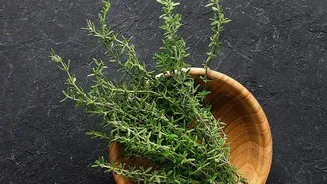







Imagine snipping fragrant, earthy thyme from a pot in your own kitchen to elevate everyday meals. Growing this hardy Mediterranean herb is surprisingly simple and provides a constant supply of fresh flavour for your roasts, soups, and sauces.
Choosing the Right Thyme
Your journey
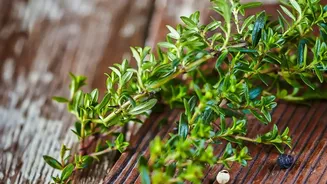
begins with selecting a thyme variety. While there are over 300 types, a few are perfect for culinary use in pots. Common thyme (Thymus vulgaris) is the classic choice, known for its robust, earthy flavour that's essential in stews and roasted dishes. For a subtle twist, consider Lemon thyme (Thymus citriodorus), which offers a bright, citrusy aroma ideal for chicken, fish, and even teas. Both are upright varieties that grow well in containers and are easy to find as small starter plants at local nurseries, which is often easier than starting from seed. English thyme is another reliable option with a strong, traditional flavour.
The Perfect Pot and Soil
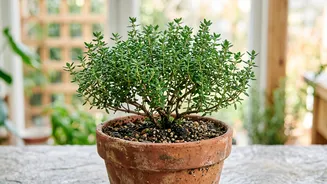
Thyme hates having 'wet feet', making proper drainage the single most important factor for success. Choose a pot with at least one large drainage hole. Terracotta pots are an excellent choice because their porous clay allows soil to dry out more evenly between waterings. A pot that is at least 6-8 inches deep and wide will provide adequate space for the root system. For soil, the goal is to mimic thyme's native Mediterranean conditions. Use a well-draining potting mix, such as one designed for cacti or succulents. You can also create your own by mixing standard potting soil with sand or perlite to improve drainage and prevent the roots from becoming waterlogged.
Sunlight and Watering Wisdom
Thyme is a sun-worshipper. It needs at least six hours of direct sunlight each day to develop the essential oils that give it its wonderful aroma and flavour. An unshaded balcony or a south-facing windowsill is an ideal spot. When it comes to watering, less is more. Overwatering is the most common reason potted thyme fails. Before you water, stick your finger about an inch into the soil; if it feels dry, it's time to water thoroughly until you see it run out the drainage hole. If it still feels moist, wait another day or two. A potted plant will dry out faster than one in the ground, but always let it dry out completely between waterings.
Harvesting for Abundant Growth
Regular harvesting is the secret to a bushy, productive thyme plant. Once the plant is established and has several stems, you can begin snipping. Always use clean scissors and cut the soft, green stems, leaving the tough, woody base intact. Make your cuts just above a set of leaves to encourage the plant to branch out and become fuller. A good rule is to never harvest more than one third of the plant at a time. This regular pruning prevents the plant from becoming leggy and woody, ensuring a steady supply of tender, flavourful leaves throughout the season. The flavour is most potent just before the plant flowers.
Troubleshooting Common Problems
Thyme is quite resilient, but a few issues can arise. Yellowing leaves are almost always a sign of overwatering or poor drainage. If you see this, reduce watering and ensure your pot isn't sitting in a saucer of water. If your plant becomes sparse and 'leggy', it's likely not getting enough sun. Move it to a brighter location and give it a light trim to encourage bushier growth. While pests are rare, keep an eye out for spider mites or aphids. Most problems can be avoided by providing plenty of sun and respecting its need for dry soil.
Bringing Thyme to the Table
With a thriving thyme plant, your cooking options expand. Unlike delicate herbs, thyme holds up well to heat, making it perfect for dishes with longer cooking times. Add whole sprigs to soups, stews, or while roasting chicken, potatoes, and other vegetables. The leaves will fall off during cooking, and you can simply remove the woody stem before serving. For a quicker flavour infusion, strip the leaves from the stem by running your fingers down it and sprinkle them into sauces, egg dishes, or on mushrooms. The earthy, slightly minty flavour complements a vast range of savoury foods.