
The Foundation: Perfecting Your Staples
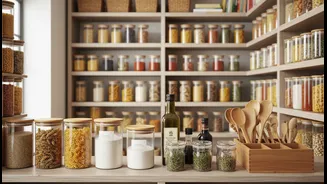
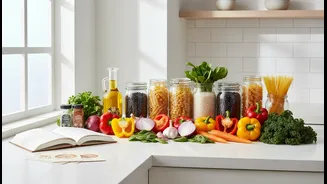
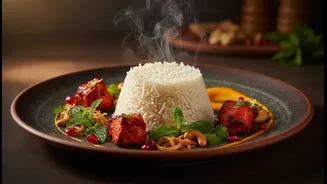
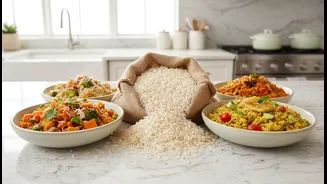
A satisfying meal starts with a solid base. Think of staples like rice, lentils (dal), and potatoes. Getting these right is the first step. For rice, rinsing it until the water runs clear removes excess starch, preventing a gummy texture. With dal, the goal
is a creamy, homogenous consistency, not a watery soup or a thick paste. Taking the time to cook these basics with care ensures they are a perfect canvas for other flavours, rather than a disappointing foundation. A well-cooked staple is satisfying on its own and elevates everything else in the dish.
The Flavour Bomb: Mastering the Tadka
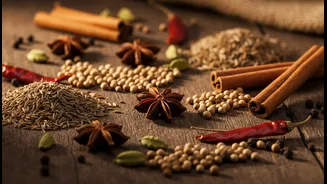
The 'tadka', or tempering, is a cornerstone of Indian cooking for a reason. It's a simple, fast technique that extracts the maximum flavour from whole and ground spices. By heating ghee or oil and sizzling ingredients like cumin seeds, mustard seeds, garlic, or dried chillies, you infuse the fat with a complex aroma and taste. This flavour-packed oil is then poured over a dish, most commonly dal or vegetables, just before serving. Learning to make a good tadka is transformative; it can make a simple lentil soup taste like it's been simmering for hours and is a key skill for elevating budget-friendly meals.
The Balancing Act: Salt, Fat, Acid, Heat
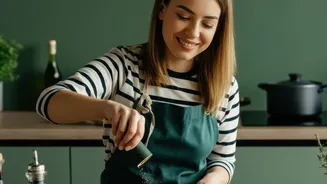
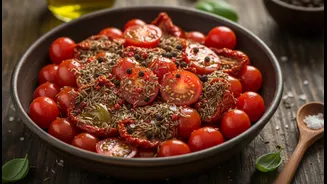
Great cooking is all about balance. This principle is crucial when working with simple ingredients. A pinch of salt enhances flavour, but too much ruins a dish. Fat, like a dollop of yoghurt or a drizzle of oil, adds richness and mouthfeel. Acid, from a squeeze of lime, a bit of tamarind, or chopped tomatoes, cuts through richness and brightens the entire plate. Heat, from green chillies or red chilli powder, provides a kick that can make a meal more exciting. Learning to taste and adjust for these elements is what separates a flat dish from a dynamic one. Don't be afraid to add a little something, taste, and add more until it feels right.
Texture: The Unsung Hero
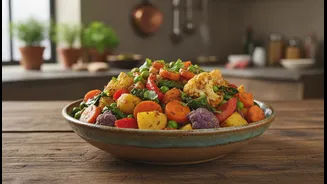
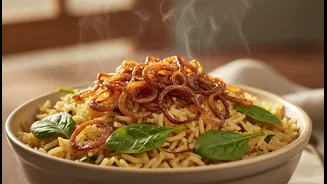
A dish can have perfect flavour but still feel boring if it's all one texture. Introducing contrast is a simple way to make food more satisfying. Think about adding a crunchy element to a soft dal, like some roasted peanuts, crispy fried onions, or even a simple papad on the side. Fresh, crisp vegetables in a rice bowl add a delightful bite. Even a garnish of fresh coriander or mint adds a different textural feel. These small additions require little effort but make a huge difference in the overall eating experience, preventing the monotony that can sometimes come with budget cooking.
Stretch and Repurpose: The Smart Kitchen
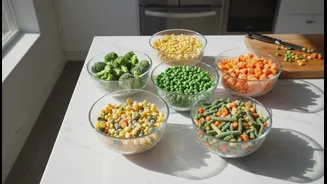
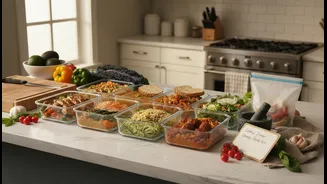
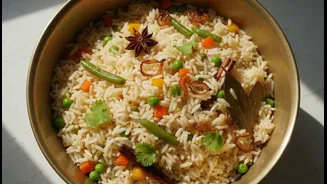
Making your ingredients work harder is a key skill for both budget and time management. Cook larger batches of staples like rice, boiled potatoes, or plain dal. One day, the boiled potatoes can be a simple jeera aloo. The next, they can be mashed and mixed with spices to become a filling for parathas or samosas. Leftover rice can be transformed into delicious lemon rice or a quick fried rice with whatever vegetables you have on hand. Thinking this way not only reduces food waste but also opens up a world of quick and varied meal options built from one initial cooking session.