

The Ancient Grain That’s New Again
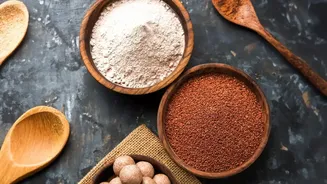
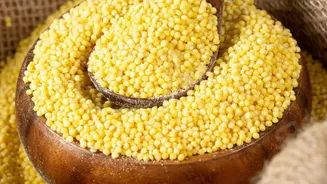
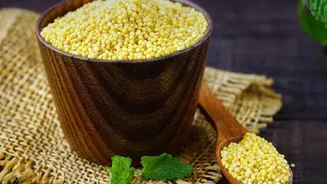
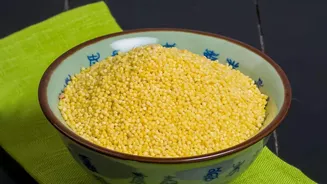
For thousands of years, millets like ragi (finger millet), jowar (sorghum), and bajra (pearl millet) were staples across India. These small-seeded grasses were the backbone of regional diets long before wheat and rice became dominant. Now, as we look
for more sustainable ways to eat, these humble grains are returning to the spotlight. Unlike refined all-purpose flour (maida), which is stripped of its nutrients, millet flours are typically whole grain, retaining their natural fibre, protein, and essential minerals like iron, magnesium, and calcium. This nutritional density is a core reason for their resurgence, offering a way to enrich our diets without sacrificing the joy of a good meal.
A Win for You and the Planet
The 'sustainable' tag for millets isn't just a buzzword; it's a fact rooted in their agricultural resilience. Millets are famously hardy crops that thrive in conditions where wheat and rice might struggle. They require significantly less water—some estimates suggest up to 60% less than rice—and can grow in arid climates and less fertile soil with minimal chemical inputs. This makes them an exceptionally climate-friendly choice in a world facing water scarcity and changing weather patterns. By choosing millets, we are not only opting for a nutrient-dense food but also supporting agricultural practices that reduce the strain on our natural resources, improve soil health, and lower greenhouse gas emissions.
A Culinary Tour of Millet Comforts
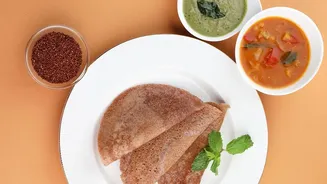
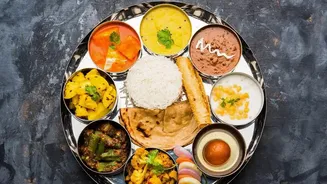
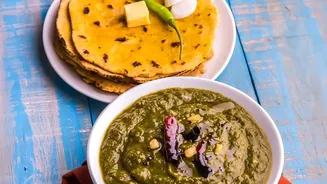
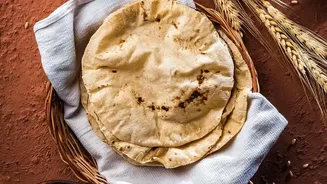
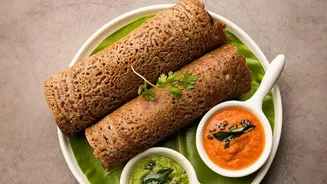
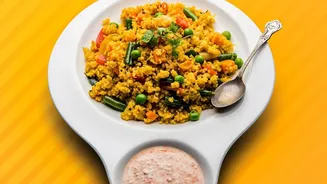
The best part about millets is that they are already the star of many beloved regional comfort foods. In Karnataka, Ragi Mudde—soft, pliable balls of finger millet flour—is a staple, often eaten with a flavourful sambar. The earthy flavour and dense texture provide a deep sense of satisfaction. In Rajasthan and Haryana, the winter chill is often met with a warm bowl of Bajre ki Khichdi, a rustic and warming porridge made from pearl millet and lentils, known for its ability to provide sustained energy. In the south, fermented batters for dosa are being reimagined with barnyard millet (kuthiraivali), resulting in crepes that are just as crisp and delicious but lighter on the stomach. From the foxtail millet (thinai) upma that offers a nutty, flavourful start to the day to jowar rotis that provide a wholesome alternative to wheat-based flatbreads, the options are diverse and deeply comforting.
Making the Switch in Your Kitchen
Incorporating millets into your daily cooking doesn't require a complete overhaul of your kitchen. It can start with simple swaps. When making rotis, try blending your regular wheat flour with some jowar or bajra flour. Millet flours are also excellent thickeners for soups and stews. Because they are gluten-free, they behave differently than wheat flour in baking. For recipes like cakes or cookies, it's often best to start by substituting about 20-25% of the refined flour with millet flour, or using a blend of different gluten-free flours to achieve the desired texture. Experimenting with traditional recipes like millet pancakes, dosas, or even a simple khichdi is an easy and delicious way to get acquainted with their unique, nutty flavours.