

The Dangerous Allure of a Viral Shot
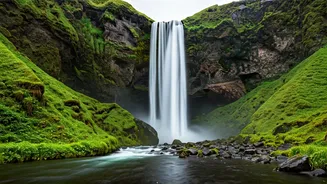
Every monsoon, social media feeds are flooded with breathtaking images of people posing by roaring waterfalls. The desire to capture these 'gram-worthy' moments is powerful, but it's leading tourists to take unprecedented risks. Recent incidents across
India serve as a grim reminder of this trend. In July 2024, a 26-year-old social media influencer died after falling into a 300-foot gorge while reportedly filming a video at Kumbhe waterfall in Maharashtra. This is not an isolated event. From Goa to Karnataka, authorities report a spike in accidents, many involving young people venturing into prohibited areas, underestimating the force of the water, or losing their footing on slippery rocks in pursuit of content. The spot where the influencer fell had become famous on social media for its stunning drone-like views, attracting many to the narrow, unsafe ridge.
Nature's Hidden Monsoon Dangers
A serene waterfall can transform into a deadly torrent in minutes. The primary dangers during the monsoon are often underestimated. Rocks that appear solid become treacherously slippery. Water levels can rise suddenly and without warning due to heavy rain upstream, a phenomenon known as a flash flood or 'gush'. These sudden surges can easily sweep people away. A tragic incident in Lonavala in June 2024 saw five members of a family, including four children, swept away by a sudden flood during a picnic. Furthermore, the pools at the base of waterfalls often conceal strong undercurrents, hidden rocks, and unexpected depths, making swimming extremely hazardous even for strong swimmers. Many drowning incidents occur because visitors are unaware of these hidden dangers.
When Authorities Say No, They Mean It
In response to the rising number of fatalities, authorities in several states have been forced to take drastic measures. The Goa government recently issued a 60-day prohibition on swimming, bathing, and diving at waterfalls and other water bodies, warning that violators could face FIRs. Similarly, after a drowning incident, officials in Pune issued strict safety guidelines, including the identification and demarcation of hazardous zones and the closure of especially dangerous spots. Despite these warnings, many tourists continue to flout the rules by entering prohibited areas. These restrictions are not meant to spoil the fun; they are put in place based on real-time risk assessments and tragic past events. Ignoring warning signs, barricades, and the advice of local guides is a gamble with your life.
Your Essential Waterfall Safety Guide
Enjoying the monsoon's beauty is possible, but safety must be the priority. Before you head out, and while you are there, keep these non-negotiable points in mind. First, always check the weather forecast. Avoid visiting waterfalls during or immediately after heavy rainfall, as the risk of flash floods is highest. Second, wear appropriate footwear. Sturdy, non-slip shoes with a good grip are essential for navigating wet and uneven terrain. Third, stay on designated paths and respect all barriers and warning signs. They are there for a reason. Do not venture onto slippery rocks or cliff edges for a better view or photo. Fourth, never enter the water unless it is a clearly marked, designated safe zone. Currents can be deceptive. Fifth, avoid consuming alcohol, as it impairs judgment and coordination, which is a recipe for disaster in such environments. Finally, always inform someone of your plans and estimated return time, and try to visit with a group.
Content vs. Caution: A Final Check
Before pulling out your phone to capture that reel, take a moment to assess your surroundings. Is the ground stable? Are you close to a ledge? Could the water level rise quickly? Ask yourself if the shot is worth the risk of becoming another headline. Often, the most stunning views are from a safe distance, where the full scale and power of the waterfall can be appreciated without danger. Local authorities have repeatedly urged tourists and content creators to prioritize safety over capturing a spectacular photo. The best travel content comes from a trip where everyone returns home safely, with memories that last a lifetime, not from a video that documents a tragedy.