

A Picture-Perfect Failure
In the world of human spaceflight, the most important test is often one that simulates a catastrophic failure. ISRO recently conducted a series of such tests, most notably for the Crew Escape System (CES). In a planned 'in-flight abort' demonstration,
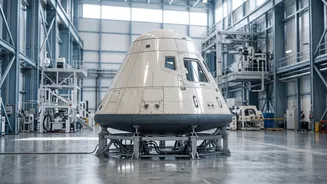
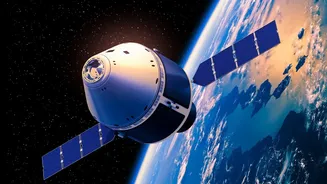
a test vehicle launched to an altitude of 17 kilometres, at which point the escape system was deliberately triggered. The CES, powered by quick-firing solid-fuel motors, flawlessly pulled the crew module away from the rocket, simulating a scenario where the launch vehicle veers off course or fails. The sequence continued with the deployment of parachutes, guiding the module to a gentle and safe splashdown in the Bay of Bengal, where it was recovered by the Indian Navy. This successful test proves that if the worst happens during launch, there is a viable 'eject button' for the astronauts.
Safety from Launch to Splashdown
The Crew Escape System is just one piece of a comprehensive safety puzzle. In recent months, ISRO has been systematically validating every phase of the mission. In July, engineers successfully tested the Crew Module Uprighting System (CMUS), a clever arrangement of gas-inflated balloons designed to flip the capsule upright if it lands upside down at sea. They also validated the systems that ensure the crew module cleanly separates from its service module before re-entry and that the structure can withstand the pyrotechnic force of the parachute cover being jettisoned. Another key trial, the Integrated Air Drop Test, saw a dummy crew module dropped from a helicopter to test the complex sequence of ten parachutes that will slow the real capsule's descent back to Earth. Each test is a deliberate step to mitigate risk and build confidence in the hardware that will protect human lives.
The Astronauts at the Heart of the Mission
These technological milestones are all in service of the human element of Gaganyaan. India's four astronaut-designates—all decorated Indian Air Force pilots—have already completed extensive generic training in Russia. They are now undergoing mission-specific training in Bengaluru, using advanced simulators to prepare for every aspect of their flight. This includes familiarising themselves with the crew module's layout, operating its systems, and rehearsing emergency procedures in both physical mock-ups and virtual reality environments. The training is rigorous, covering everything from normal flight operations to responding to off-nominal situations and performing emergency exits, ensuring the crew is as prepared as the hardware they will fly in.
The Road Ahead for Gaganyaan
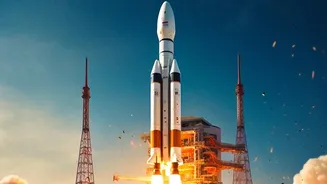
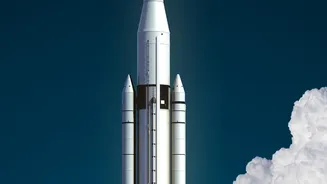
With these critical safety tests successfully completed, ISRO is moving methodically towards the next phases. The path to the first crewed flight involves a series of uncrewed missions to test the entire system in space. The first of these, Gaganyaan-1 (G-1), is planned to carry a humanoid robot named Vyommitra. Vyommitra will help collect data on the conditions inside the capsule, testing the life support systems and performance of the vehicle from launch to orbit and back. This and subsequent uncrewed flights will validate the performance of the human-rated LVM3 rocket, the orbital module, and re-entry procedures before any astronaut steps on board. While initial timelines have been adjusted to ensure complete safety and technological readiness, the first crewed launch is currently anticipated for 2027.