







They Break Down, Not Apart
The primary appeal of corn-based pet waste bags is their environmental promise. Unlike traditional plastic bags that can persist for hundreds of years, these alternatives are designed to biodegrade. Most are made from Polylactic Acid (PLA), a bioplastic
derived from fermented plant starch, typically from corn or maize. When disposed of correctly in an industrial composting facility, these bags can break down into water, CO2, and organic biomass in a matter of months, not centuries. This significantly reduces the long-term plastic pollution burden from daily walks. For pet owners, it transforms a moment of guilt—tossing a plastic bag in the bin—into a more responsible action.
Strength and Functionality Without Compromise
Early versions of eco-friendly products sometimes came with a trade-off in quality. That’s no longer the case. Modern corn starch bags are engineered for the realities of pet ownership. They are surprisingly durable, tear-resistant, and leak-proof, ensuring a hygienic and mess-free cleanup. Manufacturers have perfected the material to be thick enough to prevent unpleasant accidents while still retaining its biodegradable properties. This means pet owners don't have to choose between their environmental values and a practical, reliable product. The soft, silky texture is also a noticeable upgrade from thin, crinkly plastic bags, making the daily chore just a little more pleasant.
Made From a Renewable Resource
The conversation around sustainability isn't just about disposal; it's also about origin. Traditional plastics are derived from petroleum, a finite and polluting fossil fuel. Corn, on the other hand, is a renewable resource. By using agricultural products like maize to create these disposals, the industry shifts its reliance from fossil fuels to the agricultural cycle. This change supports a more circular economy. As India is one of the world's major producers of maize, there's also a potential for sourcing raw materials locally, further reducing the carbon footprint associated with transportation and supporting the agricultural sector.
It’s More Than Just Poop Bags
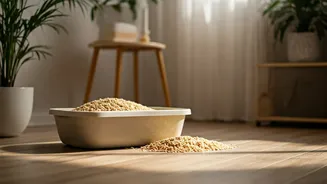
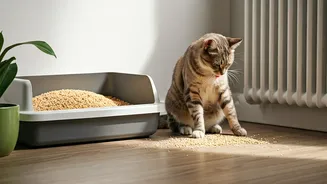
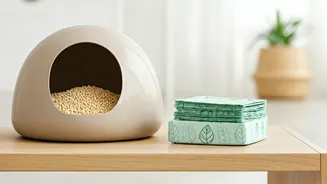
The innovation isn't limited to waste bags for dogs. The same technology is being applied to other pet necessities, particularly cat litter. Corn-based cat litter, often made from compressed corn cobs or kernels, is gaining immense popularity. It’s lightweight, highly absorbent, and offers excellent odour control. Crucially, it’s a biodegradable alternative to traditional clay-based litters, which are typically sourced through strip mining and are not biodegradable. This means cat owners, who deal with a significant volume of waste, now also have a powerful tool to drastically reduce their pet's environmental paw print.
Navigating the 'Green' Aisle Smartly
As the trend grows, so does the need for consumer awareness. Not all 'green' bags are created equal. Pet owners are learning to look for key certifications. A genuinely compostable product in India should ideally be certified by the Central Pollution Control Board (CPCB) or carry international certifications like ASTM D6400, which guarantees it will break down in a commercial composting facility. It's important to note the distinction: 'biodegradable' can be a vague term, but 'compostable' comes with stricter standards. Eco-conscious consumers love these products because they represent a clear, verifiable step towards sustainability, as long as they choose certified brands and dispose of them correctly where facilities exist.