



The Science of a Simple Breath
To understand how breathing helps, we need to look at our nervous system. It has two main parts: the sympathetic system ('fight or flight') and the parasympathetic system ('rest and digest'). When you're stressed or anxious, your breathing becomes fast
and shallow, activating the 'fight or flight' response. This floods your body with stress hormones like cortisol. Slow, rhythmic, and deep breathing does the opposite. It stimulates the vagus nerve, which activates your 'rest and digest' system. This simple action sends a powerful signal to your brain that you are safe, helping to lower your heart rate, reduce stress hormones, and calm your mind.
Your Brain on Deep Breathing
The headline claim about 'brain oxygenation' can be slightly misleading. It’s not simply about forcing more oxygen into your brain. Instead, controlled breathing techniques improve the efficiency of your entire respiratory and circulatory system. Deep, diaphragmatic breathing enhances oxygen delivery to all your tissues, including the brain, and helps regulate blood flow. More importantly, by calming the nervous system, it reduces the frantic mental activity and hyper-alertness that often accompanies anxiety and prevents sleep. The slow, deliberate nature of these exercises helps distract and focus the mind, interrupting cycles of worry and panic.
Technique 1: Box Breathing
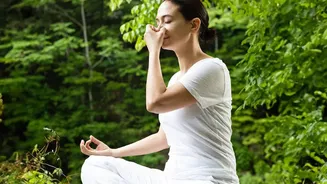
One of the most effective and easy-to-learn techniques is Box Breathing, also known as square breathing. It's used by everyone from Navy SEALs to yoga practitioners to maintain calm and focus under pressure. Here’s how you do it: 1. Sit upright in a comfortable chair or on the floor. Slowly exhale all the air from your lungs. 2. Inhale slowly through your nose to a count of four. 3. Hold your breath for a count of four. 4. Exhale slowly through your mouth for a count of four. 5. Hold your breath again for a count of four before beginning the next cycle. Repeating this simple, four-sided pattern helps regulate your autonomic nervous system and provides an immediate sense of calm.
Technique 2: The 4-7-8 Breath
Developed as a tool for relaxation, the 4-7-8 technique is particularly effective for those struggling to fall asleep. The extended exhale is key to activating the parasympathetic nervous system. To practice it: 1. Exhale completely through your mouth, making a 'whoosh' sound. 2. Close your mouth and inhale quietly through your nose for a count of four. 3. Hold your breath for a count of seven. 4. Exhale completely through your mouth, making that 'whoosh' sound again, for a count of eight. This completes one breath. Repeat the cycle three more times. The focused counting and extended exhale help to quiet a racing mind and prepare the body for rest.
Building a Calmer Life
The benefits of rhythmic breathing are cumulative. While a few deep breaths can provide immediate relief during a stressful moment, a consistent practice can lead to lasting changes. Studies have shown that regular breathwork can reduce overall anxiety, lower blood pressure, and significantly improve sleep quality over time. You don't need to dedicate hours to it. Start by practicing for just two to five minutes each day. Try it first thing in the morning to set a calm tone for your day, use it during a stressful afternoon, or make it part of your bedtime routine to signal to your body that it’s time to wind down. The key is consistency. By making this small change, you are actively communicating with your nervous system and training your body and mind to find calm from within.